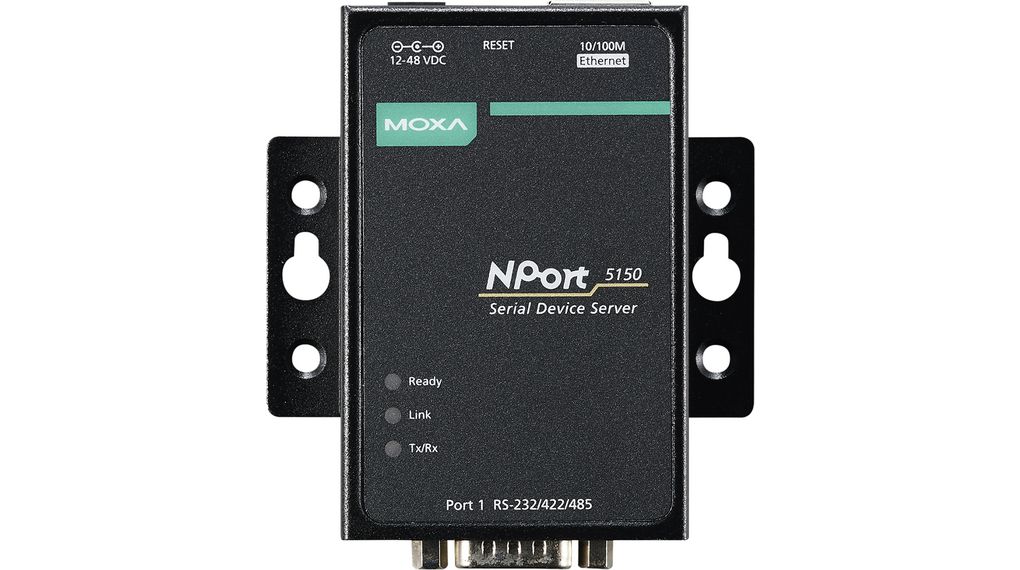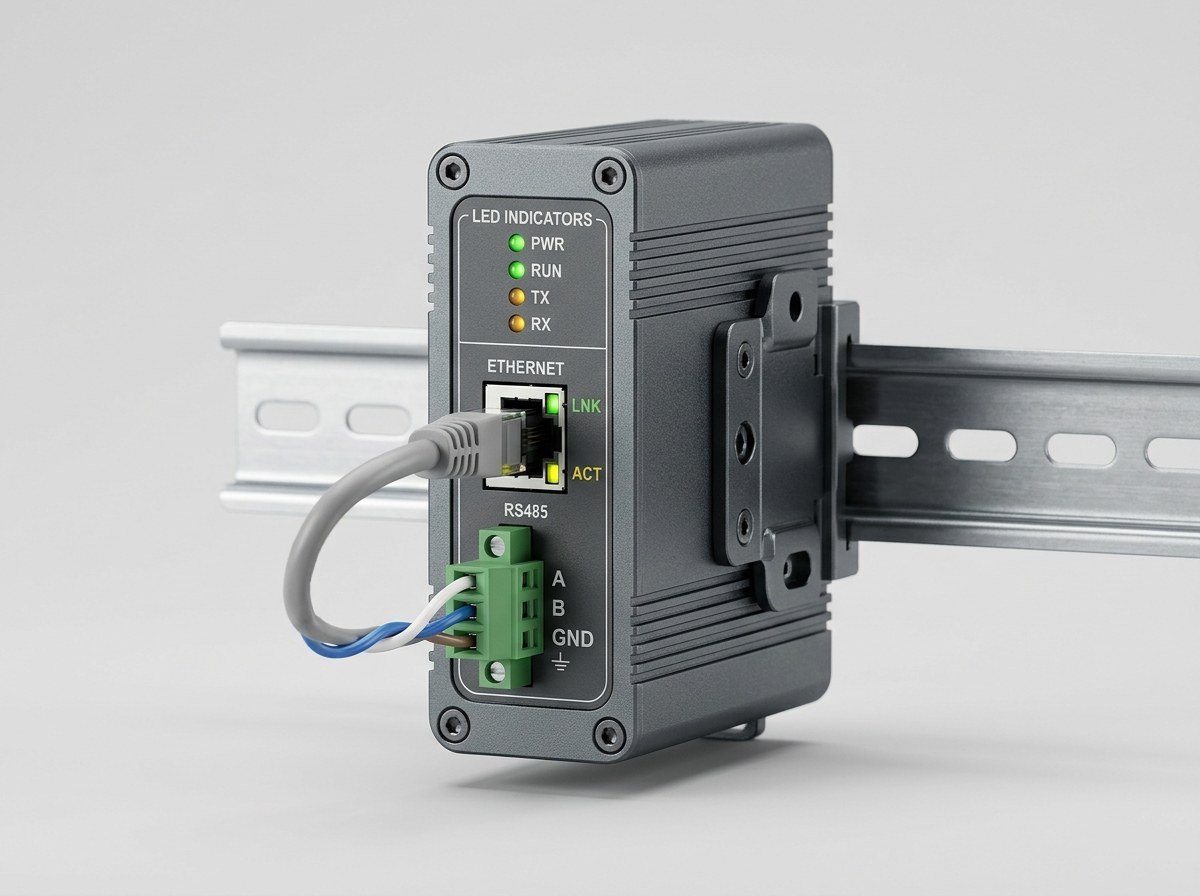
A Modbus RS485 Gateway is an industrial communications device that bridges serial Modbus RTU field devices (such as energy meters, VFD inverters, temperature controllers, and PLCs) with Ethernet computer networks running Modbus TCP, MQTT, or OPC UA protocols. In modern industrial facilities, gateways serve as the primary link enabling SCADA, MES, and cloud supervisory dashboards to extract actionable telemetry from distributed serial machinery without replacing legacy hardware.
When physical cable lengths are short, register maps are standard, and environmental noise is minimal, Commercial Off-The-Shelf (COTS) Modbus gateways offer rapid deployment. However, when facilities encounter multi-vendor register fragmentation, high-voltage electrical noise, harsh cabinet temperatures, or require local edge data buffering, engineering teams require customized firmware or bespoke Modbus RS485 gateway development.
This technical guide analyzes the physical distinctions between RS485, Modbus RTU, and Modbus TCP, details internal gateway data processing pipelines, provides a field audit checklist, and outlines DeviceLab's custom gateway engineering capabilities.
What is a Modbus RS485 Gateway?
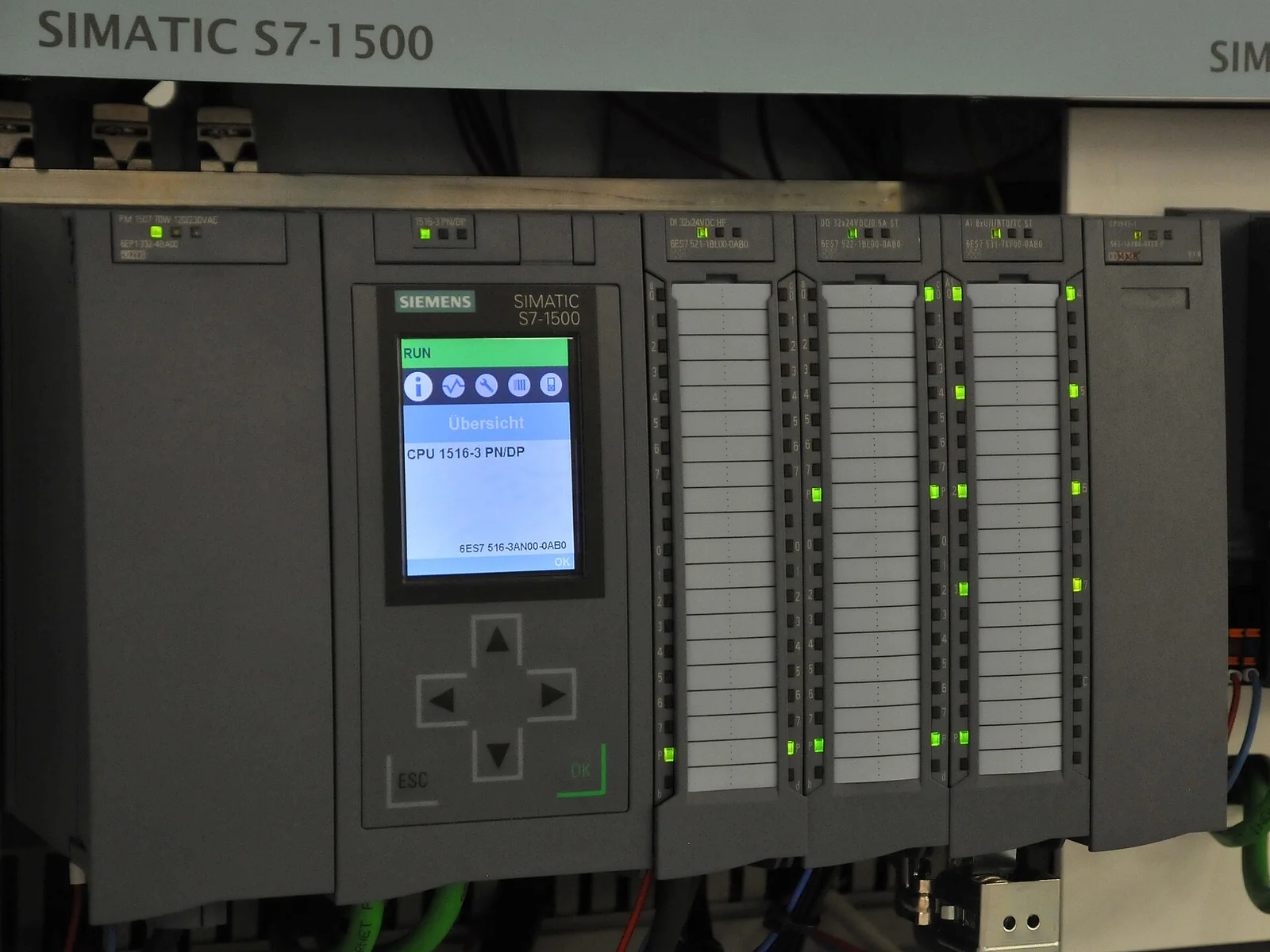
A Modbus RS485 Gateway translates serial Modbus RTU byte frames transmitted across two-wire differential RS485 cabling into Ethernet network packets (such as Modbus TCP, MQTT, or HTTP JSON).
The gateway performs three vital operations: cyclic polling of slave device registers over RS485, stripping transmission framing and verifying CRC checksums, and repackaging telemetry into network payloads routed across local LANs or dispatched to cloud servers.
The gateway serves as a protocol bridge—it does not replace the machine's PLC controller. It enables supervisory IT software to monitor operational metrics without interfering with real-time machine execution logic.
How Do RS485, Modbus RTU, and Modbus TCP Differ?
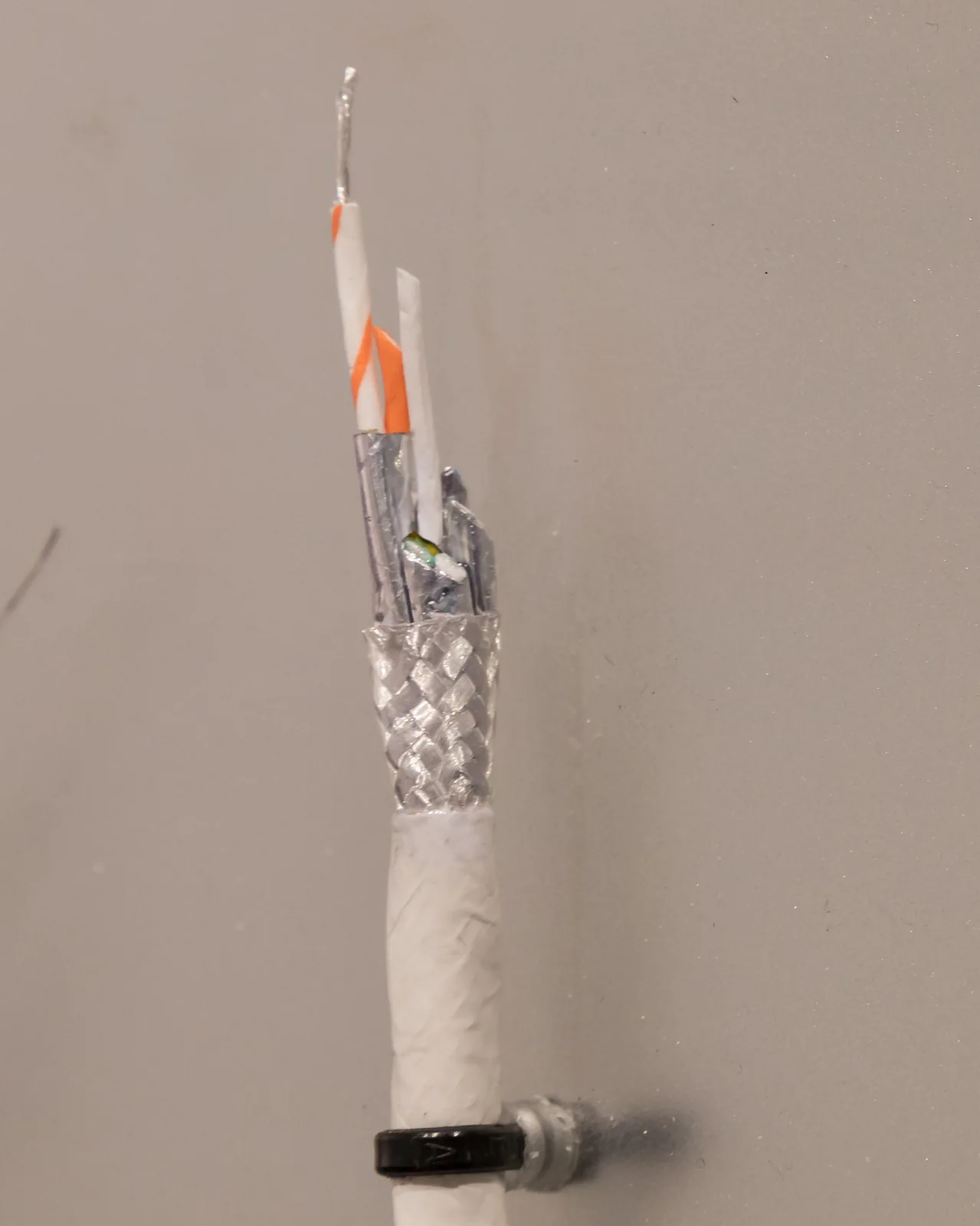
Engineers often confuse the electrical physical layer with application protocols. Clarifying these layers is fundamental to troubleshooting communication failures:
| Layer / Component | Engineering Role | Physical / Logical Example |
|---|---|---|
| RS485 | Physical layer electrical standard (OSI Layer 1) | Two-wire differential voltage ($V_A - V_B$), shielded twisted-pair cabling |
| Modbus RTU | Serial data-link protocol standard (OSI Layer 2/7) | Binary frames containing Slave ID, Function Code, Register Data, and 16-bit CRC |
| Ethernet | Physical and data-link network standard | Cat5e/Cat6 copper cabling, RJ45 ports, Layer 2 network switches |
| Modbus TCP | Network application protocol | Modbus payload wrapped inside TCP/IP headers (Port 502) without CRC |
| Modbus Gateway | Protocol conversion & data conditioning bridge | Translates Modbus RTU serial packets to Modbus TCP or MQTT data streams |
Modbus RTU: Master and Slave
Modbus RTU operates on a strict Master/Slave architecture. Only the Master (the Gateway) can initiate communication requests. Up to 31 slave devices (power meters, VFDs, sensors) listen passively on the bus and respond only when their unique Slave ID is addressed.
Modbus TCP: Client and Server
In Modbus TCP over Ethernet, the architecture uses Client/Server terminology. Supervisory software (SCADA, MES) acts as the Modbus Client, initiating TCP connections to the Gateway, which acts as the Modbus Server responding with requested register values.
How Does a Modbus Gateway Operate?
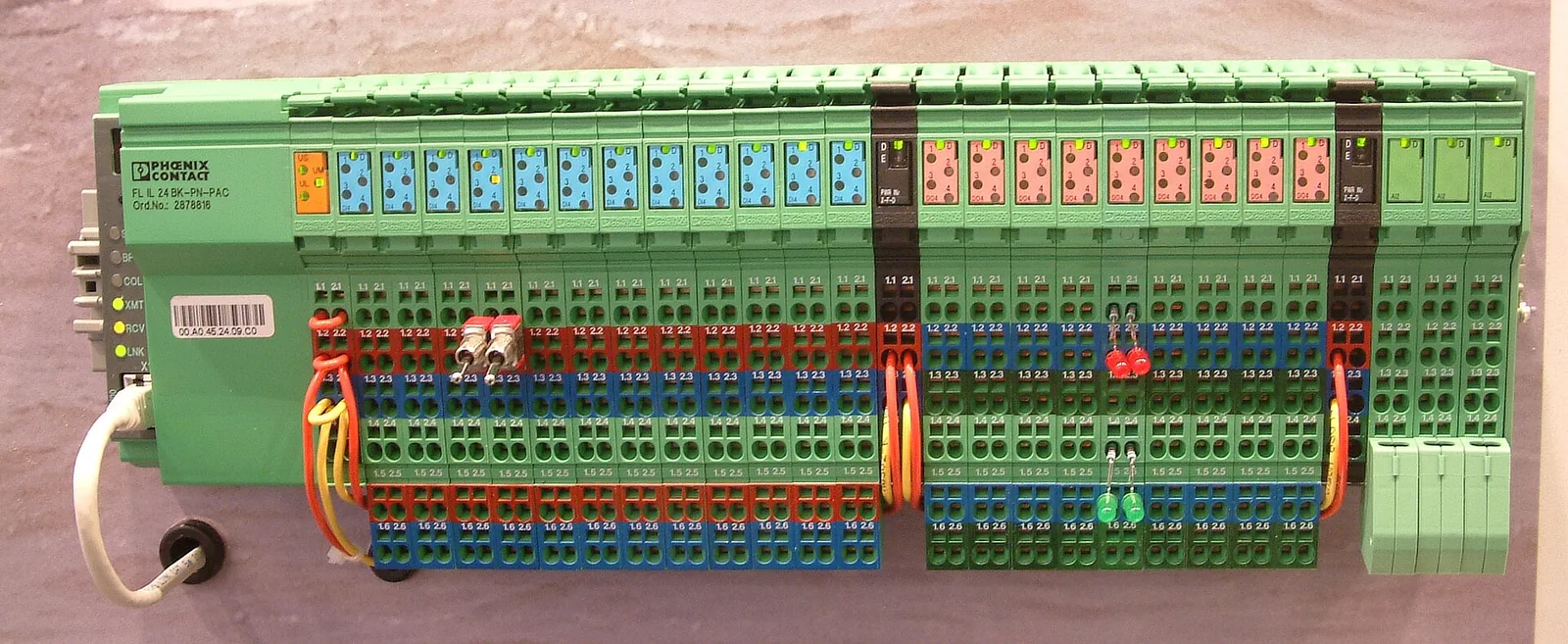
An intelligent gateway executes a continuous, disciplined data cycle:
1. Data Acquisition (Polling)
The gateway sequentially polls configured slave devices across the RS485 serial bus, requesting blocks of Holding Registers (Function Code 03) or Input Registers (Function Code 04) at programmed scan intervals (e.g., 500ms to 5 seconds).
2. Edge Data Processing & Conditioning
Upon receiving binary responses, the gateway validates 16-bit CRC checksums. It can execute edge scaling (multiplying raw integers by engineering factors), calculate floating-point metrics, and filter deadbands so that only changed values are processed.
3. Upstream Transmission & Buffering
Conditioned telemetry is converted into Modbus TCP packets for local SCADA systems or packed into JSON/Protocol Buffers for MQTT transmission to cloud brokers. If the network drops, data is automatically buffered in onboard non-volatile Flash.
When is a COTS Modbus Gateway Sufficient?
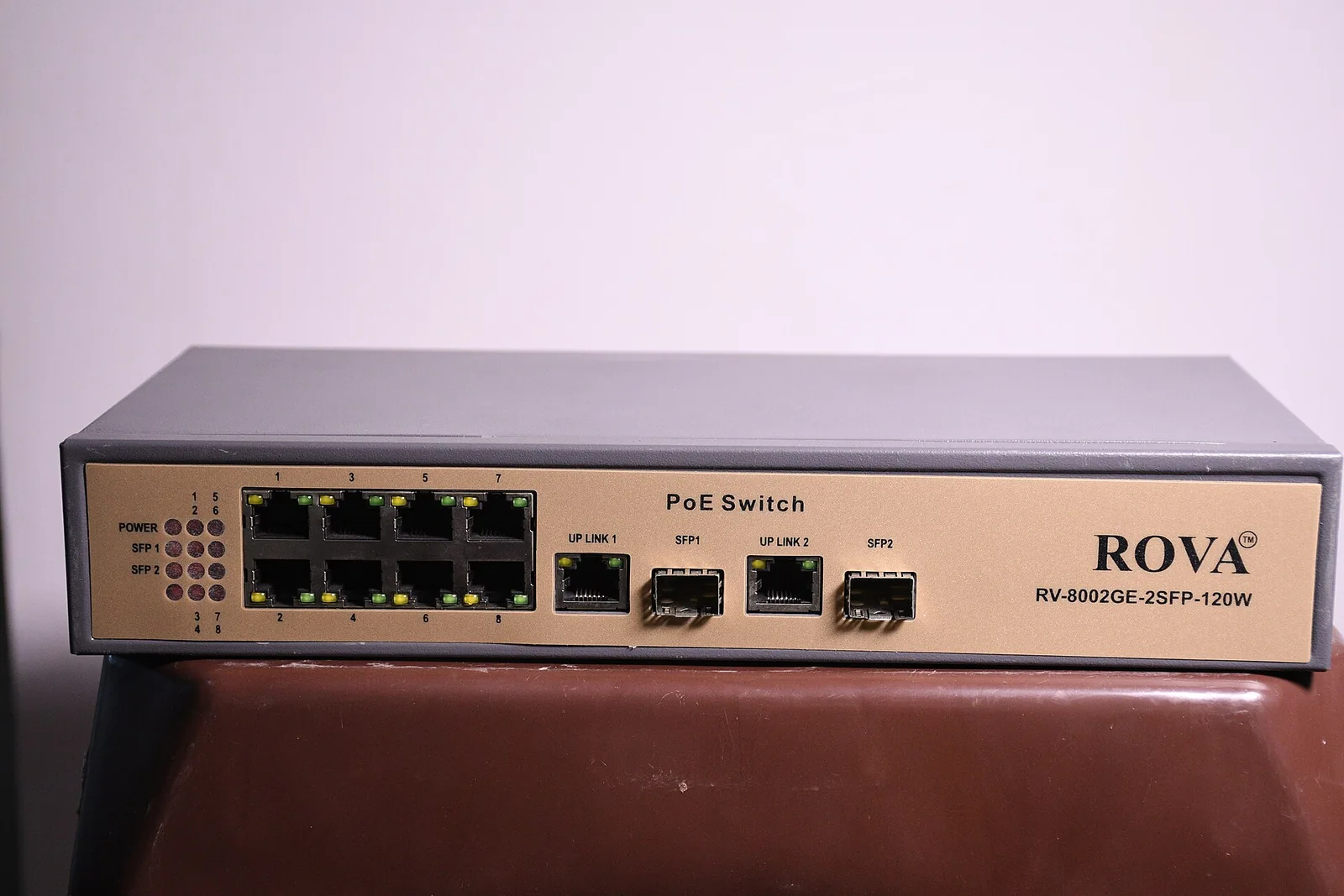
Commercial catalog gateways are ideal when:
- Connecting a few standard power meters or digital controllers over short cable distances.
- Supervisory software natively supports Modbus TCP polling over Ethernet.
- Electrical control cabinets have clean power and negligible electromagnetic noise.
- Deployment timelines require equipment running within 24–48 hours.
Proof of Concept (PoC) Objectives for Modbus Gateways
A PoC trial should confirm: physical RS485 communication stability, verified register mapping addresses, baud rate compatibility, and data ingestion reliability into backend dashboards.
When is a Custom Modbus RS485 Gateway Required?

Custom engineering is required when standard gateways fail to meet operational demands:
Category 1: Protocol Complexities
Non-standard serial protocols, unusual baud rates, non-standard byte orders (Big-Endian vs. Little-Endian Word Swapped), or legacy machines that require complex initialization command sequences.
Category 2: Hardware Architecture
Demands for multiple independent, galvanically isolated RS485 ports (preventing a single damaged line from halting all communication), integrated digital I/O for machine status detection, or wide-input DC power supplies (9–36VDC).
Category 3: Embedded Firmware Logic
Requirements for autonomous edge control, local data logging during network outages, automatic reconnection algorithms, or native conversion into custom MQTT JSON/Protobuf formats.
Category 4: Mechanical & Environmental Resilience
Harsh ambient cabinet heat (>60°C), heavy mechanical vibration, severe electrical fast transients (EFT) from adjacent VFDs, or ultra-compact DIN-rail footprint constraints.
Category 5: Commercial Product Scalability
When mass-producing or exporting commercial equipment, integrating custom OEM gateway hardware slashes unit manufacturing costs compared to buying expensive catalog brands.
Pre-Deployment Field Survey Checklist

Audit these technical parameters prior to finalizing gateway hardware:
- Serial Parameters: Baud rate (9600, 19200, 115200 bps), data bits (8), parity (None, Even, Odd), and stop bits (1 or 2).
- Physical Cabling: Verify shielded twisted-pair (STP) cabling, daisy-chain topology, and the installation of $120Omega$ termination resistors.
- Electrical Grounding: Ensure the cable shield is grounded at one point only to prevent ground loop damage.
- Upstream Network: Ethernet LAN availability, corporate firewall ports (Port 502 for Modbus TCP, Port 8883 for MQTTS), or 4G LTE signal strength.
Why the Register Map is Mission-Critical
A Modbus Register Map is the Rosetta Stone of serial integration. It defines: register numbers (e.g., 40001), variable names, data types (INT16, UINT32, Float32), byte endianness, and multiplier scaling factors. Sourcing the vendor register map before commissioning prevents weeks of guessing registers.
Modbus Gateway Architecture in Industrial IoT Systems

A resilient plant architecture segregates field communication buses from corporate IT networks:
[Supervisory SCADA / MES / Management Cloud]
                     │ (Ethernet / Modbus TCP / MQTT)
[DeviceLab Industrial Modbus Gateway]
 ┌───────────────────┴───────────────────┐
 ▼ (Isolated RS485 Port 1)               ▼ (Isolated RS485 Port 2)
[Power Meter 1] ──→ [Power Meter 2]     [VFD Inverter 1] ──→ [VFD Inverter 2]
(Slave ID: 1)       (Slave ID: 2)       (Slave ID: 10)       (Slave ID: 11)
PoC & Deployment Roadmap

Follow a structured 4-phase engineering progression: 1. Benchtop testing: verifying gateway communication with a single slave device using diagnostic software (Modscan/QModMaster). 2. Field PoC: installing the gateway in an operational cabinet to validate noise immunity during active machine cycles. 3. Multi-drop integration: daisy-chaining all field devices and optimizing scan cycles to prevent timeout errors. 4. Final commissioning: configuring SCADA dashboards and establishing automated alerting rules.
What Determines Development Costs?
Custom Modbus gateway development costs are governed by: number of isolated serial ports, onboard cellular modem integration, custom protocol parsing complexity, and required environmental ratings.
When is a Standalone Gateway Insufficient?
When physical wiring violations exist on the factory floor: star topologies, missing termination resistors, or unshielded cables routed in parallel with 380VAC motor leads. A gateway cannot correct corrupted physical signals.
Custom Modbus RS485 Gateway Development at DeviceLab
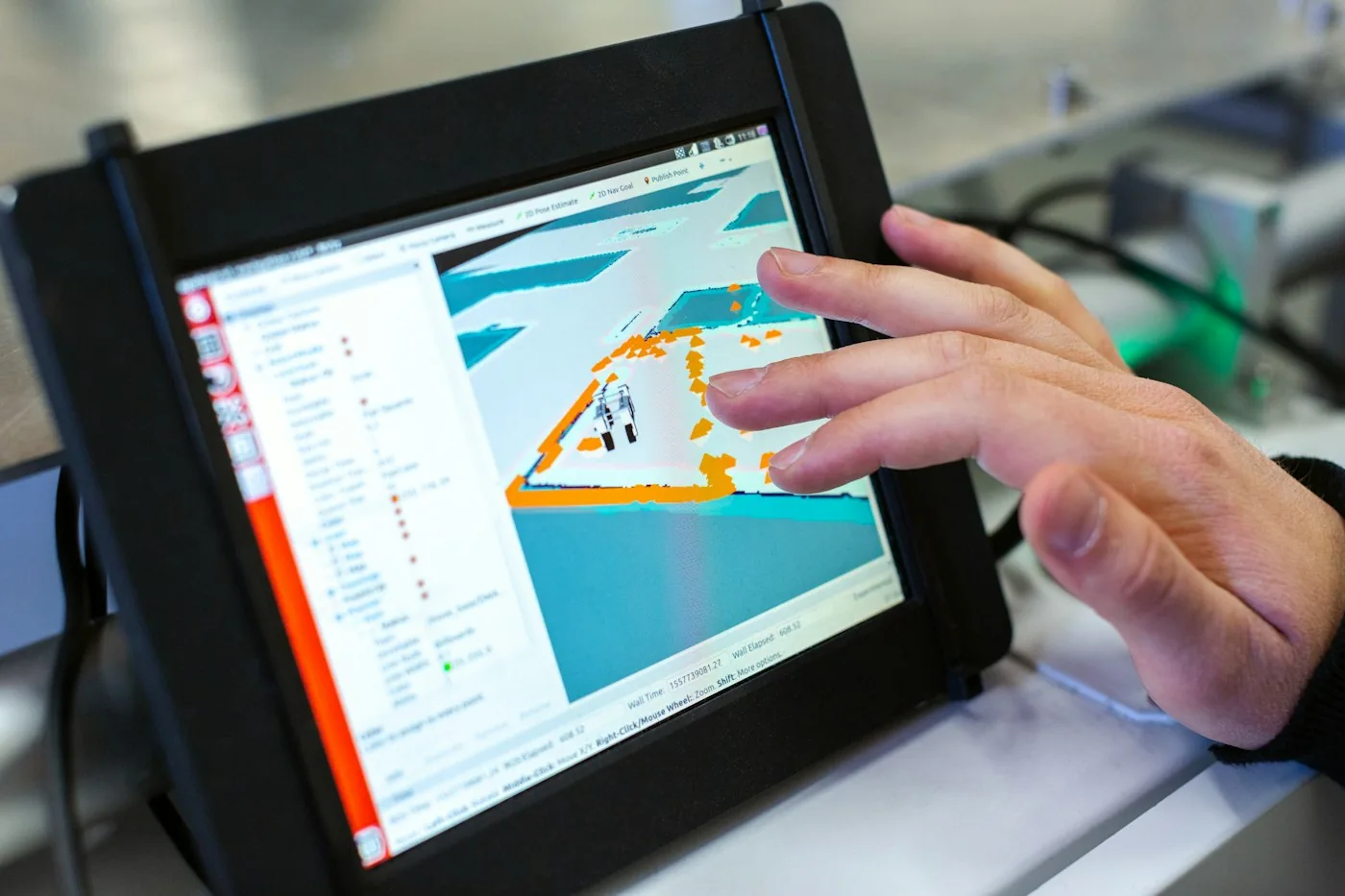
DeviceLab provides end-to-end design and manufacturing of custom industrial communication hardware: * Galvanic Isolation: 2.5kVrms optical isolation on all RS485 ports to permanently prevent ground loops and surge damage. * Proprietary Firmware Engines: Modular firmware handling non-standard protocols, local Flash buffering, and dual-bank FOTA updates. * Full OEM Manufacturing: SMT fabrication, custom DIN-rail enclosures, and turnkey functional circuit testing.
What to Prepare Before Inquiring
Please provide: 1. List of field devices, quantities, and model numbers. 2. Device manufacturer Register Maps (if available). 3. Preferred upstream communications protocol (Modbus TCP, MQTT, OPC UA). 4. Physical cabinet constraints and operating environment conditions.
Frequently Asked Questions (FAQ)
Gateway Modbus RS485 là gì?
An industrial communications bridge that converts serial Modbus RTU telemetry transmitted across RS485 differential wiring into Ethernet network protocols such as Modbus TCP, MQTT, or HTTP REST.
RS485 có phải Modbus không?
No. RS485 is the physical hardware layer (cabling and electrical voltage levels). Modbus is the software communication protocol (data structure and byte commands) transmitted across that physical layer.
Modbus RTU khác Modbus TCP thế nào?
Modbus RTU transmits binary frames with 16-bit CRC checksums across serial buses. Modbus TCP wraps the Modbus application data unit inside TCP/IP network packets over Ethernet without CRC (as TCP handles error checking).
Gateway Modbus dùng để làm gì?
To enable modern IT software, SCADA systems, and cloud management dashboards to monitor and extract telemetry from existing serial machinery without replacing legacy hardware.
Gateway Modbus có kết nối PLC được không?
Yes. Gateways connect directly to serial communication ports on PLCs (Siemens, Mitsubishi, Omron, Delta) to read internal data registers.
Gateway Modbus có đọc được đồng hồ điện không?
Yes. Digital power meters commonly utilize Modbus RTU over RS485, making gateways the standard solution for energy management systems.
Cần tài liệu gì để cấu hình Gateway Modbus?
The device manufacturer's Modbus Register Map, specifying register addresses, function codes, data formats, and engineering scaling factors.
Register Map là gì?
A reference table defining where specific telemetry points (voltage, current, temperature) are stored in device memory and how to decode them.
Khi nào nên dùng Gateway Modbus COTS?
When connecting standard devices in small quantities within clean electrical environments under tight delivery timelines.
Khi nào cần Gateway Modbus tùy biến?
When facing multi-vendor register fragmentation, non-standard protocols, high electrical noise requiring isolated ports, or mass production OEM cost requirements.
Có thể dùng Gateway COTS để PoC trước không?
Yes, validating telemetry value with COTS before developing custom hardware is an excellent engineering strategy.
Có thể phát triển Gateway RS485 theo yêu cầu không?
Yes. DeviceLab specializes in designing custom multi-port RS485 gateways tailored to client functional and commercial specifications.
Gateway Modbus có thay thế PLC không?
No. A gateway extracts and bridges operational data; it does not replace the real-time machine logic executed by the PLC.
Conclusion
A reliable Modbus RS485 gateway modernizes legacy factory machinery without disruptive equipment replacement.
Ensure successful integration by auditing baud rates, physical cabling, and register maps before commissioning.
Consult with DeviceLab on Custom Modbus RS485 Gateway Engineering →
Engineering Guides & Satellite Articles Directory in Industrial Gateways & RS485 / Modbus Protocol
Complete technical documentation, wiring schematics, and field implementation guides in this cluster:
- Top 5 Best Industrial RS485 to Ethernet Converters in 2026
- RS485 to Ethernet Converter Price Guide 2026: Cost Breakdown & Project Estimation
- Commercial vs. Industrial RS485 Converters: Hard-Learned Engineering Lessons
- Din Rail RS485 to Ethernet Converter: Industrial Cabinet Installation Standards
- RS485 Converter Specification Guide for M&E Tenders & Building BMS (2026)
- IoT Gateway Selection Criteria for M&E Bidding Specifications
- COTS Gateways (Moxa, USR, 3Onedata) vs. Custom Project Gateways
- Review of Moxa NPort 5150, USR-TCP232-410s & 3.0kV Optically Isolated Replacement Solutions for Industrial Control Panels
- How to Configure an RS485 to Ethernet Converter via Web GUI: Step-by-Step Guide
- RS485 to Ethernet PLC Wiring Diagram: Siemens, Mitsubishi, Schneider
- Virtual COM Port Setup for RS485 Ethernet: Complete Guide for Legacy SCADA
- Transparent Transmission vs Modbus Gateway RS485: Architectural Comparison
- RS485 Maximum Cable Distance & Extension Solutions: 2026 Standards
- RS485 Noise Suppression: Optical Isolation & Industrial Grounding Architecture
- RS485 in Industrial IoT: Retrofitting Legacy Machinery & Noise Immunity Guide
- Modbus to MQTT Gateway: Bridging Industrial Electrical Panels to Cloud IoT with Real-Time Latency & TLS Security
- Industrial 4G Cellular Gateway: Hardware Engineering Standards for 24/7 Wireless Control Cabinets
- MQTT Protocol for IoT: Device Connectivity, QoS & Production Broker Architecture
- Industrial Modbus TCP: Network Architecture, MBAP Frame & Field Implementation
- Buffered RS485 to Ethernet Converter: Store-and-Forward Zero Data Loss
- PLC Data Acquisition for Mitsubishi, Siemens, and Delta via Modbus: Register Mapping & Field Wiring Guide
- Complete Guide to Reading VFD Inverter Data (INVT, Delta, Yaskawa, ABB) via RS485 Modbus RTU to Cloud & SCADA
- Connect Digital Power Meters via RS485 to Ethernet for Factory EMS Monitoring
- Connect RS485 Temperature & Humidity Sensors to SCADA via Ethernet