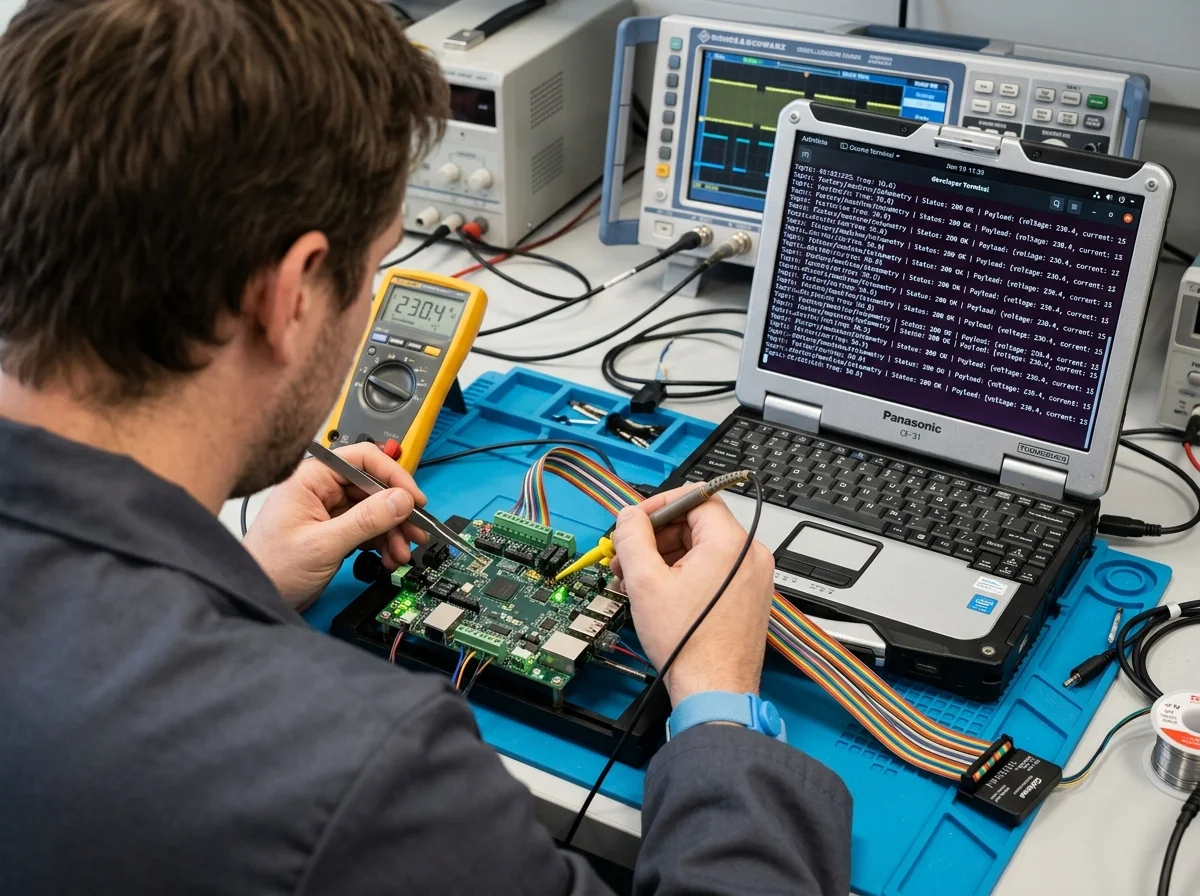
An Industrial 4G Cellular Gateway (Industrial Cellular IoT Gateway / 4G RTU) is a ruggedized wireless edge device engineered to connect automated control systems, electrical distribution panels, and field instrumentation to the internet via 4G LTE cellular networks. It satisfies rigorous requirements for electromagnetic compatibility (EMC/ESD), wide operating temperature tolerances (-20°C to +70°C), and continuous 24/7/365 autonomous self-recovery without requiring manual human reset interventions.
This technical guide is part of DeviceLab's comprehensive engineering handbook on industrial Modbus RS485 gateway.
📌 5 Golden Hardware Standards for Industrial 4G Gateways:
- EMC/ESD Immunity: Certified to IEC 61000-4-2 (Electrostatic Discharge ±6kV Contact / ±8kV Air) and IEC 61000-4-5 (Surge Immunity 4kV Common Mode).
- Independent Hardware Supervisory Watchdog: Decoupled from the MCU firmware kernel. If the cellular modem freezes during AT command exchanges or hangs for over 3 minutes, the supervisory IC cuts modem supply power to initiate a complete cold restart.
- Dual-SIM Failover Redundancy: Dual SIM trays accommodating two distinct telecom carriers (e.g., Viettel and VinaPhone), autonomously falling back within 30 seconds upon primary carrier signal degradation.
- Wide Supply Voltage with Reverse Polarity Protection: 9V to 36V DC wide input range, resilient against automotive generator cranking transients and battery bank voltage sags.
- Fanless Anodized DIN-Rail Aluminum Housing: 100% sealed against conductive dust, chemical fumes, and airborne humidity that corrode exposed circuit boards.
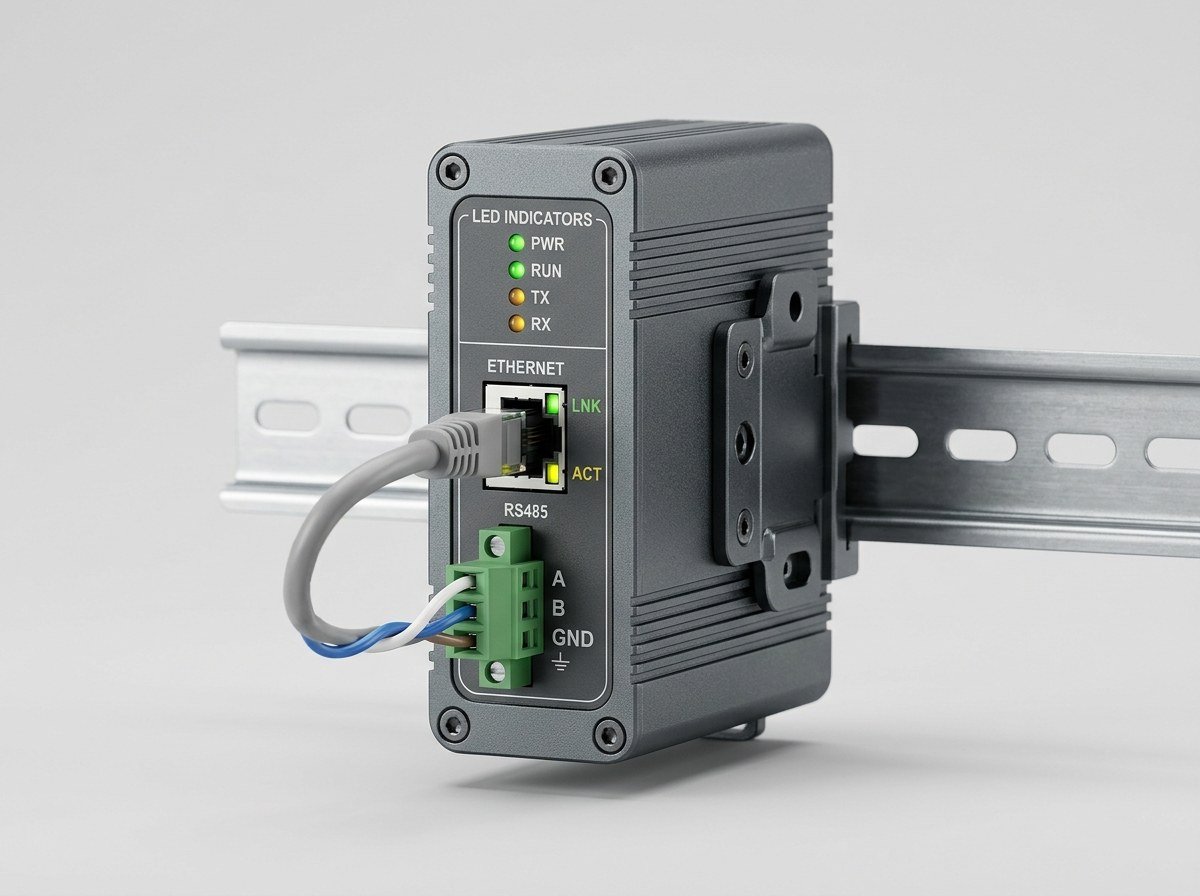
Commercial Consumer 4G Routers vs. Industrial-Grade Gateways
A frequent pitfall for electrical installers in early IoT projects is deploying low-cost commercial Wi-Fi/4G routers (consumer devices costing under $50) inside factory control panels. Within 2 to 3 months of field operation, high enclosure temperatures and electrical transients cause these devices to freeze, requiring technicians to repeatedly make emergency trips to manually pull the power plug.
The following engineering comparison highlights why harsh industrial environments mandate dedicated hardware:
| Technical Characteristic | Commercial Consumer 4G Router | DeviceLab DL-GW200 Industrial Gateway |
|---|---|---|
| Operating Temperature | 0°C to +40°C (Thermal throttling and crashes when cabinet hits 55°C) | -20°C to +70°C (All components certified industrial-grade) |
| Surge Transient Tolerance | Zero or basic protection (<500V); destroyed by inductive transients | Compliant with IEC 61000-4-5 (4kV Common Mode surge immunity) |
| Autonomous Watchdog Reset | Software-only watchdog; freezes permanently if core MCU locks up | Independent hardware supervisory IC physically cycles power rails |
| Enclosure & Mounting | Flimsy plastic shell, desktop feet or makeshift double-sided tape | Anodized aluminum alloy housing with integrated 35mm DIN-rail mount |
| Mean Time Between Failures (MTBF) | 1 - 2 years in air-conditioned office settings | > 100,000 continuous hours (> 10 years) under industrial vibration |

3 Hardware Protection Mechanisms Preventing Field Freezes
1. Hardware Supervisory IC & Power Cycling
When cellular modems transmit at full burst power (reaching up to 2W during GSM/LTE transmission bursts), instantaneous current demand can spike to 2A for several milliseconds. Poorly regulated power stages suffer voltage dips, plunging the central processor into an unstable brownout state. The DL-GW200 combines solid-state tantalum capacitors with an independent hardware voltage supervisor. If the central MCU fails to pulse an external heartbeat pin within 30 seconds, the supervisor cuts power for 3 seconds, restoring clean, reliable operation.
2. Dual-SIM Failover & Layer-7 Connectivity Probing
Standard consumer devices simply verify connectivity to the local cellular tower. However, field units frequently experience situations where signal bars appear full, but the carrier backhaul network is severed or the data balance is exhausted. The DL-GW200 executes periodic Layer-7 health checks (pinging 8.8.8.8 or performing active DNS lookups). If 3 consecutive probes fail, the gateway automatically switches to the secondary backup SIM within 20 seconds.
3. Industrial Flash Memory with LittleFS Wear-Leveling
During localized cellular blackouts (such as typhoon infrastructure outages or cell tower maintenance), telemetry must never be discarded. An onboard 16MB SPI Flash running the power-safe LittleFS file system buffers upwards of 100,000 Modbus/MQTT records. When carrier connectivity returns, the gateway chronologically backfills all stored records to the cloud server.
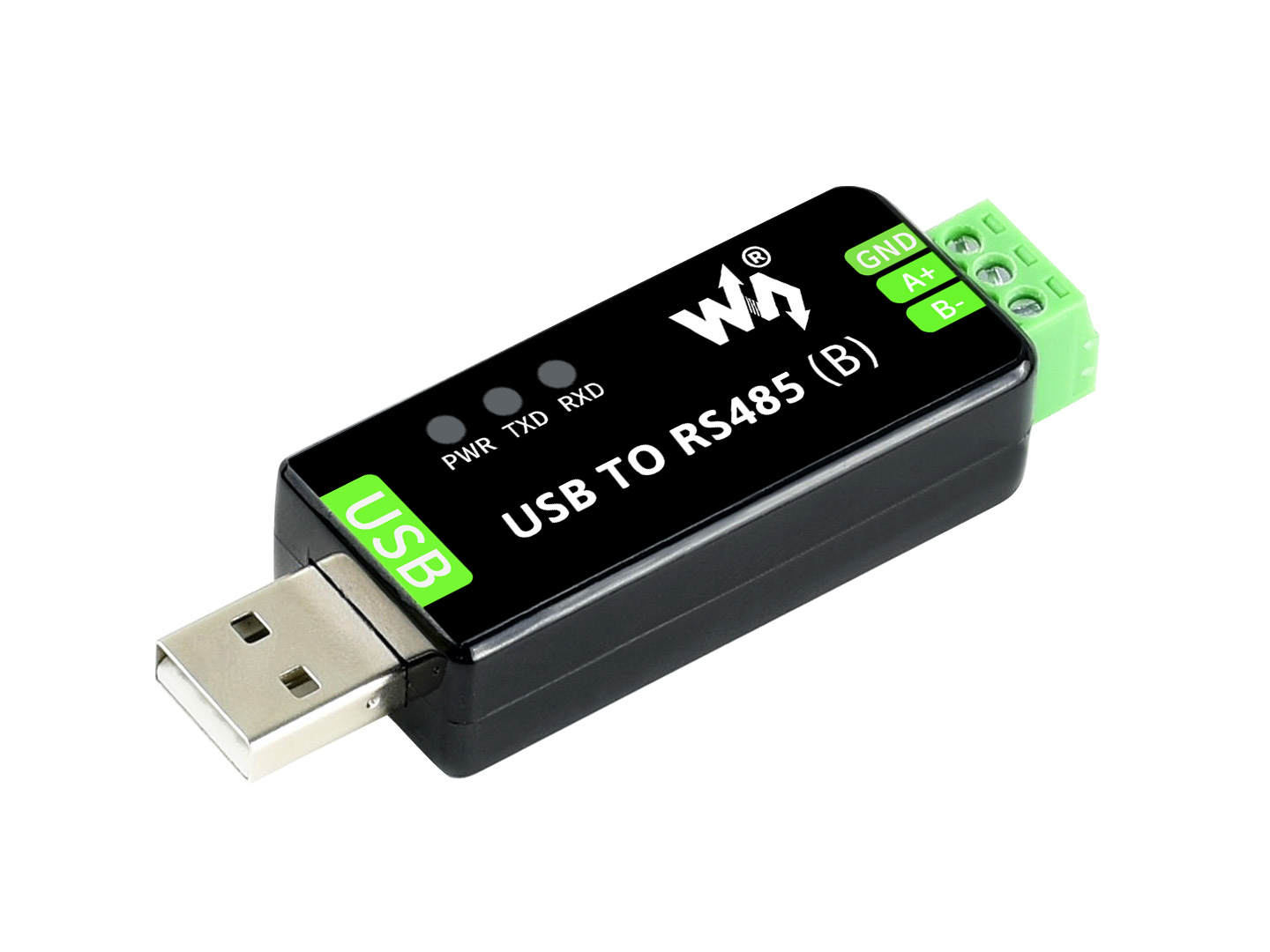
DeviceLab DL-GW200 Industrial 4G Cellular Gateway
Engineered for uncompromising industrial reliability: 4kV surge suppression, 2.5kV optical isolation, independent hardware watchdog, and dual-SIM failover. The optimal solution for pumping stations, distribution boards, and remote machinery telemetry.
Technical Helpline: (+84) 982.503.355