Industrial compressed air systems are universally regarded as the "4th utility" in manufacturing plants (alongside electricity, water, and steam), yet they represent the most inefficient energy vector: between 70% and 80% of consumed electrical energy is lost as radiant heat, with merely 10% to 15% converting into usable pneumatic energy. Deploying real-time IoT remote air compressor monitoring empowers plant leadership to instantly identify concealed pneumatic pipeline leaks, eliminate wasteful unloaded running hours, and slash monthly electrical utility expenses by 20% to 30%.
This technical guide is part of DeviceLab's comprehensive engineering handbook on industrial IoT for machinery and equipment.
📌 Core Benefits of IoT Compressor Monitoring (Key Takeaways):
- Eliminating Unloaded Energy Waste: Rotary screw compressors continue drawing 30% to 40% of their full-load rated power while idling in Unload mode. The IoT supervisory platform provides automated shutdown sequencing and smart multi-compressor sequencing rules.
- Concealed Pneumatic Leak Detection: Integrated Night Pressure Decay algorithms automatically compute total pneumatic volume losses and calculate daily financial loss figures during plant shutdown hours.
- Early Warning for Oil Overheating: Continuously monitors Airend discharge temperatures, triggering alerts before lubricating oil undergoes thermal varnish degradation that seizes expensive screw rotors (preventing overhauls costing tens of thousands of dollars).
- Predictive Maintenance Scheduling: Tracks differential pressure drops (ΔP) across oil-gas separators and air intake filters to schedule filter replacements precisely when needed, preventing motor overloads.
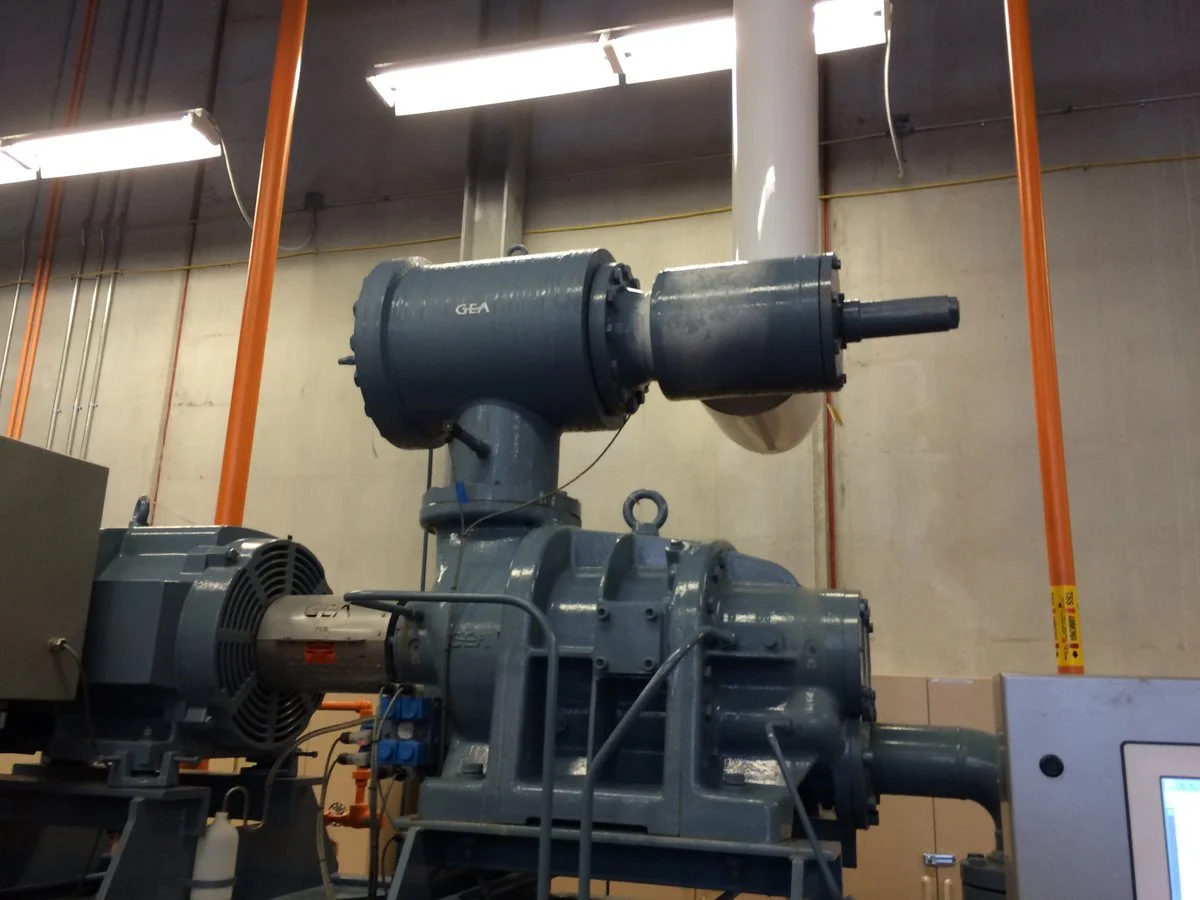
The 3 Primary "Energy Bleeds" in Industrial Compressor Rooms
1.1. Extensive Distribution Piping Air Leaks
In a mid-sized machining or textile apparel facility (operating two 75kW rotary screw compressors), miniature fissures at push-in fittings, failed automatic condensate drain traps, and leaking pneumatic blowguns routinely bleed off 20% to 30% of total generated airflow capacity. Because compressed air is colorless, odorless, and non-toxic, these pneumatic leaks often remain neglected for years, squandering substantial sums in utility charges annually.
1.2. Operating at Unnecessarily Elevated Discharge Pressure
Under thermodynamic gas compression laws, every 1 bar (14.5 psi) increase in discharge line pressure incurs an extra ~7% penalty in electrical energy consumption. Plant operators lacking continuous pressure telemetry at end-of-line machines typically set central compressor room pressure setpoints up to 8.5 - 9.0 bar "to be safe," even when pneumatic tooling only requires 6.0 bar. IoT telemetry identifies localized pressure drops, enabling operators to trim discharge pressure to 6.8 - 7.0 bar, saving 10% to 14% in electricity immediately.
1.3. Chronic Unloaded Idling due to Lack of Master Sequencing Control
When an installation operates a bank of 3 to 4 compressors, allowing each machine to modulate its load/unload cycles independently results in multiple units idling simultaneously during partial production shifts, consuming tens of kilowatt-hours needlessly.
End-to-End IoT Compressor Telemetry Architecture
| COMPRESSOR TELEMETRY ARCHITECTURE VIA DL-M400 |
+-----------------------------------------------------------------------------------+
| [0-16 bar Pressure Transducer (4-20mA)] ---> Measures Receiver & Header Pressure
| [Split-Core Current Transformers (CT)] ---> Measures 3-Phase Main Motor Current
| [RTD PT100 Temperature Sensors] ---> Measures Airend Discharge Temperature
| [Compressor PLC Modbus RS485 Interface] ---> Reads Internal Alarms, Hours, & State
| |
| v
| +-------------------------------------------------------+
| | DL-M400 EDGE COMPUTING TELEMETRY MODULE |
| | - Calculates real-time kW and cumulative kWh |
| | - Classifies states: LOAD / UNLOAD / STOP |
| | - Estimates generated flow rate (m3/min or CFM) |
| | - Non-volatile Flash buffers telemetry offline |
| +-------------------------------------------------------+
| |
| v (4G LTE / Wi-Fi / MQTT TLS)
| [SMART FACTORY ENERGY MANAGEMENT CLOUD PLATFORM]
| - Real-time Load/Unload duty cycle graphs
| - Automated Telegram / Zalo leakage threshold alerts
| - Specific Power efficiency tracking: Specific Power (kW / m3/min)
+-----------------------------------------------------------------------------------+
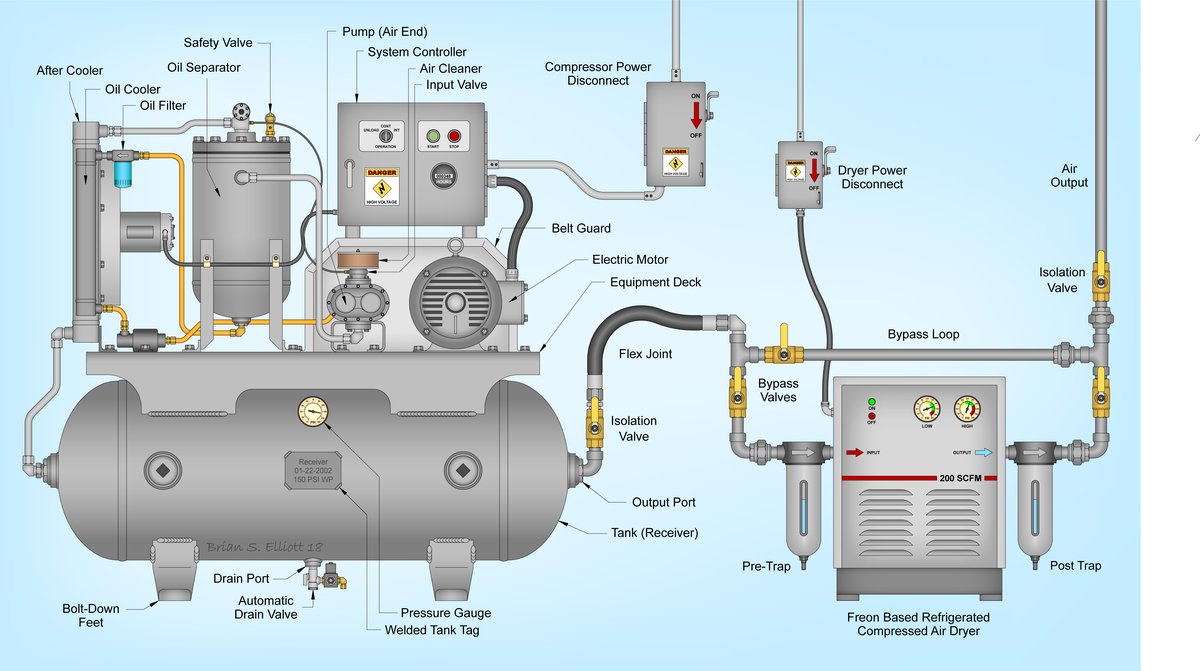
Automated Night Pressure Decay Leakage Calculation Algorithm
Rather than incurring steep ultrasonic leak auditing fees every few months, the DL-M400 firmware incorporates an automated algorithm that computes leakage volume during non-productive night shifts:
- At the conclusion of a production shift (e.g., 22:00), the system logs the baseline header pressure $P_1$ (e.g., 7.5 bar).
- The edge module monitors the time interval Δt required for the unpressurized plant header to decay naturally to $P_2$ (e.g., 6.0 bar) via concealed pipe fissures.
- Applies thermodynamic vessel volumetric formulas: $Q_{leak} = frac{V_{sys} times (P_1 - P_2)}{P_{atm} times Delta t} times 1.25$
- The software converts measured cubic meters of leakage into monthly financial losses, dispatching an automated audit summary directly to the Plant Technical Director at 06:00 each morning.
Industrial Compressor Telemetry Module DL-M400
DeviceLab hardware installs non-intrusively within 30 minutes. Measure unmetered idle energy waste and pinpoint piping leakage rates within your facility during the very first week of monitoring.
Engineering Helpline: (+84) 982.503.355