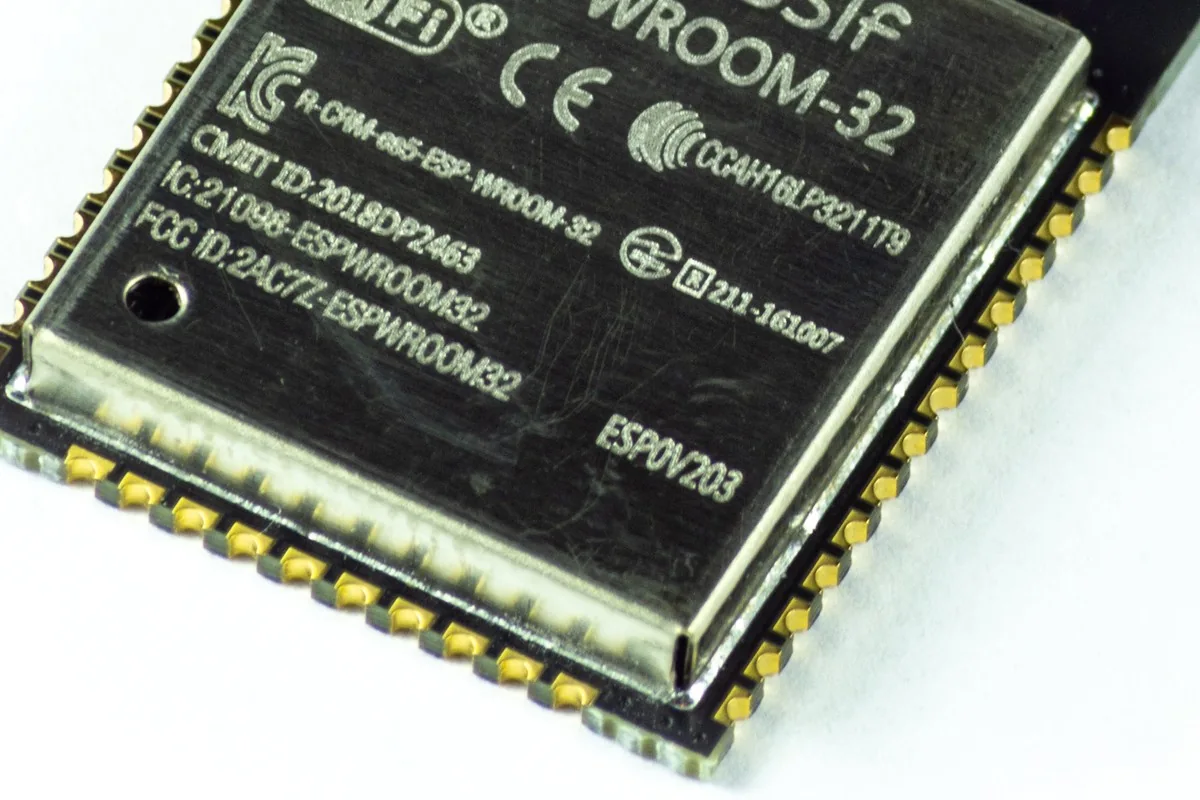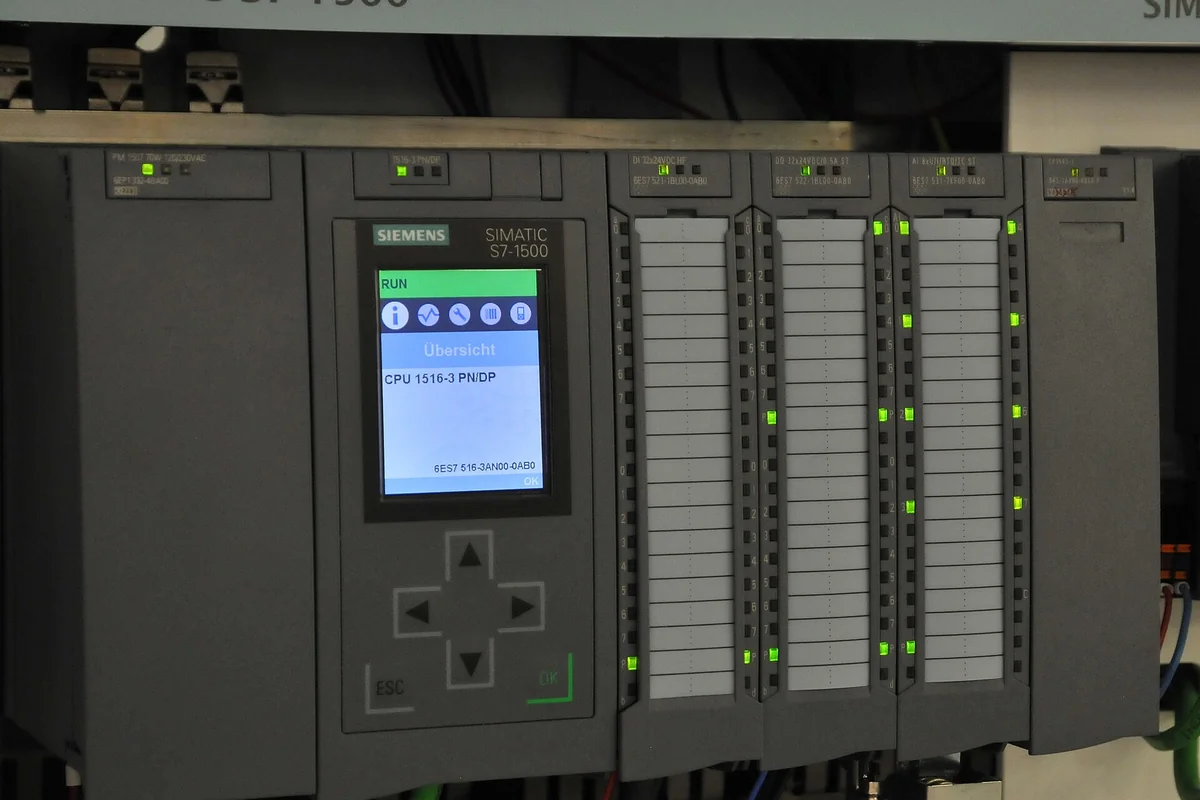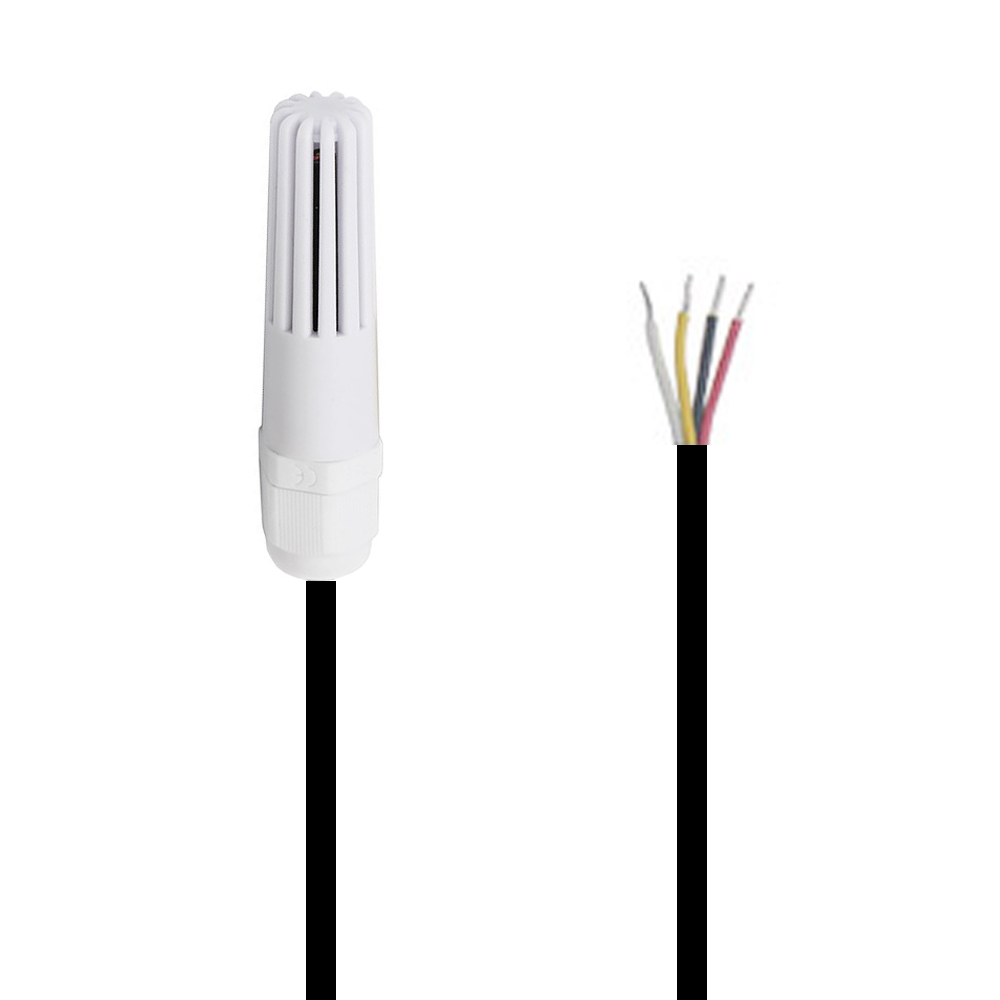
Industrial boilers (Steam Generators) are the core thermal heartbeat powering production lines across textile dyeing, food processing, animal feed, pulp & paper, and chemical industries. However, they also represent the highest pressure hazard and catastrophic explosion exposure within a plant. Deploying continuous IoT telemetry to supervise steam pressure, drum water level, flue gas temperature, and fuel evaporation ratios prevents low-water boiler explosion disasters while optimizing combustion to save hundreds of millions of VNĐ in coal, rice husk, and biomass fuel each month.
This technical guide is part of DeviceLab's comprehensive engineering handbook on industrial IoT for machinery and equipment.
📌 4 Critical Benefits of Boiler IoT Telemetry (Key Takeaways):
- Preventing Catastrophic Drum Dry-Out Disasters: Drum low-water dry-out when the combustion chamber is roaring at 900°C is the leading cause of fatal boiler explosions. Differential pressure transmitters continuously stream water levels, triggering emergency draft fan cutoffs and fuel feeder interlocks.
- Monitoring Empirical Evaporation Ratios: Precisely tracks kilograms of steam generated per kilogram of coal/biomass consumed. A drop from 1:6 to 1:4 provides immediate diagnostic alert of heavy scale accumulation on heat exchanger tubes.
- Optimizing Flue Gas Temperatures: Every 20°C reduction in flue gas stack temperature recovers approximately 1% in boiler thermal efficiency.
- Sub-Metering Departmental Steam Consumption: Measures instantaneous and cumulative steam flow across workshops using Vortex flowmeters, halting unmetered waste in washing and drying stages.
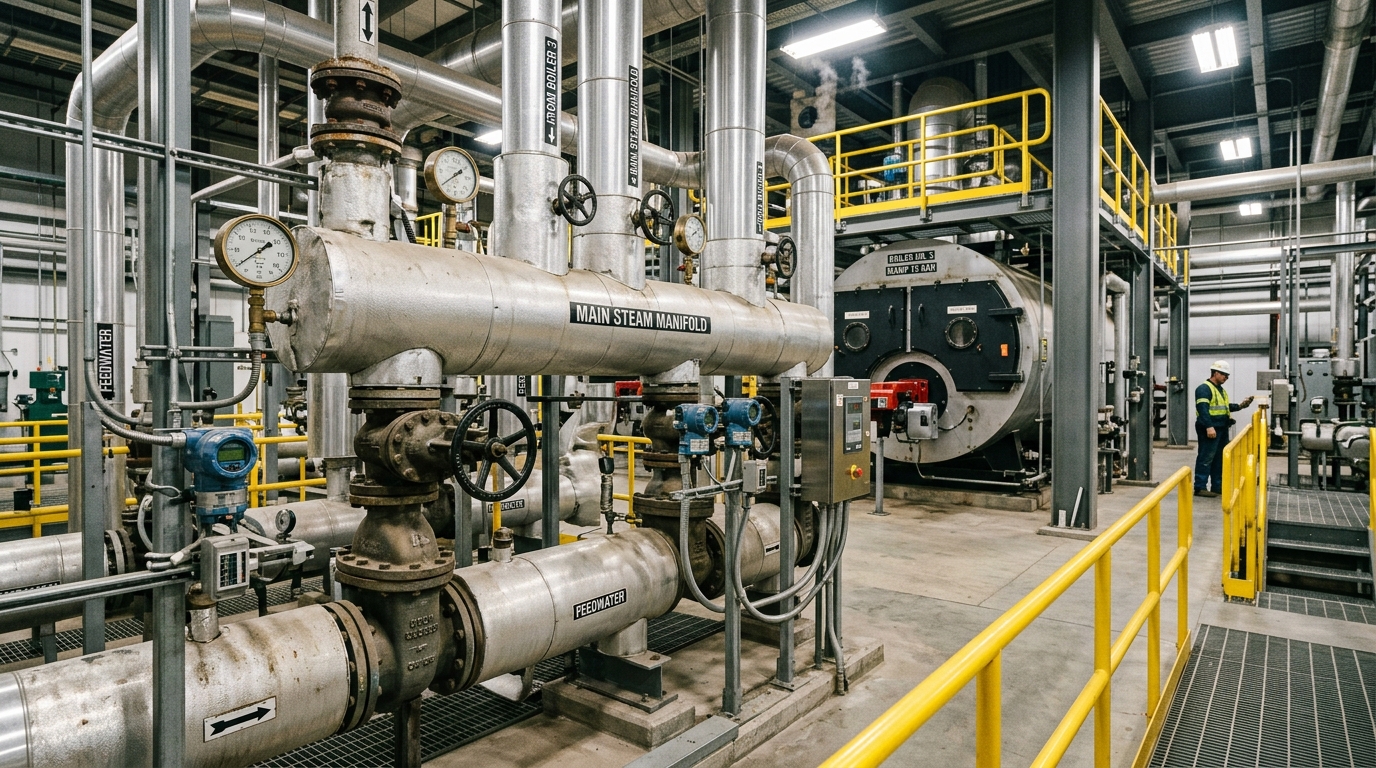
The 4 Vital Operational Parameters Mandatory in Boiler Rooms
1.1. Boiler Drum Water Level — Safety Priority #1
Boiler drum water boils turbulently with violent "shrink and swell" dynamics. Traditional optical sight-glasses become obscured by mineral stains, easily misleading boiler operators. The IoT architecture uses Differential Pressure Transmitters equipped with temperature-compensated condensing pots to measure water levels down to the exact millimeter, triggering automatic feedwater pumps and interlocking draft fans before levels reach dry-fire thresholds.
1.2. Main Header Saturated Steam Pressure
Sudden steam pressure drops signal plant demand exceeding generation capacity or valve leaks. Conversely, rapid pressure buildup beyond design ratings combined with stuck mechanical relief valves risks catastrophic rupture. 4-20mA pressure transmitters (0-25 bar) stream to the gateway, triggering localized sirens and instantaneous smartphone alerts to maintenance leadership.
1.3. Superheated / Saturated Steam Mass Flow (Vortex Flowmeters)
Vortex flowmeters with integrated temperature and pressure compensation measure true steam output (tons/hour). This metric is essential for calculating true heat cost per finished manufactured product unit.
1.4. Flue Gas Temperature & Excess Oxygen (O2 & Stack Temp)
Flue gas temperatures downstream of the air preheater or economizer reflect heat exchange surface cleanliness. When stack temperatures spike above 220°C, soot or mineral scale has blanketed boiler tubes, indicating the need for soot blowing or chemical descaling.
Multi-Tiered Emergency Alarm System for Boiler Safety
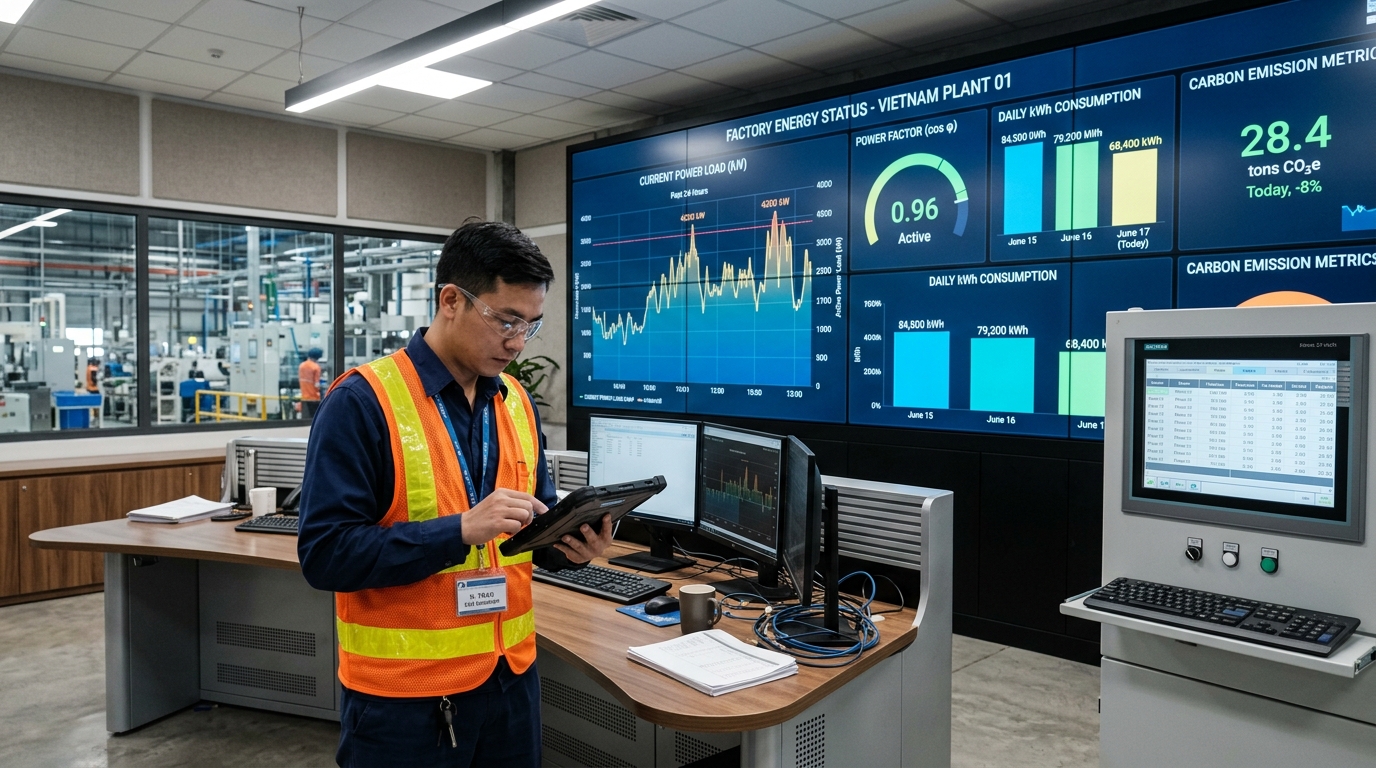
When severe threshold breaches occur in high-noise boiler rooms where acoustic sirens might be masked by combustion blowers, DeviceLab's IoT platform executes a 3-tier escalation protocol:
- Tier 1 (Local): Actuates relays powering high-output 110dB sirens and flashing red warning strobes directly in the boiler house.
- Tier 2 (Control Room): Central SCADA/EMS dashboards flash prominent visual alerts and emit acoustic chimes on operator workstations.
- Tier 3 (Remote Escalation): The 4G cellular gateway initiates direct automated voice telephone calls and dispatches emergency Telegram/Zalo alerts to the Chief Mechanical Engineer and Plant Director.
DeviceLab Industrial Boiler IoT Telemetry Solution
Turnkey sensor integration with high-temperature pressure transmitters, differential drum level sensing, and ruggedized 4G gateways. 100% protection against dry-out explosions while minimizing biomass fuel expenses.
Technical Helpline: (+84) 982.503.355