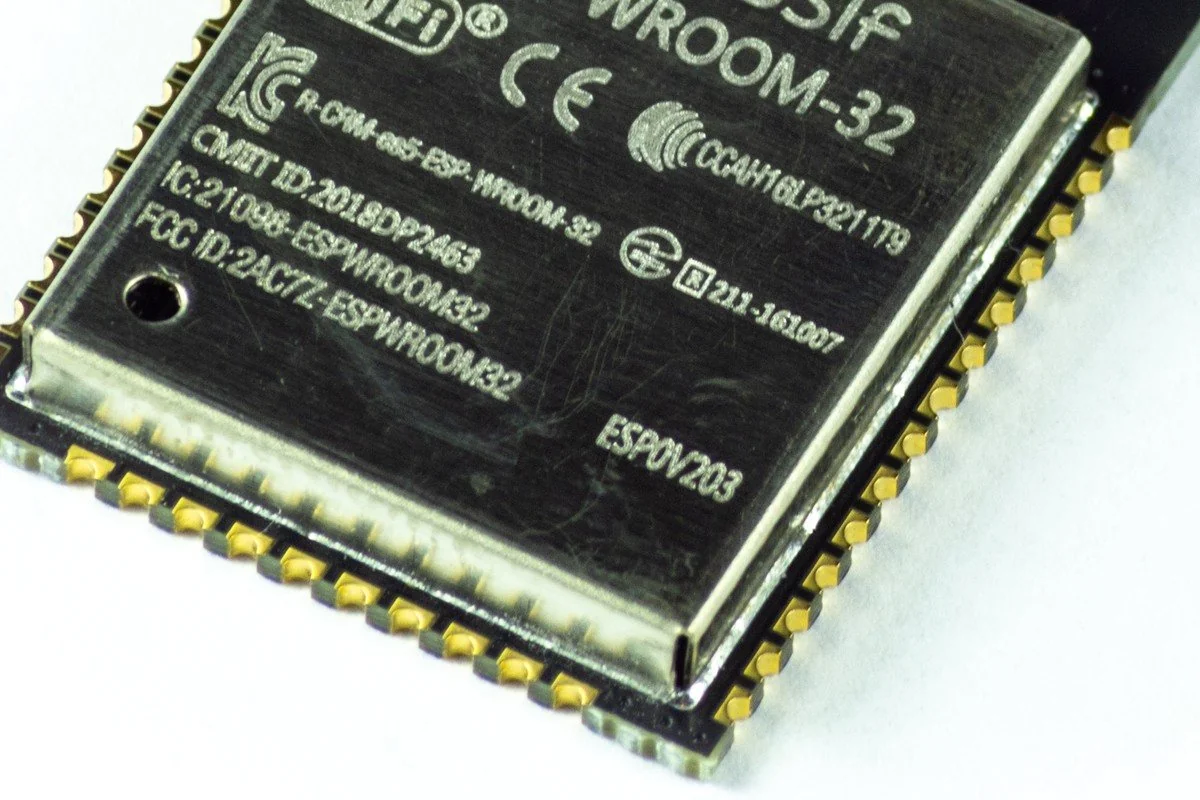
In IoT hardware development, a Proof of Concept (PoC) is an early, rapid technical experiment designed to validate core functional feasibility and eliminate fundamental engineering risks, whereas a Hardware Prototype is a purpose-built, manufacturable device engineered to validate mechanical enclosures, industrial electrical reliability, and commercial production costs.
This technical guide is part of DeviceLab's comprehensive engineering handbook on custom IoT device design and engineering.
Many businesses in Vietnam blur the boundary between a PoC and a commercial prototype. Some teams jump prematurely into expensive injection molds and multi-layer PCB fabrication before validating basic sensor physics and cellular data transmission. Other teams mistake a messy breadboard of breakout modules for a finished product, deploying fragile hobbyist assemblies into demanding factory environments where they fail within days.
This technical guide defines the exact boundaries of a successful IoT PoC, establishes objective Go/No-Go criteria for transitioning to custom hardware prototypes, and outlines the phased development roadmap from PoC to mass manufacturing.
What is an IoT Proof of Concept (PoC)?
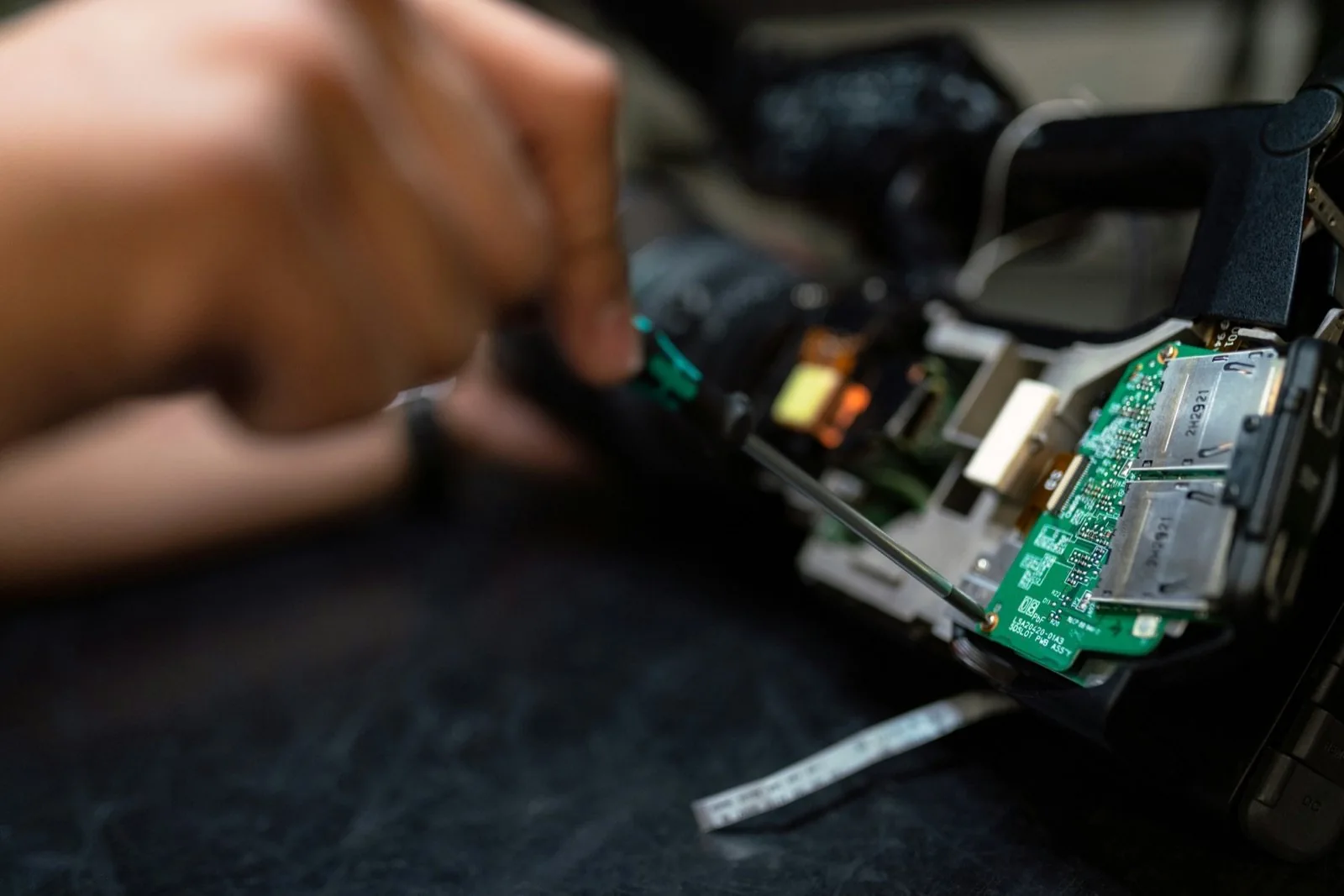
An IoT Proof of Concept is a focused, low-cost engineering experiment built to answer a single critical question: "Can this specific technical approach reliably solve the operational problem?"
A PoC does not need to look like a finished commercial product. It typically leverages off-the-shelf evaluation boards (such as ESP32 dev kits, Raspberry Pi, or COTS modems) and breadboard wiring to confirm sensor accuracy, test communication protocols, and verify cloud dashboard ingestion within 2 to 4 weeks.
[Commercial Concept / Business Need]
                 ↓
[Proof of Concept (PoC): 2–4 Weeks] ──→ Validates Sensor Physics, Protocols & Data Value
                 ↓ (Objective Go/No-Go Decision Gate)
[Hardware Prototype (EVT/DVT): 6–10 Weeks] ──→ Validates Custom PCBA, Form Factor, Thermal & EMC
                 ↓ (Regulatory Certification & Tooling)
[Pilot Production & Mass Manufacturing] ──→ Delivers Scalable, Turnkey Commercial Products
How Does an IoT PoC Differ from a Hardware Prototype?
| Evaluation Criteria | IoT Proof of Concept (PoC) | Hardware Prototype (EVT / DVT) |
|---|---|---|
| Primary Objective | De-risk core technical assumptions; prove feasibility | Validate manufacturability, form factor, and unit BOM cost |
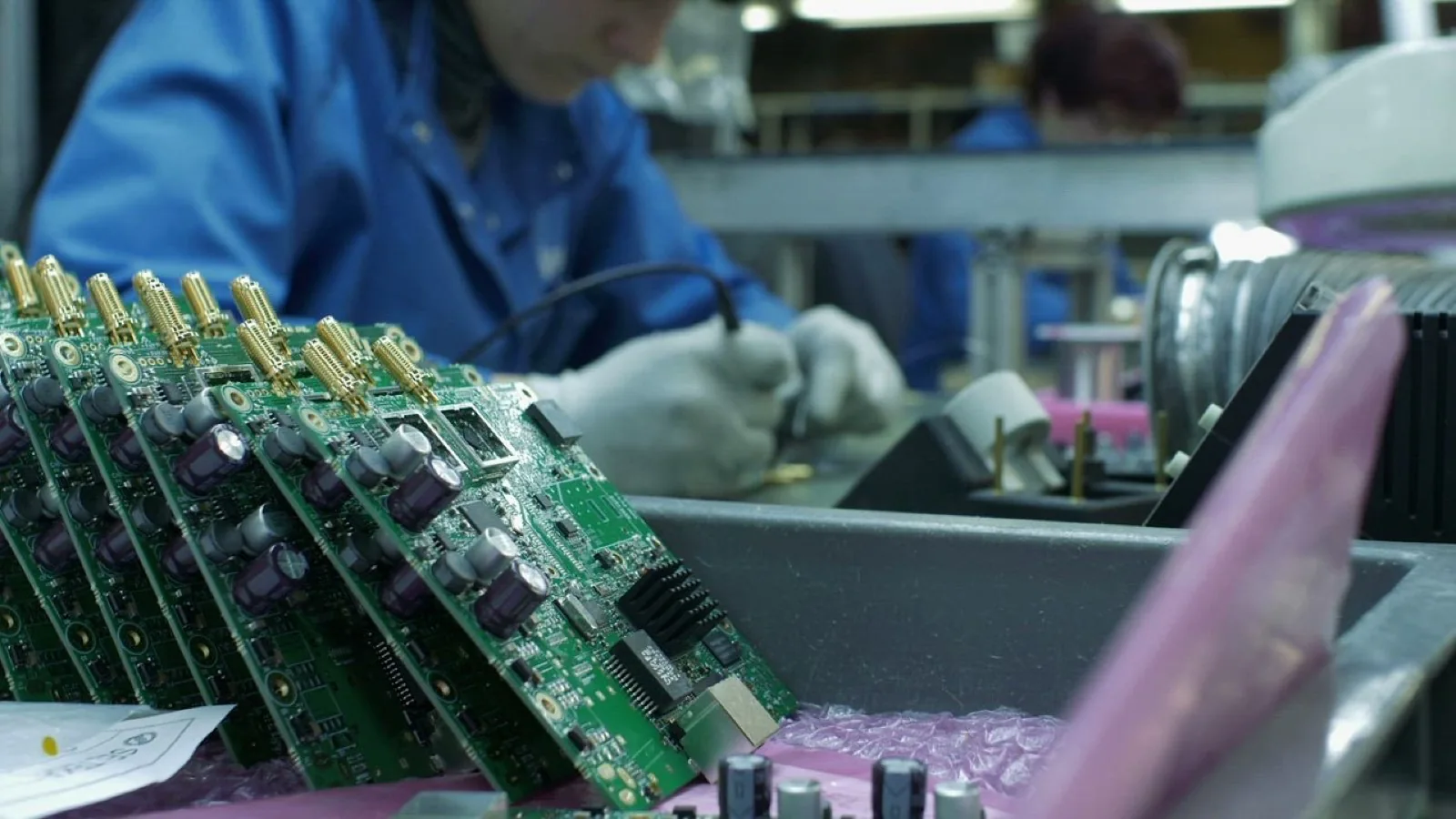
| Hardware Architecture | Off-the-shelf dev kits, breakout boards, jumper wires | Custom multi-layer PCB (PCBA) with production-grade silicon |
| Mechanical Enclosure | Open bench, cardboard box, or rough 3D print | Engineered CAD enclosure (CNC aluminum, sheet metal, injection tooling) |
| Power & Protection | Standard USB adapter or lab bench power supply | Integrated wide-voltage DC regulator, surge TVS, optical isolation |
| Firmware Maturity | Basic procedural scripts validating data paths | Modular C/C++ firmware with RTOS, watchdog, and fail-safe FOTA |
| Typical Timeline | 2 to 4 weeks | 6 to 10 weeks |
| Budget Commitment | Low (labor and basic evaluation kits) | Moderate (PCB fabrication, components, enclosure tooling NRE) |
The Correct Scope of an IoT PoC

What a PoC MUST Validate
- Can the chosen sensor accurately measure the physical variable (temperature, pressure, vibration) under field conditions?
- Does the wireless communication protocol (4G LTE, NB-IoT, LoRa, Wi-Fi) maintain reliable connectivity at the installation site?
- Is the data frequency and resolution sufficient to provide actionable operational insights on the backend dashboard?
- Does the machine output meaningful registers over its serial communication port?
What a PoC Should NOT Attempt
- Final aesthetic enclosure design or injection mold tooling.
- Official statutory regulatory compliance testing (QCVN, CE, FCC).
- Mass production line test jig design.
- Fractional-cent BOM cost optimization.
Criteria for Transitioning from PoC to Custom Prototype
Teams should advance to custom hardware prototyping only when all validation gates pass:
Technical Validation Gates
- Sensor measurement accuracy matches reference benchmarks consistently over 14+ continuous days.
- Packet loss rates over the wireless link remain below agreed operational thresholds (<2%).
- Power consumption profiles confirm that the target battery lifespan is mathematically achievable.
Business & Decision Gates
- End users or executive stakeholders validate that dashboard data delivers clear economic value.
- Target production volumes and retail price targets support positive gross profit margins.
- Key decision-makers formally authorize the capital budget for custom prototype engineering.
Warning Signs That a PoC is NOT Ready to Advance
If sensor readings drift wildly, wireless connections fail repeatedly inside metal cabinets, or operational teams cannot agree on how the data will be used, do not proceed to prototype design. Solve the root-cause problem on the bench first.
Common Pitfalls in IoT PoC Projects
- Over-Ambitious Scope: Attempting to build a finished commercial product during the PoC phase, resulting in endless delays.
- Superficial Testing: Testing devices only on air-conditioned office desks without validating performance in hot, high-vibration factory environments.
- Missing Go/No-Go Criteria: Launching a PoC without pre-defined quantitative metrics for success, leaving the project in perpetual limbo.
- Ignoring Data Value: Collecting massive amounts of raw sensor data without building clear analytics dashboards that prove business ROI.
Turnkey PoC and Prototype Acceleration at DeviceLab
DeviceLab guides enterprises through the entire hardware commercialization journey: * Rapid PoC Acceleration: Assembling functional benchtop proof-of-concept systems within 2 to 3 weeks using industrial evaluation hardware. * Custom Prototype Engineering (EVT/DVT): Developing rugged multi-layer PCBs, custom firmware, and production-grade enclosures. * Seamless Mass Manufacturing Transition: Turnkey SMT assembly, automated testing jigs, and supply chain procurement.
Frequently Asked Questions (FAQ)
PoC IoT là gì?
A Proof of Concept (PoC) is a rapid technical trial designed to validate sensor feasibility, connectivity, and data value with minimal time and investment.
PoC khác prototype như thế nào?
A PoC proves functional feasibility using evaluation boards; a Prototype validates physical form factor, industrial reliability, and mass manufacturability using custom PCBA hardware.
PoC IoT mất bao lâu?
A focused IoT PoC typically requires 2 to 4 weeks to assemble, deploy, and analyze.
Cần những gì để bắt đầu PoC IoT?
A defined operational problem, access to test machines, target measurement parameters, and a basic cloud or local dashboard.
Khi nào PoC được coi là thành công?
When data is collected accurately, communication links prove stable, and stakeholders confirm the data delivers measurable operational value.
PoC có cần phần cứng riêng không?
No. PoCs should leverage commercial off-the-shelf development kits and breakout modules to minimize setup time and cost.
Sau PoC thành công, bước tiếp theo là gì?
Drafting formal Product Requirement Documents (PRD) and initiating custom schematic design and PCB layout for the Engineering Validation Test (EVT) prototype.
Có thể bỏ qua PoC và làm prototype luôn không?
Only if the technical architecture and sensor interfaces are completely identical to previously validated products. For new concepts, skipping the PoC dramatically increases the risk of expensive hardware respins.
PoC IoT tốn bao nhiêu chi phí?
Typical PoC investments are very modest, covering basic evaluation silicon, bench wiring, and engineering setup time.
Khi nào PoC dẫn đến No-Go?
When physical physics prevent accurate sensing, machines cannot output required data, or the financial return does not justify production costs.
Conclusion
A disciplined PoC de-risks IoT hardware development, preventing costly manufacturing mistakes before they happen.
Validate core assumptions on the bench first, establish clear Go/No-Go criteria, and transition to custom prototypes only when feasibility is proven.
Consult with DeviceLab on Rapid IoT PoC & Prototype Development →