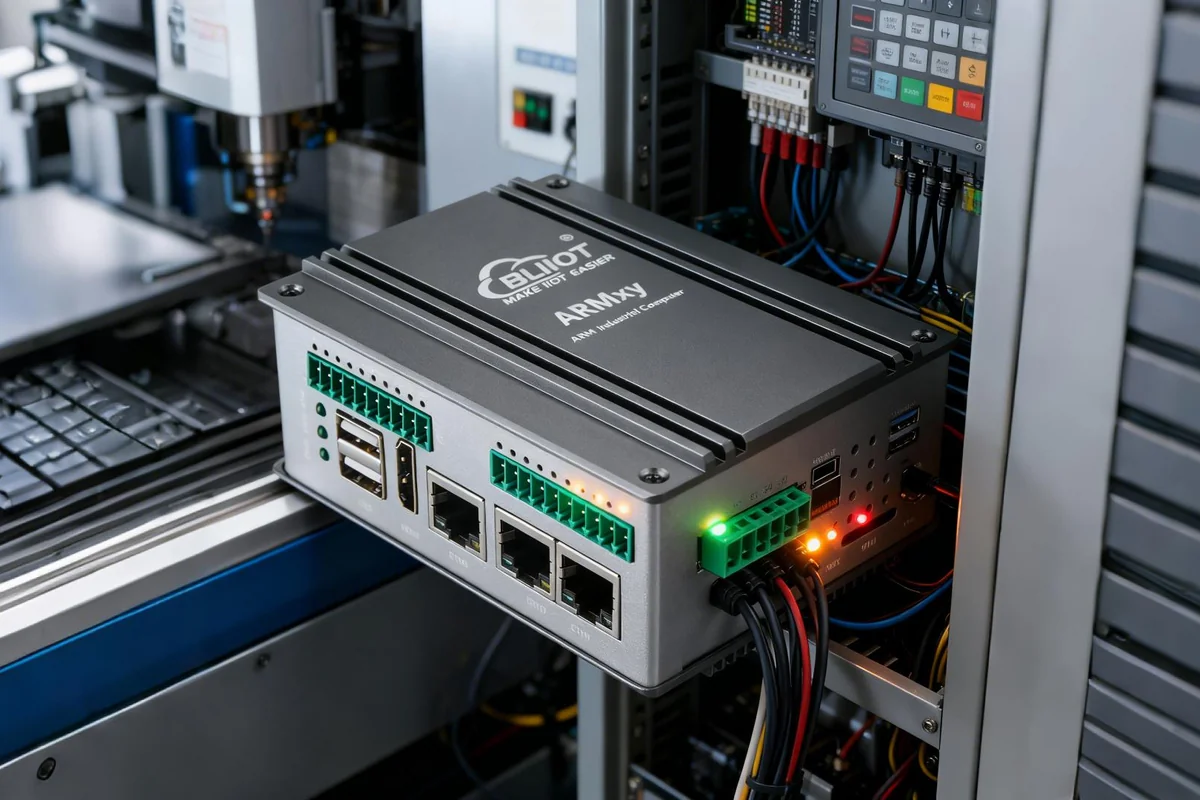
Regulatory Type Approval certification (QCVN Certification) is the mandatory statutory verification and declaration process overseen by Vietnam's Ministry of Information and Communications (MIC / Bộ TT&TT) to ensure that radio-transmitting and IoT telecommunication devices comply strictly with national technical standards regarding radio frequency (RF), electromagnetic compatibility (EMC), and electrical safety before commercial distribution.
This technical guide is part of DeviceLab's comprehensive engineering handbook on custom PCB design and SMT assembly.
For hardware startups, IoT developers, and technology enterprises in Vietnam, launching a wireless product without regulatory Type Approval brings severe legal and commercial hazards: customs confiscation of imported components, administrative penalties, and forced product recalls. Conversely, navigating the laboratory testing process without specialized RF experience often leads to failed tests, repeated laboratory booking fees, and months of lost commercial momentum.
This comprehensive guide details mandatory QCVN standards for common IoT devices, compares custom RF design against pre-certified modules, outlines the step-by-step 4-stage certification process, and presents DeviceLab's proven strategies to achieve Type Approval with minimal engineering expense.
What is Regulatory Type Approval for IoT Devices?
Under Circular 04/2023/TT-BTTTT (and subsequent updates) issued by the Ministry of Information and Communications, all short-range radio devices (SRDs), cellular modems, and network equipment operating on radio frequencies in Vietnam must obtain a Certificate of Conformity and display the statutory ICT regulatory compliance mark.
Certification verifies that wireless devices transmit only within authorized frequency bands at allowable effective radiated power (ERP/EIRP) limits, prevent spurious emissions that disrupt cellular carriers, and protect consumer safety.
Mandatory National Technical Regulations (QCVN) for IoT Hardware
The regulatory standards applicable to your device depend directly on its wireless transmission technologies:
| Wireless Technology | Radio Frequency (RF) Standard | Electromagnetic Compatibility (EMC) | Electrical Safety Standard |
|---|---|---|---|
| Wi-Fi 2.4GHz / Bluetooth / BLE | QCVN 54:2020/BTTTT (Short-range 2.4GHz broadband transmission) | QCVN 112:2017/BTTTT (EMC for short-range radio devices) | QCVN 132:2022/BTTTT (Electrical safety for telecommunications equipment) |
| Cellular 4G LTE / NB-IoT / Cat-M1 | QCVN 117:2020/BTTTT (Radio access for E-UTRA land mobile terminals) | QCVN 18:2022/BTTTT (EMC for radio communications equipment) | QCVN 132:2022/BTTTT |
| Sub-1GHz Wireless (LoRa / 433MHz / 920MHz) | QCVN 73:2013/BTTTT (SRD operating from 25MHz to 1GHz) | QCVN 96:2015/BTTTT (EMC for short-range radio equipment) | QCVN 132:2022/BTTTT |
| NFC / RFID (13.56MHz) | QCVN 55:2011/BTTTT (SRD operating from 9kHz to 25MHz) | QCVN 96:2015/BTTTT | QCVN 132:2022/BTTTT |
| Non-Wireless Industrial Gateways (RS485 / Ethernet only) | Exempt from RF radio regulations | QCVN 118:2018/BTTTT (Electromagnetic emissions for ITE) | TCVN 7326-1:2003 / IEC 60950-1 |
Chip-Down RF Design vs. Pre-Certified Wireless Modules
Choosing between discrete RF transceiver ICs (Chip-down design) and pre-certified modules is the single biggest financial decision in IoT hardware development:
| Deployment Strategy | Certification Testing Cost | Time to Certification | Technical Risk | Recommended Project Profile |
|---|---|---|---|---|
| Pre-Certified Modules (Espressif, Quectel, Nordic) | Low (can utilize existing CE/FCC test reports to streamline domestic approval) | Fast (2 to 4 weeks) | Low (RF matching and antenna routing pre-optimized by module vendor) | Recommended for startups, SMEs, and commercial production batches under 50,000 units/year |
| Discrete Chip-Down Design | High (requires full testing across RF, spurious emissions, and modulation accuracy) | Extended (2 to 4 months) | High (slight PCB trace mismatches trigger antenna de-tuning and test failures) | Mass consumer production (>100,000 units/year) where saving $0.50–$1.00 per unit justifies high NRE |
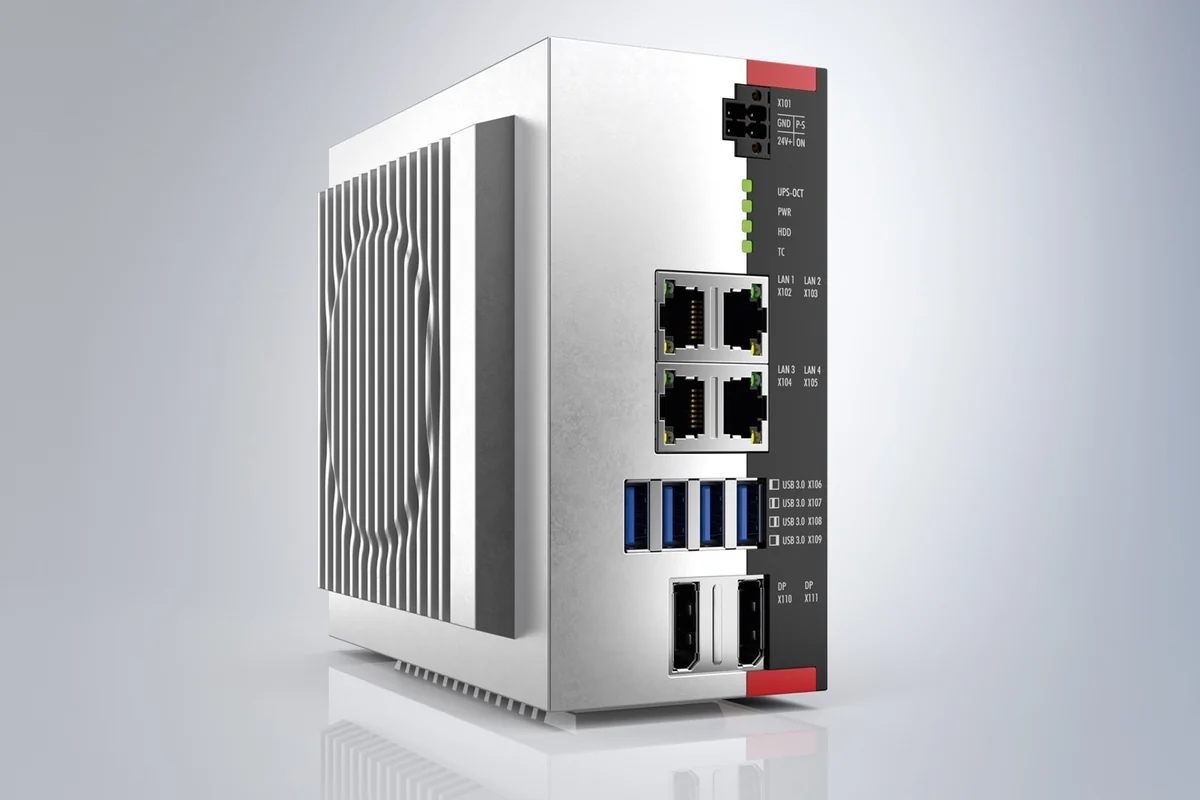
The 4-Step Process for Regulatory Certification and Declaration
Executing Type Approval smoothly requires disciplined coordination between hardware, firmware, and regulatory authorities:
Step 1: Prepare Test Units and Author RF Test Firmware
Accredited laboratories require: * 1 to 2 complete commercial retail product samples. * 1 RF Conducted Sample: Board modified with an SMA coaxial pigtail soldered directly to the RF output pin ahead of the antenna matching network. * Dedicated RF Test Firmware: Enabling laboratory engineers to issue AT commands via serial terminal to lock the radio into continuous transmission (CW / Modulated) at Low, Mid, and High channels across maximum power levels.
Step 2: Testing at an MIC-Designated Accredited Laboratory
Submit samples to an authorized testing center (e.g., Telecom Verification Center, Quatest 1, Quatest 3, VNTEK). Testing requires 7 to 15 business days. Once all parameters pass, the lab issues an official Test Report.
Step 3: Submit Application for Certificate of Conformity to the Vietnam Telecommunications Authority (VNTA)
Submit digital application files through the National Public Service Portal, including: 1. Application for Certificate of Conformity (official MIC form). 2. Business Registration Certificate of the applicant enterprise. 3. Technical specifications, schematic block diagrams, and User Manual. 4. Valid laboratory Test Reports (issued within 2 years). 5. High-resolution product photographs showing model numbers, power ratings, and exterior enclosure labels.
Within 10 business days of receiving complete documentation, the VNTA evaluates the application and issues the Certificate of Conformity (Type Approval Certificate) valid for up to 3 years.
Step 4: Execute Declaration of Conformity and Affix the ICT Compliance Mark
The enterprise registers a Declaration of Conformity with the local Department of Information and Communications. Upon formal acceptance, the enterprise is authorized to affix the statutory ICT Regulatory Mark along with its enterprise management code onto the product body and retail packaging.
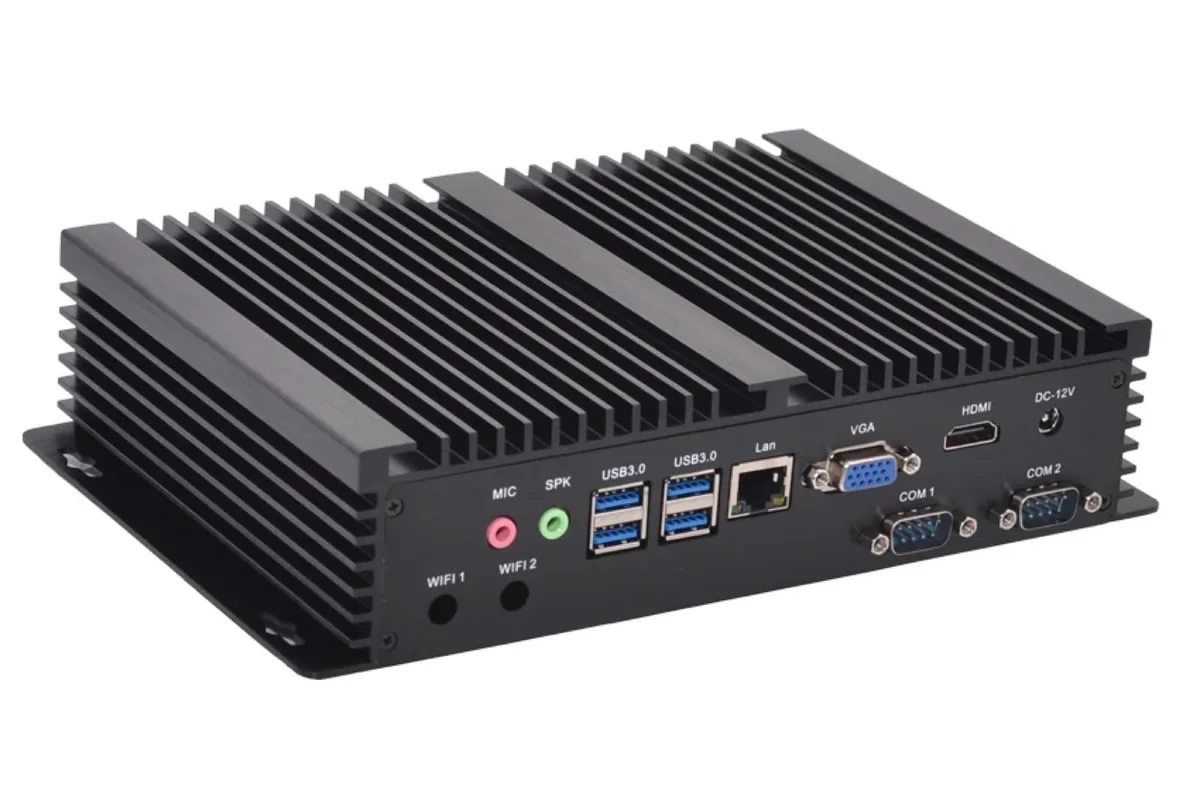
Practical Cost-Saving Strategies from DeviceLab's Engineering Team
As an engineering partner specializing in custom B2B IoT devices, DeviceLab implements practical technical strategies that save clients substantial certification expenses: * Leveraging Pre-Certified Wireless Modules: We prioritize proven wireless modules (such as Espressif ESP32-WROOM, Quectel EC200/EG91, Nordic nRF52 series) with full international CE/RED and FCC test documentation, dramatically accelerating regulatory review in Vietnam. * Precision 50-Ohm Antenna Matching: Integrating calibrated Pi-matching ($pi$-network) circuits tuned with vector network analyzers (VNA) to eliminate reflection losses and harmonics. * Turnkey RF Test Firmware Delivery: Delivering pre-flashed test firmware and command cheat sheets to testing laboratories, eliminating testing bottlenecks.
Frequently Asked Questions (FAQ)
1. Do I need Type Approval if I only produce dozens of IoT devices for internal pilot testing?
Under statutory regulations, devices engineered strictly for internal research, non-commercial laboratory trials, or private pilot testing within closed facilities are exempt from commercial declaration. However, the moment products are commercially sold, invoiced, or deployed under paid client contracts, Type Approval is legally mandatory.
2. If my device integrates Wi-Fi, Bluetooth, and 4G, how many standards must be tested?
Your device must undergo testing for all applicable standards: QCVN 54 (Wi-Fi/BLE radio), QCVN 117 (4G LTE radio), QCVN 112 (Wi-Fi/BLE EMC), and QCVN 18 (cellular EMC). Laboratory testing fees are cumulative based on the total number of test items.
3. How long is a Certificate of Conformity valid?
A Certificate of Conformity issued by the Vietnam Telecommunications Authority is valid for up to 3 years. Upon expiration, if hardware schematics and components remain completely identical, the enterprise can apply for renewal.
4. If I modify a minor passive component on the PCB, do I have to re-certify?
If modifications involve only passive resistors/capacitors that do not affect the power supply rails, RF transceiver, or antenna layout, re-testing is not required. However, changing the main MCU, altering the RF transceiver IC, or modifying antenna trace geometry requires formal re-testing.
5. Can prototype IoT hardware be imported into Vietnam for compliance testing purposes?
Yes. The enterprise must submit an application to the Telecommunications Authority for an official Non-Commercial Radio Equipment Import Permit prior to initiating customs clearance.
6. Are there minimum dimension requirements for the ICT compliance label?
Yes. The ICT regulatory label must be legible to the naked eye (typically minimum 5mm x 5mm for the ICT logo emblem) and clearly indicate the enterprise identification code assigned by the VNTA.
7. Does DeviceLab provide turnkey certification and laboratory testing services?
Yes. We offer end-to-end regulatory support: preparing RF test samples, flashing specialized test firmware, escorting devices to accredited testing laboratories, and managing paperwork through VNTA approval.
Ensure Legal Compliance & Market Readiness for Your IoT Products
Developing an IoT device and seeking the most cost-effective path to regulatory certification?
👉 Consult with DeviceLab's Regulatory Engineering Specialists
Consult directly with our engineering team via Hotline/WhatsApp/Zalo: 0982.503.355.