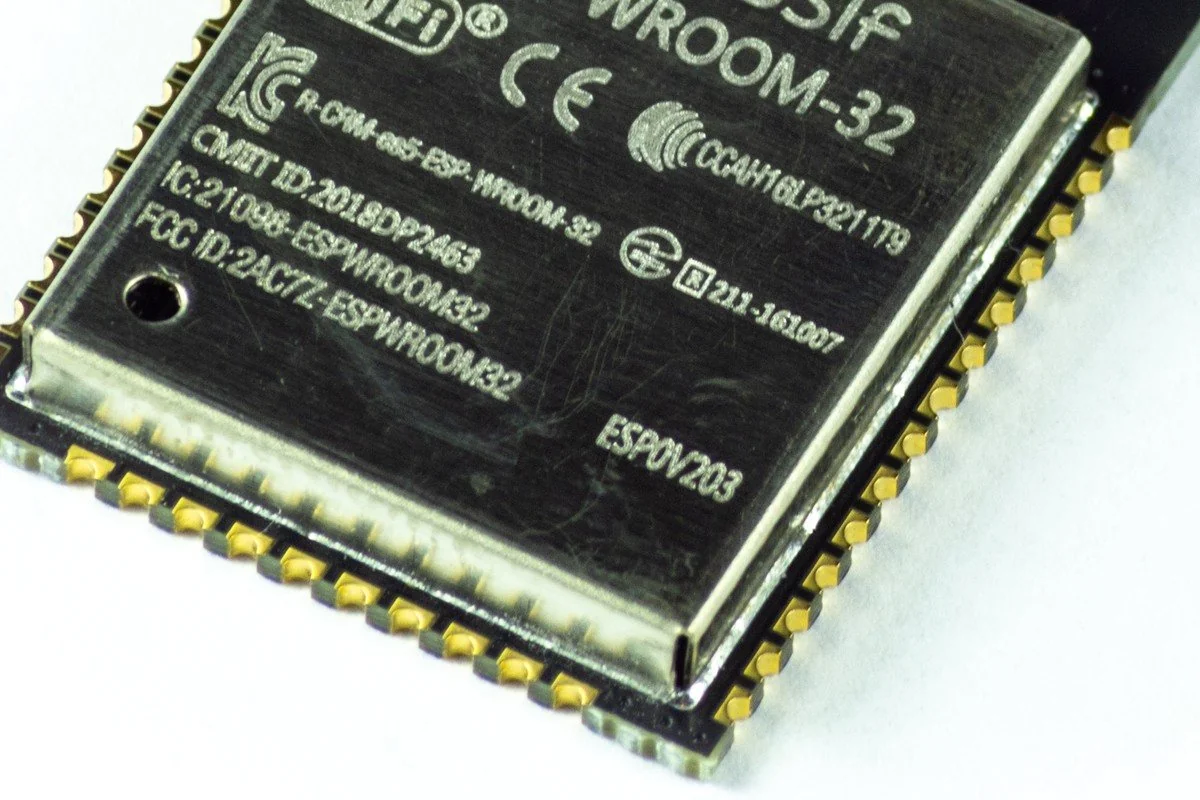
An Industrial IoT Gateway is an intelligent edge computing device that bridges operational technology (OT) data from industrial machinery, PLCs, smart sensors, and electrical switchboards with enterprise IT software systems such as SCADA, MES, management dashboards, and cloud platforms. Depending on system architecture, a gateway may perform simple protocol translation or execute sophisticated local edge data processing, historical buffering, and autonomous control logic.
This technical guide is part of DeviceLab's comprehensive engineering handbook on custom IoT device design and engineering.
When physical interfaces, measurement points, and installation conditions align closely with catalog specifications, Commercial Off-The-Shelf (COTS) gateways offer a fast, cost-effective path for Proof of Concept (PoC) validation and standard telemetry. However, when dealing with legacy machinery, uncommon field protocols, harsh control cabinet environments, local edge computing rules, or large-scale commercial deployments, engineering teams require customized firmware, tailored I/O, or bespoke Industrial IoT Gateway hardware development.
This technical guide evaluates when to choose COTS, hybrid, or custom-engineered Industrial IoT Gateways based on technical risk, timeline, and total lifecycle costs.
What is an Industrial IoT Gateway?
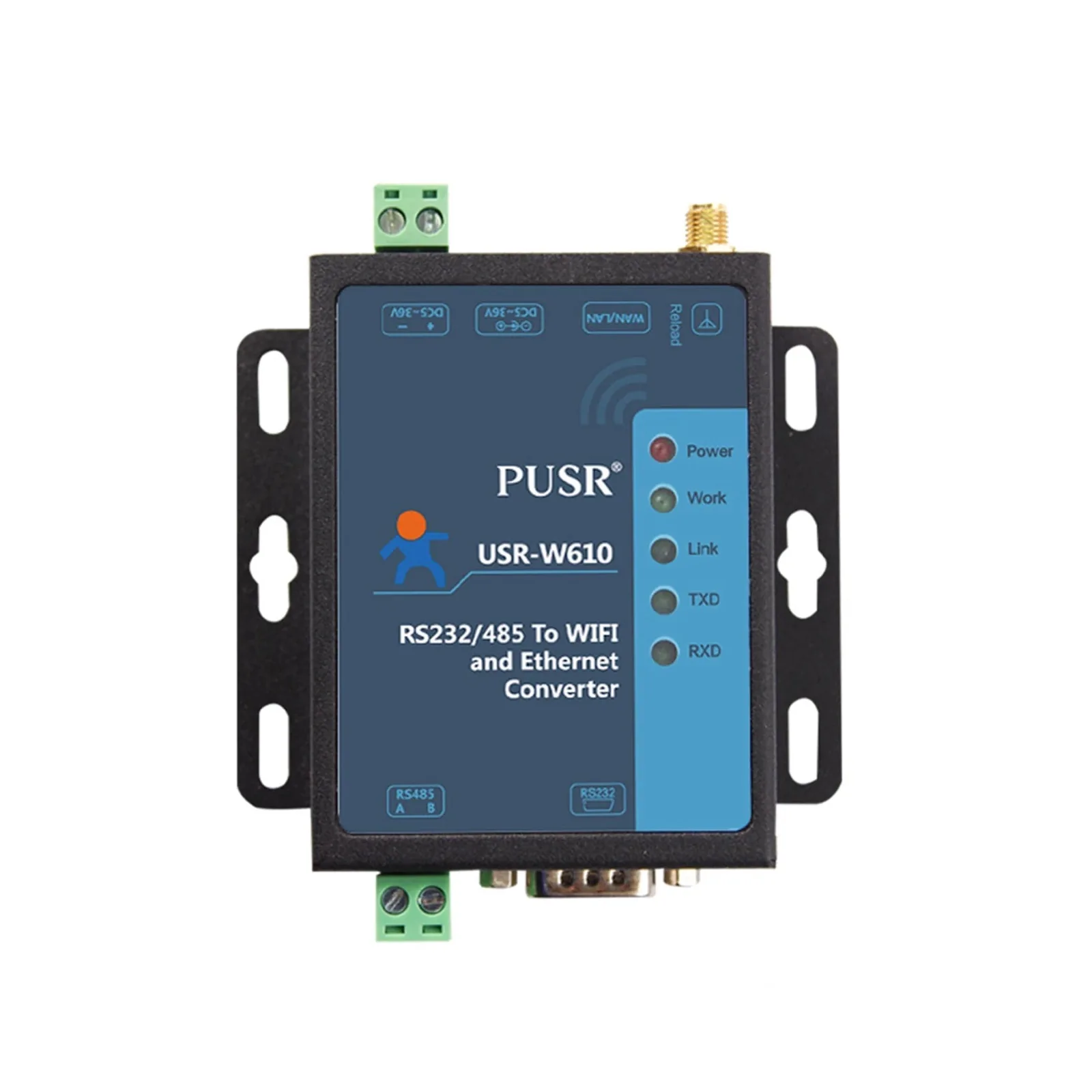
An Industrial IoT Gateway is a rugged hardware device that captures, conditions, and transmits operational data between shop-floor machines/OT signals and supervisory IT software platforms (SCADA, MES, cloud ERP). Depending on architectural design, the gateway executes cyclic data polling, protocol normalization, edge filtering, mathematical anomaly detection, and non-volatile Store-and-Forward buffering during network blackouts.
A gateway occupies the critical middle ground between field signals and operational software—it is not the entire Industrial IoT system. A complete system also encompasses measurement sensors, electrical wiring, factory OT/IT networks, backend software, and operating workflows.
A gateway does not always need to be engineered from scratch. Projects can leverage COTS gateways, customize firmware on standard hardware platforms, or develop proprietary hardware and firmware from the ground up—depending on functional requirements.
How Do COTS Gateways and Custom Gateways Differ?
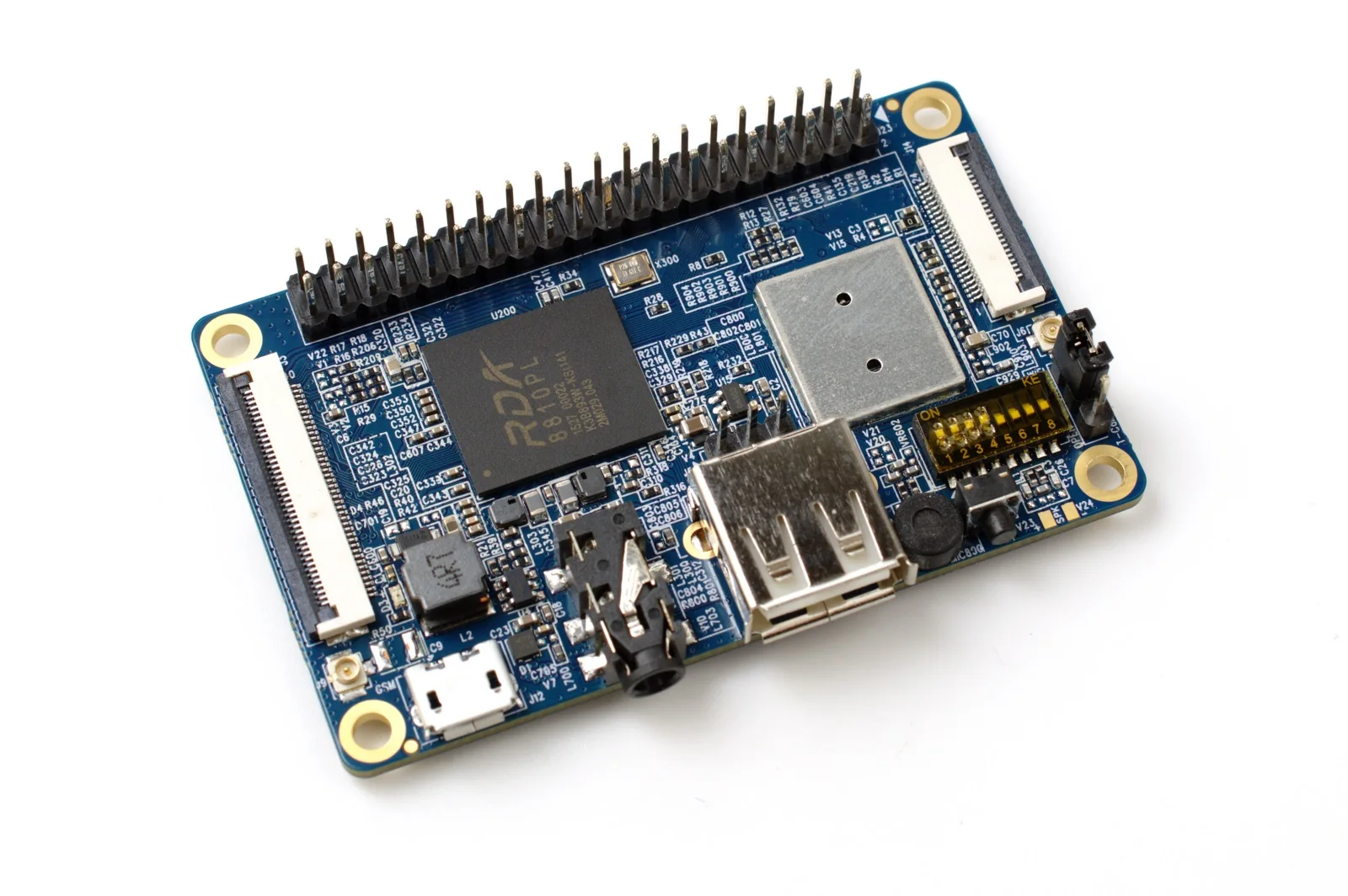
COTS Gateways are pre-packaged commercial units: hardware, firmware, and I/O channels are fixed according to manufacturer catalog specifications. Custom Gateways tailor firmware algorithms, physical I/O configurations, circuit protection, and mechanical enclosures precisely to factory operating conditions and long-term scaling roadmaps.
| Evaluation Criteria | COTS Commercial Gateway | Custom-Engineered Gateway |
|---|---|---|
| Hardware Architecture | Fixed manufacturer design | Bespoke circuit schematics & layout |
| Embedded Firmware | Locked proprietary firmware | 100% custom-authored C/C++ firmware |
| Supported Protocols | Limited to catalog options | Custom drivers for rare/legacy protocols |
| Physical I/O Channels | Fixed port combinations | Tailored mix (DI/DO/AI/RS485/CAN/Ethernet) |
| Mechanical Enclosure | Standard commercial housing | Custom DIN-rail / IP67 rugged enclosure |
| Environmental Ratings | Standard catalog specifications | Engineered for extreme heat, dust, and EMC |
| PoC Speed | Immediate (days) | Requires engineering lead time (weeks) |
| Volume Scalability | High unit purchase cost | Low unit BOM cost / OEM commercial rights |
| Design & IP Control | Vendor locked; obsolescence risk | Complete client IP & design ownership |
When is a COTS Gateway the Right Choice?
COTS gateways are optimal when project specifications align directly with off-the-shelf capabilities:
- Standardized field protocols (e.g., standard Modbus RTU over RS485 or standard Modbus TCP).
- Clean, climate-controlled electrical panels within standard temperature limits.
- Small deployment quantities (1 to 5 gateways) where custom engineering NRE is not economically justified.
- Urgent deployment schedules where testing must begin within days.
When is COTS Suitable for Proof of Concept (PoC)?
Using a COTS gateway during early PoC validation allows engineering teams to prove business feasibility: verifying that machines yield meaningful telemetry, validating dashboard visualizations, and securing executive budget approvals before investing in proprietary hardware.
When is a Custom-Designed Industrial IoT Gateway Essential?

Custom hardware engineering becomes imperative when off-the-shelf devices hit physical and commercial barriers:
- Unusual Physical I/O Mixtures: When a single machine requires a unique combination of high-speed digital pulse counters, 4–20mA analog loops, PT100 temperature RTDs, and dual isolated RS485 ports that no single COTS unit provides without expensive multi-module stacking.
- Legacy Machinery & Undocumented Protocols: Interfacing with 20-year-old CNC machines, proprietary Japanese/European controllers, or custom serial protocols that commercial gateways cannot parse.
- Severe Industrial Environments: Ambient cabinet temperatures exceeding 60°C, continuous high vibration near mechanical presses, or intense electromagnetic interference from nearby multi-kilowatt VFDs requiring galvanic isolation.
- Edge Computing & Autonomous Control: Executing local signal processing, FFT vibration analysis, or real-time interlock logic at the edge without cloud latency.
- Commercial Scalability (OEM/ODM): When deploying hundreds or thousands of units, purchasing expensive COTS gateways ($300–$800 each) destroys profit margins. Developing proprietary hardware cuts unit BOM costs by 50% to 70%.
Can We Start with COTS and Transition to Custom Later?
Yes, this is an industry best practice. Many successful industrial digital transformations deploy COTS gateways for rapid 30-day PoC trials to prove software data value, and subsequently transition to custom-engineered hardware when preparing for plant-wide or commercial market rollout.
What Signal Types Must an Industrial Gateway Interface?
Industrial edge gateways must robustly condition diverse electrical signal domains:
Digital Signals (DI / DO)
Optocoupler-isolated 24VDC dry/wet contacts detecting machine run states, emergency stops, safety interlocks, and relay control outputs.
Analog Signals (AI / AO)
Standard 0–10VDC and 4–20mA current loops measuring pneumatic pressure, fluid levels, flow rates, and chemical pH with 12-bit to 16-bit ADC resolution.
Pulse Inputs
High-frequency digital counters (up to 50kHz) capturing pulses from flow meters, optical encoders, and automated packaging lines.
RS485 Serial Buses
Optically isolated serial transceivers polling Modbus RTU, BACnet MSTP, or proprietary serial strings from power meters and motor drives.
Industrial Ethernet
RJ45 Ethernet interfaces communicating over Modbus TCP, Profinet, EtherCAT, and Ethernet/IP networks.
Application Layer Protocols
Pushing normalized telemetry upstream via MQTT/TLS, OPC UA, HTTP REST JSON, or WebSockets to enterprise IT systems.
What Must Be Audited Before Designing an Industrial Gateway?
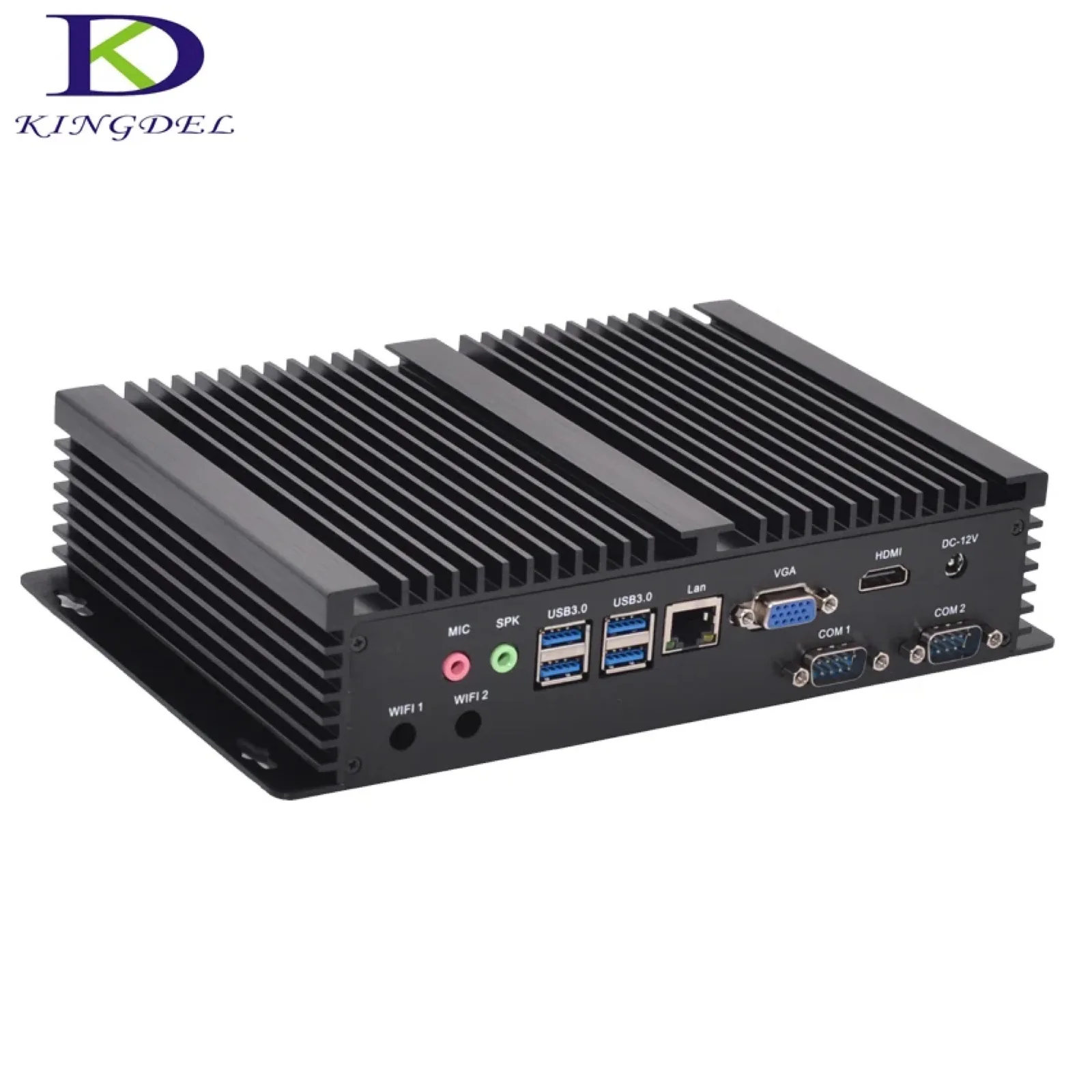
A rigorous engineering audit ensures hardware survives field commissioning:
- Signal Audit: Voltage levels, current draw, sampling frequencies, and noise characteristics.
- Protocol Audit: Master/slave roles, baud rates, parity, register address maps, and query intervals.
- Environmental Audit: Ambient temperature range (-20°C to +70°C), relative humidity, airborne conductive dust, and chemical vapors.
- Mechanical Audit: Available DIN-rail cabinet width, depth clearances, and connector orientations.
- Network Audit: Factory LAN availability, cellular 4G LTE signal coverage inside metal cabinets, and Wi-Fi interference.
- Data Governance Audit: Security encryption standards (TLS 1.3), on-premise firewall restrictions, and local buffer duration requirements.
Industrial IoT Gateway System Architecture
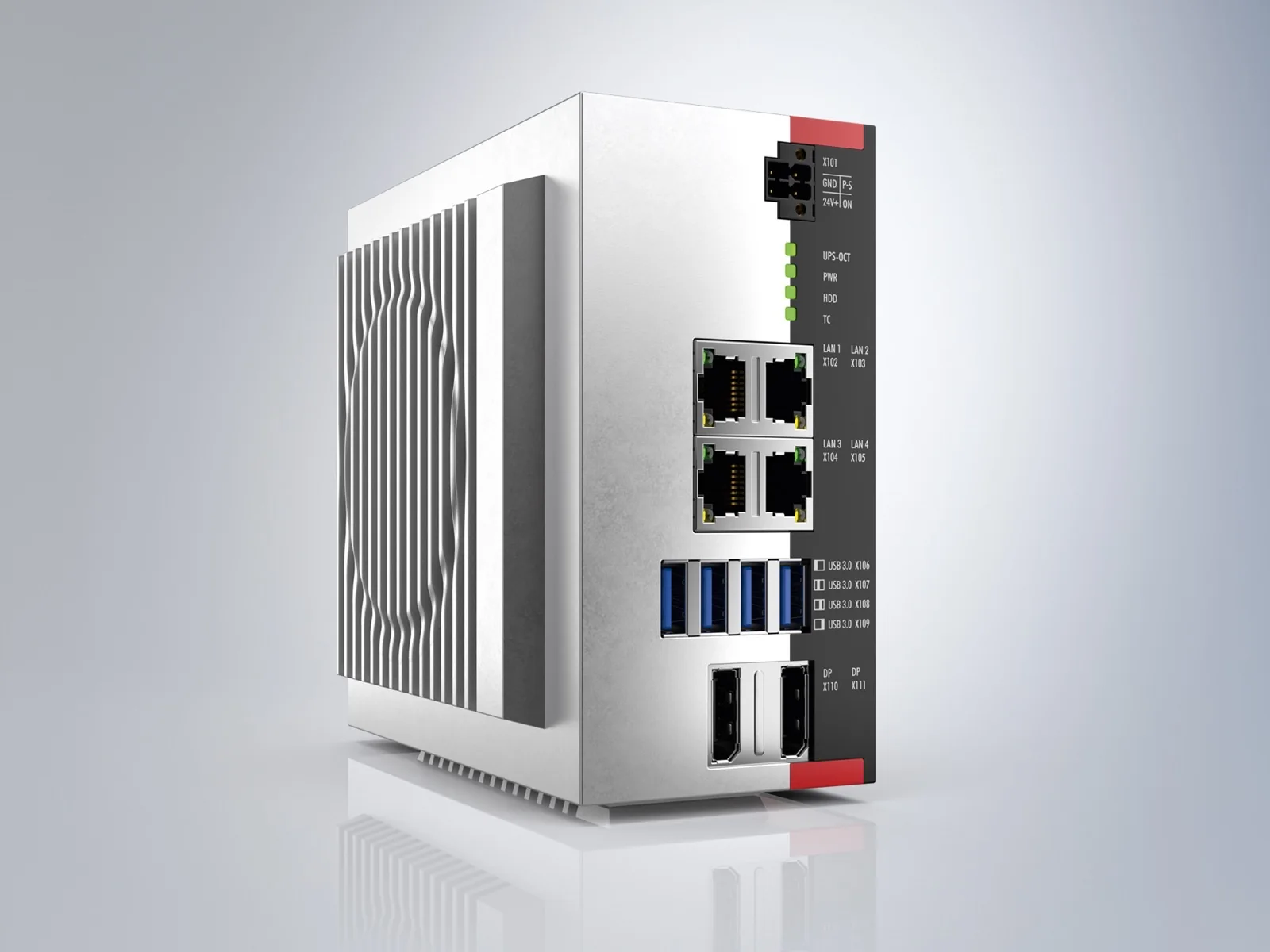
A complete Industrial IoT architecture encompasses three distinct tiers:
- Field Level: Machine PLCs, power meters, environmental sensors, and 24V automation signals.
- Edge Gateway Level: Galvanic isolation, signal conditioning, multi-protocol polling, edge data filtering, and local Flash buffering.
- Enterprise IT Level: On-premise SCADA servers, MES databases, and cloud analytics dashboards.
The Custom IoT Gateway Development Process

DeviceLab guides custom hardware development through a standardized 5-phase engineering lifecycle:
- Requirements & Architecture: Defining PRD specifications, pinouts, component lifecycles, and target unit BOM cost.
- Schematic Capture & Multi-Layer Layout: Engineering isolated power supplies, 2.5kVrms optical isolation, surge suppression, and 4-layer PCB stackups.
- Embedded Firmware Authoring: Authoring modular C/C++ firmware with multi-stage Hardware Watchdogs, fail-safe FOTA updates, and industrial protocol stacks.
- Prototype Fabrication & Environmental Validation: SMT assembly of EVT prototypes, 72-hour thermal chamber stress tests, and EMC pre-compliance screening.
- Pilot & Mass Manufacturing: Designing automated bed-of-nails test fixtures, laser engraving enclosures, and delivering turnkey boxed units.
What Determines Gateway Development Costs?
Non-Recurring Engineering (NRE) fees and prototype budgets depend on:
- Number and variety of physical I/O channels.
- Complexity of proprietary protocol decoding.
- Operating temperature specifications and mechanical ingress protection (IP65/IP67).
- Regulatory certification requirements (QCVN, CE, FCC).
When is a Standalone Gateway Insufficient to Solve the Problem?
When factory issues stem from poor sensor placement, unshielded RS485 cabling running alongside 380V power lines, or improper grounding. A gateway cannot fix corrupted physical signals. Turnkey engineering surveys must audit the entire field wiring ecosystem.
Custom Industrial IoT Gateway Development at DeviceLab
DeviceLab provides end-to-end electronic hardware R&D and manufacturing for industrial automation: * Rugged Hardware Engineering: DIN-rail mountable, 9–36VDC wide input power, 2.5kVrms galvanic isolation, and high-temperature industrial components. * Custom Protocol Firmware: Tailored firmware reading undocumented legacy CNC and PLC communications. * 100% IP Ownership: Complete transfer of schematic files, PCB layout packages, and firmware source code to clients.
Explore our engineering capabilities: Industrial IoT Solutions →
What Should You Prepare Before Submitting an Engineering Request?
To receive a rapid, accurate engineering assessment, prepare:
- Machine and sensor roster (models, quantities, output signal types).
- Target protocols (Modbus, Profinet, CAN, dry contacts).
- Control cabinet installation environment (temperature, space, power supply).
- Upstream network preferences (Ethernet, 4G LTE, Wi-Fi).
- Target production volume and deployment schedule.
Frequently Asked Questions (FAQ)
IoT Gateway công nghiệp là gì?
An Industrial IoT Gateway is an intelligent edge computing device designed to acquire, condition, and translate operational data from industrial machinery, PLCs, and field sensors, securely transmitting normalized telemetry to SCADA, MES, and cloud platforms.
IoT Gateway khác Edge Gateway như thế nào?
A standard IoT Gateway primarily handles protocol translation and data forwarding. An Edge Gateway incorporates significant onboard computing power (ARM Cortex-A or neural processors) to execute advanced algorithms, edge analytics, image recognition, and local closed-loop logic autonomously.
Gateway COTS là gì?
COTS (Commercial Off-The-Shelf) gateways are mass-manufactured, catalog devices featuring fixed hardware interfaces, pre-installed proprietary firmware, and standardized protocols ready for immediate deployment.
Khi nào nên dùng gateway COTS?
When physical interfaces and communication protocols align perfectly with catalog specifications, deployment quantities are small, and time-to-market is measured in days.
Khi nào cần thiết kế IoT Gateway theo yêu cầu?
When dealing with unique I/O combinations, proprietary legacy protocols, extreme environmental heat/noise, local edge control requirements, or large production volumes where custom hardware drastically lowers unit BOM cost.
Có thể dùng gateway COTS với máy cũ không?
Yes, provided the legacy machine outputs standard serial Modbus RTU or 24V dry contacts. If signals are proprietary or undocumented, custom gateway firmware is required.
Gateway Modbus có phải Industrial IoT Gateway không?
A Modbus Gateway is a specific category of Industrial IoT Gateway specialized in converting Modbus RTU serial data into Modbus TCP or MQTT packets.
IoT Gateway có thể kết nối PLC không?
Yes. Gateways connect to PLCs via serial RS485, RS232, or Ethernet, communicating over native protocols such as Siemens S7comm, Mitsubishi MELSEC, Omron FINS, or standard Modbus.
Có thể phát triển gateway RS485 / Modbus theo yêu cầu không?
Yes. DeviceLab regularly designs custom multi-channel RS485 gateways featuring independent optical isolation per port, hardware surge protection, and custom register mapping firmware.
Có thể dùng COTS để PoC rồi phát triển gateway riêng không?
Yes, this is a highly recommended engineering strategy that validates software value before investing in custom hardware tooling.
Chi phí phát triển IoT Gateway công nghiệp phụ thuộc vào gì?
Costs depend on physical I/O channel complexity, protocol decoding requirements, operating temperature ratings, mechanical enclosure tooling, and regulatory certification testing.
DeviceLab có phát triển cả hardware và firmware không?
Yes. DeviceLab delivers turnkey solutions spanning custom schematic/PCB hardware design, embedded firmware authoring, industrial enclosure mechanical modeling, and prototype manufacturing.
Conclusion
COTS and custom-engineered gateways are complementary tools across an enterprise's digital evolution.
COTS provides speed and low risk for early trials and standardized machines. Custom hardware engineering provides competitive advantage, supply chain resilience, and massive cost savings for large-scale deployments.
Consult with DeviceLab on Custom Industrial IoT Gateway Development →