
An Industrial IoT Monitoring Module for Reverse Osmosis (RO / EDI / Ultrafiltration) water treatment plants and HVAC Chiller systems is a specialized edge data acquisition hardware solution enabling water treatment EPC contractors, BOO pure-water operators, and HVAC O&M service providers to track real-time mission-critical parameters—including Electrical Conductivity (EC/TDS), pH, Oxidation-Reduction Potential (ORP), transmembrane differential pressure (ΔP), permeate and reject flow rates, and chiller plant cooling efficiency (COP / kW/RT)—over 4G LTE or Ethernet. Equipping electrical control panels with an industrial datalogger and edge gateway empowers contractors to detect membrane fouling and scaling early, prevent catastrophic high-pressure pump dry-running or chiller evaporator freeze-ups, and automate Clean-In-Place (CIP) chemical washing schedules and consumable replacement alerts.
B2B2B Solution Focus for Water Treatment (RO/DI/WWT) & HVAC Chiller Contractors: This technical engineering guide is part of our Multi-Channel Industrial Datalogger and Remote OEM Industrial Machinery & Control Panel Monitoring series. Explore our hardware specifications for the Multi-Channel 4–20mA + RS485 Telemetry Module (DL-M400 / DL-LOG8), DL-GW200 Industrial Edge Gateway, and White-Label IoT Cloud Platform for O&M Contractors.
⚡ Technical Quick Fact Sheet: IoT Module for Industrial RO Water Skids & HVAC Chiller Plants
- Monitored Parameters for RO / UF / EDI Water Plants: Raw feed and product water Electrical Conductivity
EC/TDS (0–2000 μS/cm & 0.05–20 μS/cm), acidity/alkalinitypH (0–14 pH), Oxidation-Reduction PotentialORP (-1000 to +1000 mV)for free-chlorine breakthrough detection, pre-filter and stage pressuresP1, P2, P3 (0–25 bar), purified permeate & concentrate reject flow ratesFlow Permeate / Reject (m³/h), and dosing chemical tank levelsAntiscalant / NaHSO3 (SMBS) / NaOH / NaOCl. - Monitored Parameters for HVAC Chiller Plants: Chilled Water Supply and Return Temperatures
CHWS / CHWR (°C), Condenser Water Supply and Return TemperaturesCWS / CWR (°C), refrigerant suction/discharge pressures, 3-phase compressor motor currents, chilled-waterFlow Switchinterlock status, and real-time cooling plant energy intensitykW/RT & COP. - Hardware Data Acquisition Interfaces: 8x differential
Analog 4–20mA Inputs (24-bit Sigma-Delta ADC)+ 4x opto-isolatedDigital Inputs / High-Speed Pulse Counters(interfacing pulse water meters & low-level tank floats) + 2x3.0kVrms Galvanically Isolated RS485 Modbus RTU Ports(polling Siemens/Mitsubishi/Delta PLCs, Chiller controllers & smart analytical transmitters). - Industrial Connectivity & Reliability: Autonomous telemetry via
4G LTE Cat-1 / 10/100M EthernetusingMQTT over TLS 1.3, onboard32MB NOR Flash Store-and-Forwardoffline data logger (>100,000 records), wide9–36VDCpower input with reverse-polarity and EFT surge protection, operating across-20°C to +70°C.
📌 Direct Commercial ROI for Water Treatment EPCs & HVAC Mechanical Contractors:
- Eliminate Warranty Claims from Premature RO Membrane Fouling or Chlorine Oxidation: Receive instant alarms when transmembrane differential pressure exceeds
ΔP > 2.5 bar, when ORP spikes above250 mV, or when the Antiscalant chemical dosing drum runs low—avoiding tens of thousands of dollars in unbudgeted membrane replacement liabilities during the warranty period. - Grow Recurring Aftermarket Consumable & Chemical Sales by 40%: Automatically accumulate total filtered water volume (
m³) and operating hours to trigger branded customer notifications for 5μm PP cartridge filters, activated carbon, ion-exchange resins, UV sterilizer lamps, and CIP cleaning chemicals right on schedule. - Digitize Pure-Water BOO & Cooling-as-a-Service (CaaS) Billing: Automatically capture electromagnetic flow totalizers, BTU thermal energy meters, and 3-phase kWh submeters at 00:00 on the 1st of every month to generate auditable, dispute-free settlement invoices for industrial factory clients.
- Slash Routine Field Inspection Travel Costs by 65%: View live P&ID mimic diagrams displaying pump states, solenoid valves, stage pressures, and water quality trends on a smartphone or web portal before dispatching service technicians to remote industrial parks.
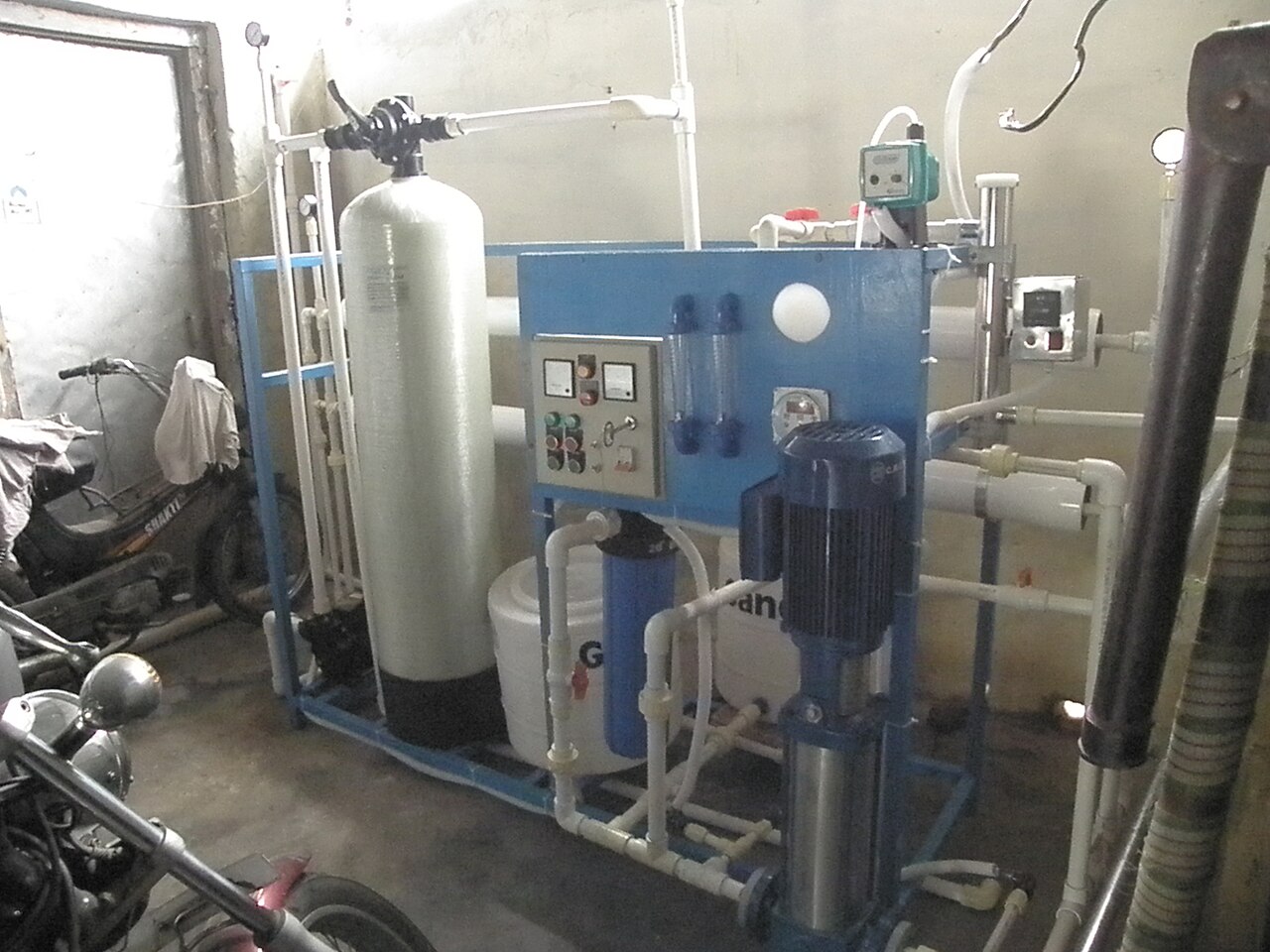
Operational & Maintenance (O&M) Pain Points Facing Industrial RO Water & Chiller Contractors
An industrial Reverse Osmosis purification system rated at 5 m³/h to 100 m³/h (supplying demineralized feedwater for high-pressure steam boilers, GMP pharmaceutical manufacturing, food and beverage processing, or semiconductor/electronics rinsing) or a central water-cooled HVAC Chiller plant rated at 200 RT to 1,000 RT operates continuously around the clock. However, these utility skids are almost always installed in isolated, unmanned areas—such as back-of-plant utility sheds, mechanical mezzanines, or deep underground basements. Water EPC contractors, O&M service providers, and BOO water station investors routinely confront four severe operational failure modes that erode profitability:
- Irreversible RO Membrane Scaling and Fouling Due to Delayed Clean-In-Place (CIP): According to the strict engineering operation manuals published by global membrane manufacturers such as DuPont FilmTec, Hydranautics (Nitto), and Toray, an RO membrane array must undergo chemical Clean-In-Place (CIP) washing immediately whenever temperature-normalized permeate flow drops by 10% to 15% or normalized stage differential pressure (ΔP) increases by 15% to 20% above its initial commissioning baseline. In practice, at over 90% of factories relying on manual paper logbooks, local operators either skip daily pressure logging or fabricate numbers on the clipboard. By the time the factory calls the water contractor complaining that pure water production has fallen short of factory demand, calcium carbonate (CaCO3), calcium sulfate (CaSO4), barium sulfate, and polymerized silica scales have already crystallized permanently inside the feed spacer channels, forcing a complete replacement of the entire RO membrane bank costing thousands of dollars.
- Chemical Dosing Pump Dry-Running, Air-Locking, or Check-Valve Blockage: If the chemical dosing tank for sodium metabisulfite (NaHSO3 — SMBS for dechlorination) or polymer Antiscalant runs dry for just 48 hours without a low-level telemetry alarm—or if the dosing pump's suction foot valve clogs with crystal sediment—residual free chlorine from municipal or surface water treatment will pass straight through the multimedia and activated carbon filters into the RO vessels. Free chlorine rapidly attacks and cleaves the cross-linked polyamide thin-film composite (TFC) barrier layer of the RO membranes, causing permeate Electrical Conductivity (EC/TDS) to skyrocket from
5 μS/cmto150 μS/cmwithin hours. - Chiller Evaporator Freeze-Up Rupture and Condenser Tube Scaling Degradation: In an industrial water-cooled Chiller plant, if chilled-water circulation flow drops (due to a clogged Y-strainer or a failing primary pump) while the mechanical paddle Flow Switch is stuck closed by scale buildup, the refrigerant boiling inside the shell-and-tube evaporator rapidly chills the stagnant water below
2°C. Ice formation expands and cracks the internal copper evaporator tubes, allowing water to flood the refrigerant circuit and destroying the expensive semi-hermetic screw or centrifugal compressor. Simultaneously, unmonitored bio-slime and mineral scaling inside the condenser tubes raise the Condenser Approach Temperature above3.5°C – 5.0°C, silently increasing compressor electrical power consumption by 15% to 25% per ton of cooling. - Loss of High-Margin Aftermarket Consumables & Maintenance Revenue to Third-Party Vendors: Once the initial 12-month project warranty expires on a newly handed-over RO water plant or HVAC chiller room, an EPC contractor without an embedded IoT telemetry link is completely blind to the plant's real-time operating hours and water quality degradation. Factory purchasing departments frequently hire low-cost local handymen to supply generic filter cartridges, uncertified membrane chemicals, or refrigerant top-ups—depriving the original engineering contractor of lucrative, long-term O&M lifecycle revenue.
Hardware Connection Architecture: IoT Monitoring Module for RO / EDI Skids & Chiller Plants
To capture both continuous analog signals from electrochemical/physical field transmitters and digital register tables from central PLC or Chiller controllers—without having to rewrite locked third-party PLC ladder programs or rewire existing relay logic—DeviceLab's B2B2B hardware architecture combines 24-bit Isolated Analog 4–20mA Inputs + High-Speed Digital/Pulse Counters + Dual Isolated RS485 Modbus RTU Masters inside a compact DIN-rail footprint:
| HARDWARE ARCHITECTURE: IOT TELEMETRY MODULE FOR INDUSTRIAL RO WATER & HVAC CHILLER PLANTS |
+--------------------------------------------------------------------------------------------------+
|
| [TIER 1: FIELD WATER QUALITY INSTRUMENTATION & CHILLER CONTROLLERS (FIELD LAYER)]
| +-----------------------------------------+ +---------------------------------------------+
| | INDUSTRIAL RO / UF / EDI WATER SKID | | HVAC CHILLER & COOLING TOWER PLANT |
| | • 2-Stage EC/TDS Sensors (4-20mA/RS485) | | • Chiller Unit Controller (Modbus/BACnet) |
| | • Isolated pH / ORP Transmitters | | • PT100 / 4-20mA Temperature Sensors: |
| | • Pressure Transmitters: P_in, P_ro, P_c| | CHWS, CHWR, CWS, CWR Header Pipes |
| | • Magflow / Turbine Pulse Flow Meters | | • 3-Phase Power Meters (Compressor & Pumps) |
| +--------------------+--------------------+ +----------------------+----------------------+
| | |
| +================+===============================+
| |
| v
| [TIER 2: EDGE DATA ACQUISITION & COMPUTING (DEVICELAB DL-M400 / DL-LOG8 / DL-GW200)]
| +--------------------------------------------------------------------------------------------+
| | • 8x Differential 4-20mA Analog Inputs (24-bit Sigma-Delta ADC, water leakage isolation) |
| | • 4x Opto-Isolated Digital Inputs / High-Speed Pulse Counters (flow meters & tank floats) |
| | • 2x 3.0kV Isolated RS485 Modbus RTU Masters (polling S7-1200 / FX3U / VFDs / Power Meters)|
| | • Edge Computing Engine: Real-time ΔP, ASTM D4516 Normalized Flow, Recovery % & Plant kW/RT|
| +---------------------------------------------+----------------------------------------------+
| | (4G LTE Cat-1 / Ethernet LAN - MQTT TLS 1.3)
| v
| [TIER 3: WHITE-LABEL CLOUD PLATFORM FOR WATER TREATMENT EPCs & HVAC O&M CONTRACTORS]
| +--------------------------------------------------------------------------------------------+
| | • Interactive P&ID Web Scada & Multi-Axis Trend Charts (ΔP, Normalized Flow, TDS, kW/RT) |
| | • Instant Multi-Channel Alerts via Zalo OA / Telegram / Email / Webhook on TDS or ΔP Spike |
| | • Automated Filter/Membrane Replacement Reminders, Chemical Level Tracking & BOO Billing |
| +--------------------------------------------------------------------------------------------+
+--------------------------------------------------------------------------------------------------+
Comprehensive KPI Specification Table & Edge Analytics Mathematical Formulas
Unlike basic transparent serial modems that merely forward raw unscaled milliamp values to the cloud, the DeviceLab DL-M400 / DL-LOG8 Datalogger and DL-GW200 Edge Gateway feature an embedded Edge Math & Normalization Engine. This engine converts raw sensor currents and Modbus registers into actionable diagnostic Key Performance Indicators (KPIs) evaluating RO membrane health and Chiller thermodynamic efficiency in real time:
| System Subsystem | Engineering KPI Parameter | Signal Interface & Typical Measurement Range | Edge Calculation Formula & Early-Warning Alarm Thresholds |
|---|---|---|---|
| Industrial RO / UF / EDI Water Treatment Skid | Cartridge Pre-Filter & RO Membrane Differential Pressure (ΔP) |
3x Piezoresistive Pressure Transmitters 4–20mA (0–10 bar for LP cartridge filter, 0–25 bar for HP RO feed & concentrate) |
ΔP_RO = P_feed - P_reject.Triggers Warning Alarm when ΔP_RO rises > 15% above initial commissioning baseline (schedule CIP membrane wash); Cartridge Filter alarm when ΔP_cartridge > 1.2 bar. |
Pure Water Recovery Rate (Recovery Rate %) |
2x Electromagnetic or Paddlewheel Turbine Flow Meters (4–20mA, RS485, or Open-Collector Pulse) |
Recovery (%) = [Q_permeate / (Q_permeate + Q_reject)] × 100%.Alerts if recovery drifts outside the membrane array design window (typically 65% – 75% for single-stage brackish RO) to prevent silica/calcium precipitation. |
|
Electrical Conductivity & Salt Rejection (Salt Rejection %) |
2x Temperature-Compensated EC/TDS Transmitters on Feed & Permeate lines (0–2000 μS/cm & 0–20 μS/cm) |
Rejection (%) = [1 - (EC_permeate / EC_feed)] × 100%.Triggers Critical Alarm when Rejection < 97.0% or when EC_permeate exceeds Pharmacopoeia / Boiler feedwater conductivity limits. |
|
Oxidation-Reduction Potential ORP (Free Chlorine Guard) |
Industrial Platinum ORP 4–20mA Electrode installed downstream of Activated Carbon Filter / NaHSO3 dosing point |
Range: -1000 to +1000 mV.Triggers Emergency Interlock (trips RO high-pressure pump via relay DO) if ORP > 250 mV, preventing oxidative destruction of polyamide RO membranes by residual chlorine. |
|
Chemical Dosing Tank Inventory (Antiscalant / SMBS / NaOH) |
Multi-point Digital Dry-Contact Float Switch or non-contact Ultrasonic Level Sensor 4–20mA |
Dispatches a Pre-Warning 72 hours before chemical depletion so the O&M contractor's logistics team can deliver replacement chemical drums on time. | |
| Industrial HVAC Chiller & Cooling Tower Plant | Chilled-Water Temperature Differential (ΔT Chilled Water) |
2x Matched 4-Wire PT100 Class A RTD Sensors (with 4–20mA Head Transmitters scaled 0–50°C) |
ΔT = T_return - T_supply (Standard ARI design: 5.0°C, e.g., 12.0°C / 7.0°C).Flags Low ΔT Syndrome when ΔT < 2.5°C, identifying bypassed 3-way AHU valves or over-pumping that wastes chilled-water pump energy. |
Condenser Heat-Exchanger Approach (Condenser Approach °C) |
Polled via RS485 Modbus RTU from Chiller Unit Controller (Trane, Carrier, York, Daikin, McQuay) |
T_approach = T_saturated_condensing - T_leaving_condenser_water.When T_approach > 3.5°C, triggers a maintenance ticket for shell-and-tube condenser mechanical tube brushing or chemical descaling. |
|
Specific Chiller Plant Power Efficiency (System kW/RT & COP) |
Electromagnetic Chilled-Water Flow Meter Q (m³/h) + ΔT + 3-Phase Modbus Power Meters P_total_kW |
Cooling_RT = (Q × 1000 × 4.186 × ΔT) / (3600 × 3.517).Efficiency = P_total_kW / Cooling_RT (High-efficiency benchmark: 0.60 – 0.85 kW/RT). |
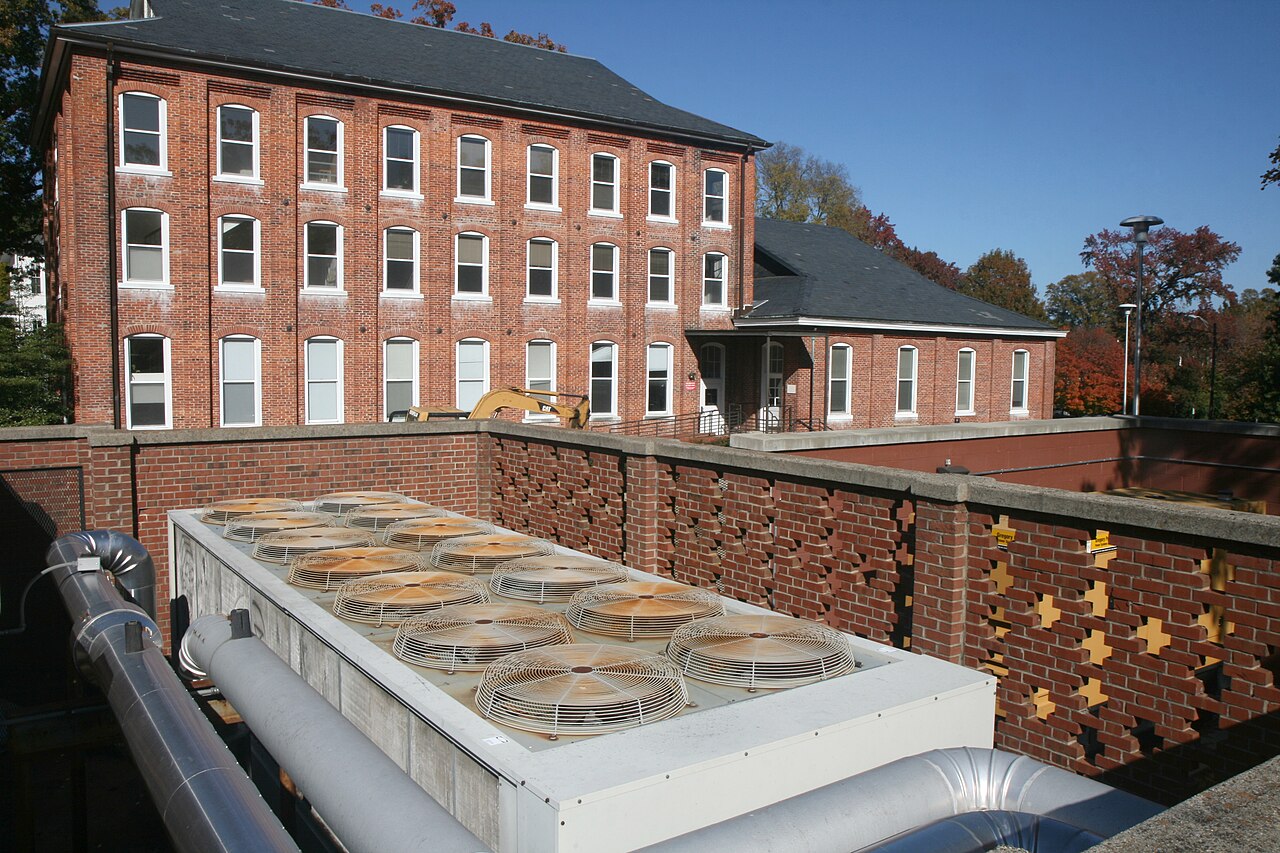
Edge MQTT JSON Telemetry Payload & ASTM D4516 RO Flow Normalization Algorithm
One of the most frequent analytical mistakes in generic SCADA dashboards is diagnosing RO membrane fouling solely by looking at raw permeate flow rate (Raw Permeate Flow m³/h). In physical reality, the dynamic viscosity of water varies steeply with temperature: for every 1°C drop in feedwater temperature during winter months or night shifts, water flux permeating through the RO polyamide membrane naturally decreases by 2.5% to 3.0% even when the membrane surface is 100% clean! To eliminate false fouling alarms, the embedded firmware inside the DeviceLab DL-GW200 Edge Gateway computes the ASTM D4516 Temperature Correction Factor (TCF = exp[2640 × (1/298.15 - 1/(T_water + 273.15))]) and Net Driving Pressure (NDP) in real time, publishing a fully normalized JSON payload to the contractor's Cloud Broker:
// Standardized MQTT JSON Telemetry Payload from DeviceLab DL-GW200 (Topic: partner/water-epc/site-ro-08/telemetry)
{
  "device_id": "DL-GW200-RO-8821",
  "timestamp": "2026-10-18T14:30:00Z",
  "ro_stage_1": {
    "feed_pressure_bar": 12.45,
    "reject_pressure_bar": 10.15,
    "differential_pressure_bar": 2.30,
    "permeate_flow_m3h": 14.80,
    "reject_flow_m3h": 5.20,
    "recovery_rate_pct": 74.0,
    "water_temp_c": 28.4,
    "normalized_permeate_flow_m3h": 13.48,
    "feed_conductivity_us_cm": 485.0,
    "permeate_conductivity_us_cm": 6.2,
    "salt_rejection_pct": 98.72,
    "feed_ph": 7.15,
    "feed_orp_mv": 145.0
  },
  "chemical_tanks": {
    "antiscalant_level_low": false,
    "smbs_level_low": false,
    "cip_cycle_counter": 4,
    "total_permeate_volume_m3": 42850.6
  },
  "alarms": {
    "high_dp_cip_required": false,
    "high_orp_chlorine_warning": false,
    "high_pressure_pump_overload": false
  }
}Classic Field Engineering Bottleneck: Eliminating Ground-Loop Noise on Inline pH, ORP & Conductivity Probes
When commissioning online instrumentation for industrial RO water skids, EDI polishing loops, or HVAC cooling tower blowdown controllers, field engineers frequently encounter a baffling phenomenon: when the pH or EC electrode is removed from the pipe and dipped into a plastic beaker of water on the workbench, the reading is rock-solid and 100% accurate; yet the instant the sensor is threaded back into the live PVC or stainless-steel process pipeline while the high-pressure VFD pump is running, the pH value jumps wildly from 7.0 to 11.5 or plummets to 2.4!
🔍 Root-Cause Physics & DeviceLab's 3-Step Galvanic Isolation Cure:
A glass pH measurement electrode is fundamentally a delicate electrochemical battery generating a millivolt signal (±414 mV at 59.16 mV/pH) across a glass bulb with an internal source impedance of 100 MΩ to 1,000 MΩ. Inside an industrial water pipe, capacitive common-mode leakage currents from VFD-driven pump motors and ground potential differences between the wet piping network and the 0VDC (GND) terminal of the panel's 24VDC switch-mode power supply drive a parasitic current right through the conductive water column into the pH sensor's Ag/AgCl reference junction.
- 3-Port Galvanic Isolation on 4–20mA Loops (Input / Output / Power Isolation): Connect pH, ORP, and EC transmitters through differential analog channels or dedicated 3-port galvanic 4–20mA signal isolators (rated at
1.5kV – 3.0kVrms) so there is zero DC ohmic path between the wet sensor circuit and the PLC/Datalogger's0VDCpower rail. See our detailed guide on 2-Wire, 3-Wire & 4-Wire 4–20mA Sensor Wiring and Ground-Loop Suppression. - Install a Dedicated Liquid Earth / Solution Ground Rod in uPVC Piping: Because uPVC, PPR, and PVDF pipes used in RO skids are electrical insulators, stray VFD currents remain trapped inside the water stream. Install a 316L stainless-steel grounding tee or titanium grounding ring in direct contact with the water within 15cm of the pH/ORP flow cell, and bond it with a
4mm²green/yellow copper wire directly to the instrumentation earth bar—draining all electrostatic and high-frequency VFD leakage currents safely to earth before they reach the pH reference electrode. - 24-Bit Sigma-Delta ADC with 50Hz/60Hz Notch & Moving Median Filtering: The analog front-end on the DeviceLab DL-M400 / DL-LOG8 combines hardware RC low-pass anti-aliasing filters with a digital 50Hz power-line rejection notch filter and a sliding-window median algorithm, stripping out 100% of transient spikes caused by solenoid valve switching and diaphragm dosing pump strokes.
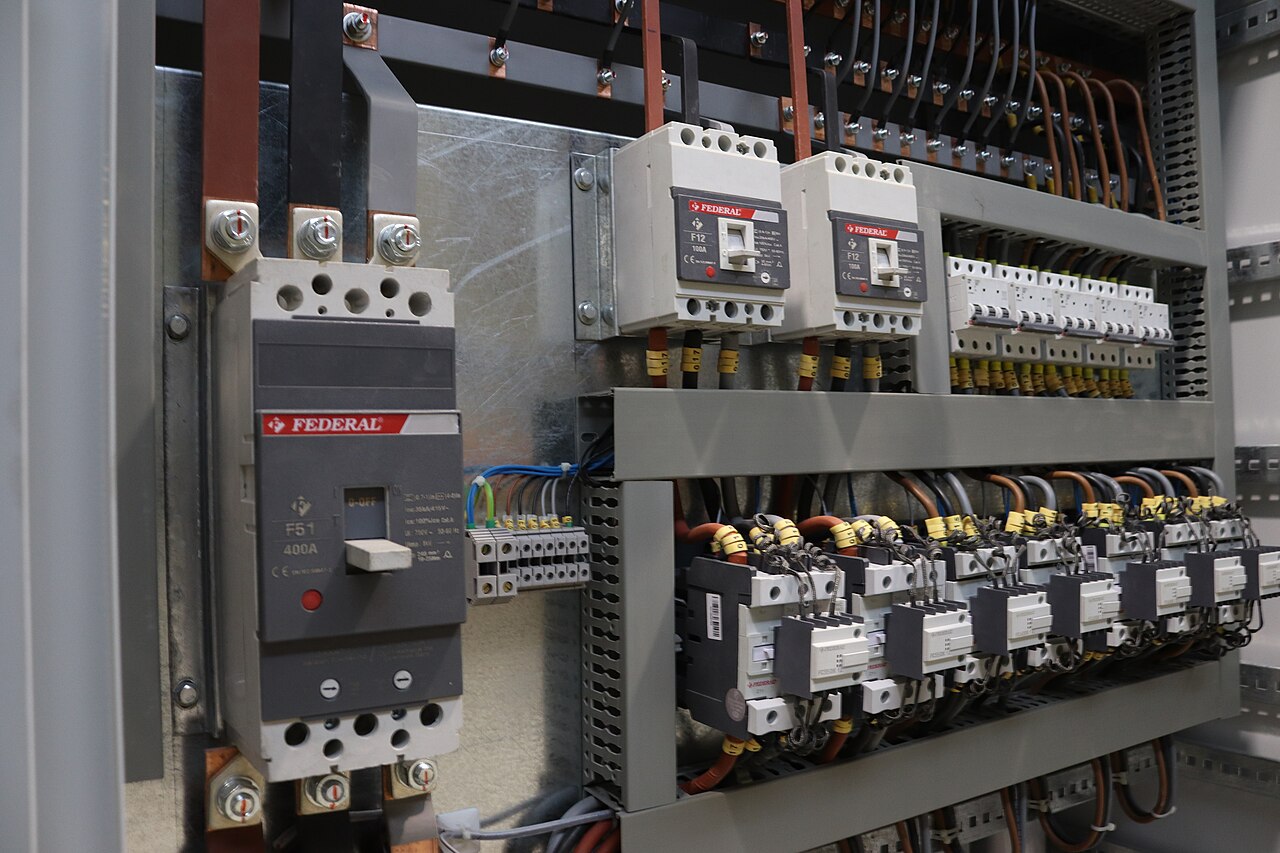
Architecture Comparison: 3 Approaches to Monitoring Industrial RO Water & Chiller Plants
The engineering comparison matrix below helps environmental engineering firms, water treatment EPC contractors, and HVAC mechanical service providers select the optimal telemetry architecture for both new turnkey installations and brownfield retrofit projects:
| Evaluation Criterion | Manual Operator Paper Logbooks on Site | Consumer Cloud HMI Connected via Factory IT LAN/Wi-Fi | DeviceLab DL-M400 / DL-LOG8 + DL-GW200 (Independent 4G + White-Label) |
|---|---|---|---|
| Early Detection of RO Membrane Fouling (ΔP) & Chlorine Breakthrough | Delayed by days or weeks; usually discovered only after membranes are permanently ruined | Supports basic threshold alarms, but goes offline whenever factory IT updates firewall rules or Wi-Fi passwords | Sub-3-second alerts over independent 4G LTE; computes ASTM D4516 temperature-normalized permeate flow at the edge |
| Compatibility with Legacy Relay Panels or Password-Locked PLCs | Zero automation capability | Impossible to deploy if the original vendor locked the PLC program or used hardwired relay logic | Non-intrusive retrofit: wires directly to 4–20mA transmitters, pulse meters, and contactor auxiliary contacts without touching the old PLC |
| Offline Data Preservation During Network Dropouts (Store-and-Forward) | None (unmonitored during nights, weekends, and holidays) | Leaves permanent gaps in historical water quality and billing charts during internet outages | Buffers >100,000 timestamped records in 32MB industrial NOR Flash and automatically backfills the cloud upon reconnection |
| Brand Identity Presented to the End-User Factory Owner | No technological differentiation during EPC tender evaluations | Displays third-party foreign HMI manufacturer logos and generic cloud domains | 100% Custom White-Label Portal with the Water EPC or HVAC Contractor's own Logo, Domain Name, and Brand Identity |
Pre-Installation Field Survey Checklist for Industrial RO Skids & Chiller Plant Rooms
- Step 1 — Audit Existing Control Architecture inside the RO / Chiller Cabinet: Determine whether the skid is controlled by conventional electromechanical relay logic, a dedicated RO microcontroller board (e.g., Createc, ROC-2015/3015), or an industrial PLC (Siemens S7-1200, Mitsubishi FX3U/FX5U, Delta DVP, Omron CP1E). If the PLC or Chiller controller exposes an open RS485 Modbus RTU port, deploy the DeviceLab DL-GW200 to poll the full register map directly. If the PLC is password-locked or the panel uses hardwired relays, deploy the DL-M400 / DL-LOG8 to acquire 4–20mA analog loops, pulse flow meters, and 24VDC pump/alarm statuses directly.
- Step 2 — Inspect Output Interfaces on Existing Conductivity (EC/TDS), pH, and ORP Controllers: Check the rear terminal block of panel-mounted analytical instruments (such as Createc CCT-3320V, Supmea SUP-TDS210-B, SUP-PH6.0, Horiba, or Endress+Hauser Liquiline) to verify whether isolated
4–20mA current outputsorRS485 Modbus (A+/B-)terminals are available. - Step 3 — Identify Mechanical Tap Points for Electronic Pressure Transmitters (4–20mA): If an older RO skid only has glycerin-filled mechanical Bourdon pressure gauges, install 304/316L stainless-steel tee manifolds (
G1/4"or1/4" NPTfemale threads) at three critical locations—pre-cartridge filter inlet, post-high-pressure pump (RO Stage 1 feed), and concentrate reject manifold—so piezoresistive4–20mApressure transmitters can be mounted alongside the existing dial gauges without shutting down piping modifications. - Step 4 — Verify External 4G LTE Antenna Routing & Signal Strength: Never leave a cellular antenna sealed inside a grounded steel electrical enclosure (Faraday cage). Use a magnetic-mount SMA antenna placed on top of the cabinet or routed via low-loss coaxial cable to a corridor window to ensure cellular signal strength exceeds
RSSI > -85 dBm, or connect the gateway's RJ45 port to the utility room's secondary Ethernet switch.
Partnering with Water Treatment (RO/EDI/WWT) & HVAC Chiller Contractors Across Vietnam
DeviceLab supplies industrial Multi-Channel 4–20mA + RS485 Dataloggers (DL-M400 / DL-LOG8), DL-GW200 Edge Gateways, and a turnkey White-Label Water & Chiller O&M Cloud Platform branded under your company's own name and domain. Strengthen your technical scoring in EPC tenders, automate preventive maintenance contracts, and lock in 100% of recurring membrane, filter cartridge, and chemical revenue.
Field Engineering Frequently Asked Questions (Technical FAQ & B2B2B Partnership)
❓ How does an industrial IoT monitoring module for Reverse Osmosis (RO) water treatment plants and HVAC Chiller systems work?
An industrial IoT monitoring module for Reverse Osmosis (RO) water treatment plants and HVAC Chiller systems (such as the DeviceLab DL-GW200 Edge Gateway, DL-M400, or DL-LOG8 Multi-Channel Datalogger) is a rugged DIN-rail hardware device installed inside the electrical control cabinet. It simultaneously acquires real-time physical and chemical process signals from water quality instrumentation—including Electrical Conductivity (EC/TDS via 4–20mA or RS485), pH, Oxidation-Reduction Potential (ORP), pre-filter and transmembrane pressures (feed, interstage, concentrate/reject), and permeate/reject electromagnetic flow meters—while polling internal PLC or Chiller microprocessor registers via Modbus RTU/TCP. The edge device computes normalized performance KPIs locally and streams TLS-encrypted MQTT JSON telemetry over 4G LTE or Ethernet to a White-Label Cloud platform for early membrane fouling alarms and automated maintenance dispatch.
❓ How can an IoT system detect early-stage RO membrane scaling and biological fouling before permanent damage occurs?
Instead of waiting until raw permeate flow drops catastrophically before scheduling a chemical Clean-In-Place (CIP) wash, the DeviceLab edge telemetry system continuously tracks two golden diagnostic indicators recommended by DuPont FilmTec and Hydranautics: Transmembrane Differential Pressure (ΔP = P_feed - P_concentrate) across each membrane stage and ASTM D4516 Temperature-Normalized Permeate Flow & Salt Rejection. Because water viscosity changes by roughly 2.5–3.0% per °C, raw flow fluctuates with seasonal water temperature. By normalizing flow to a 25°C reference at the edge, the gateway immediately triggers a Zalo OA, Telegram, Email, or REST Webhook alert as soon as ΔP rises more than 15% above the commissioning baseline or normalized permeate conductivity exceeds threshold (e.g., >10 µS/cm), enabling the water contractor to execute timely CIP washing and extend RO membrane lifespan by 30–50%.
❓ Why do pH and Electrical Conductivity (EC/TDS) sensor readings in industrial RO skids fluctuate erratically whenever the high-pressure pump starts?
Electrochemical pH glass electrodes have an extremely high internal impedance (>100 MΩ to 1,000 MΩ) and EC conductivity cells are in direct galvanic contact with the flowing water column. When a Variable Frequency Drive (VFD) powers the vertical multistage high-pressure RO pump, high-frequency common-mode leakage currents couple through the motor windings into the water stream and travel back through the sensor probe into the transmitter's 0VDC reference. This creates a parasitic Ground Loop between the piping earth and the cabinet's 24VDC switch-mode power supply, causing pH readings to jump erratically by ±1.5 pH or TDS values to drift by 30%. The definitive engineering cure combines 3-port galvanic signal isolation (Input/Output/Power isolation at 1.5kV–3.0kVrms), differential 24-bit Sigma-Delta 4–20mA analog inputs on the DeviceLab datalogger, and a 316L stainless-steel Solution Ground fitting bonded directly to the instrumentation earth rod.
❓ Can the DeviceLab IoT module read native microprocessor controllers on commercial and industrial Chillers (Trane, Carrier, York, Daikin, McQuay, Kuen Ling)?
Yes, seamlessly. Virtually all modern water-cooled and air-cooled industrial Chiller plants feature built-in RS485 Modbus RTU, Modbus TCP, or BACnet MS/TP communication interfaces on their main unit controllers (or onboard Siemens S7-1200, Carel pCO, or Danfoss MCX PLCs). The DeviceLab DL-GW200 Edge Gateway polls real-time Chilled Water Supply and Return Temperatures (CHWS/CHWR), Condenser Water Supply and Return Temperatures (CWS/CWR), compressor phase currents, refrigerant suction/discharge saturated pressures, evaporator/condenser approach temperatures, flow switch statuses, and manufacturer-specific diagnostic alarm codes—calculating real-time cooling tonnage (RT) and plant energy efficiency (COP and kW/RT) directly at the edge.
❓ How does the IoT module transmit data reliably when the RO water room or Chiller plant is located in a deep basement (B2/B3) with weak 4G cellular reception?
For RO purification skids, booster pump rooms, and central Chiller plants installed in reinforced-concrete basements (B2/B3) or enclosed metal utility buildings with heavy RF attenuation, the DeviceLab DL-GW200 and DL-M400 feature industrial threaded SMA antenna connectors. Technicians can route a 5-meter to 15-meter low-loss LMR-200 coaxial extension cable to mount a high-gain magnetic-base 4G LTE / NB-IoT antenna inside a riser shaft or ventilated corridor, or fail over automatically to the building's wired RJ45 Ethernet LAN. Furthermore, the onboard 32MB industrial NOR Flash memory provides autonomous Store-and-Forward buffering for over 100,000 timestamped telemetry records during any network outage, synchronizing the complete historical curve once connectivity resumes.
❓ What partnership model does DeviceLab offer to Water Treatment EPC/O&M Contractors, BOO Pure-Water Operators, and HVAC Chiller Service Companies?
DeviceLab operates strictly as a B2B2B OEM Hardware and White-Label Platform partner. We supply industrial DIN-rail IoT gateways and multi-channel dataloggers alongside a customizable White-Label Web & Mobile O&M Portal running on the contractor's own domain name and brand identity. Water and HVAC contractors retain 100% ownership of consumable replacement alerts (5µm sediment cartridges, RO membranes, EDI modules, ion-exchange resins, UV lamps, and Antiscalant/CIP chemicals), Annual Maintenance Contracts (AMC), and Build-Own-Operate (BOO) billing per cubic meter of purified water or ton-hour of cooling—while DeviceLab backs the hardware warranty and signs strict non-circumvention agreements protecting your end-customer factory list.
Related Technical Articles & Engineering Guides
Deepen your engineering knowledge with practical guides from DeviceLab engineers:

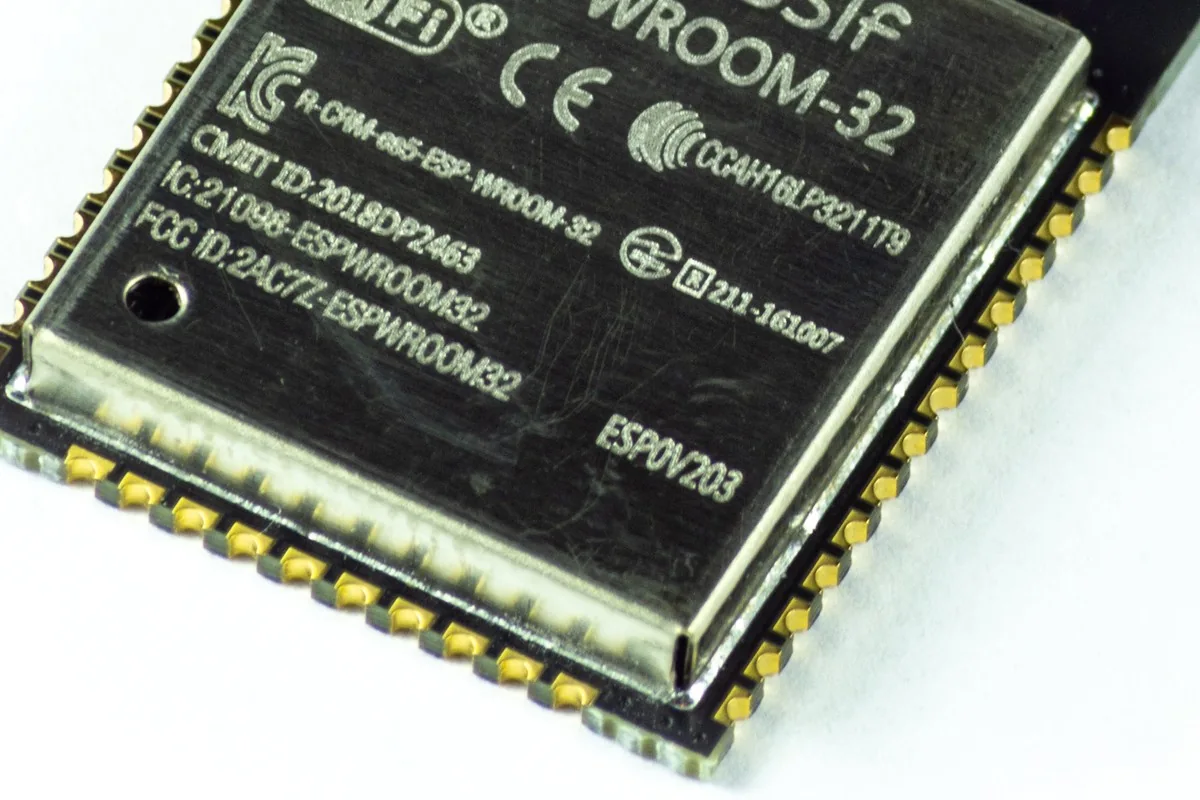
Recommended Industrial IoT Hardware & OEM Solutions
Standardized industrial-grade devices engineered and mass-produced by DeviceLab Vietnam:
Need custom Industrial IoT gateways or telemetry hardware?
Describe your field machinery, PLC signals, and required data streams. DeviceLab will determine the right path: COTS, Hybrid, or custom gateway development.
Start from PoC scope and architecture — no need to lock gateway models beforehand.