
Automated Scope 2 energy submetering hardware is the mandatory physical measurement infrastructure that enables Greenhouse Gas (GHG) Inventory Consulting Firms, Energy Service Companies (ESCOs), and M&E Contractors to capture audit-grade, line-level electricity consumption telemetry in compliance with Vietnam Prime Minister's Decision 42/2026/QÐ-TTg, Decree 06/2022/NÐ-CP, ISO 14064-1:2018, ISO 50001:2018, and the European Union's Carbon Border Adjustment Mechanism (EU CBAM). Rather than manually keying monthly utility bills into static Excel spreadsheets—which fails to disaggregate export production lines or prove real-time rooftop solar self-consumption—equipping your consulting practice with DeviceLab's non-intrusive Split-Core CT submetering kits, 32MB flash-buffered Edge Gateways, and a 100% White-Label EMS Cloud Portal transforms one-off consulting engagements into high-margin recurring hardware + SaaS contracts.
B2B2B Partnership Focus for GHG Inventory Consultants, ESCOs & M&E Contractors: Explore our partner hardware ecosystem at Automated Energy Submetering Hardware & White-Label EMS for Partners, Custom-Branded White-Label IoT/EMS Platform, and our regulatory deep dive on Automated Energy Metering for GHG Inventory under Decision 42/2026.
⚡ Technical Quick Fact Sheet — Automated Scope 2 GHG Submetering Infrastructure:
- Regulatory & Verification Standards: Vietnam Decision 42/2026/QÐ-TTg, Decree 06/2022/NÐ-CP, Circular 01/2022/TT-BTNMT, international standards
ISO 14064-1:2018,ISO 14067 (Product Carbon Footprint),ISO 50001:2018, andEU CBAM Implementing Regulation (EU) 2023/1773. - Non-Intrusive Live Installation Technology: Hinged
Split-Core Current Transformers (100A to 1,500A, Class 0.5 / 1.0)snap around live 3-phase feeder cables in 30 minutes with zero plant downtime. - Audit-Grade Raw Data Integrity (Audit Trail): The DeviceLab DL-GW200 Edge Gateway buffers
>100,000 RTC-timestamped kWh recordsinside 32MB SPI NOR Flash memory, guaranteeing 100% automatic backfill after internet outages. - Turnkey B2B2B Partner Model: Includes Portable ESCO Energy Audit Suitcases, Permanent DIN-Rail Submetering Kits, and a White-Label EMS & Carbon Portal under the consultant's own brand—backed by a 100% Non-Compete Guarantee.
📌 Strategic Commercial & Technical Value for GHG Consulting Firms & ESCOs:
- Transform One-Off Consulting Fees into Recurring Annual Revenue (ARR): Instead of competing on low-margin, once-a-year manual report writing, consulting firms bundle "Automated Scope 2 Submetering Hardware + Custom-Branded Carbon/EMS Cloud Subscription" to lock in multi-year client retention.
- Satisfy Strict EU CBAM Embedded Emissions & PCF Requirements: Isolate exact kWh consumption per tonne of exported product SKU (Specific Energy Consumption — SEC) across dedicated manufacturing lines.
- Automate Real-Time Reconciliation Between Rooftop Solar and EVN Grid Imports: Synchronously meter the main substation incomer, solar inverter tie-in breakers, and backup diesel generators (Scope 1 cross-check).
- Instant Hardware R&D Back-Office Without Hiring an Electronics Team: Environmental and energy consulting firms do not need to build PCB assemblies or maintain an IoT software team—DeviceLab delivers turnkey, pre-provisioned hardware and white-label cloud infrastructure under your corporate identity.
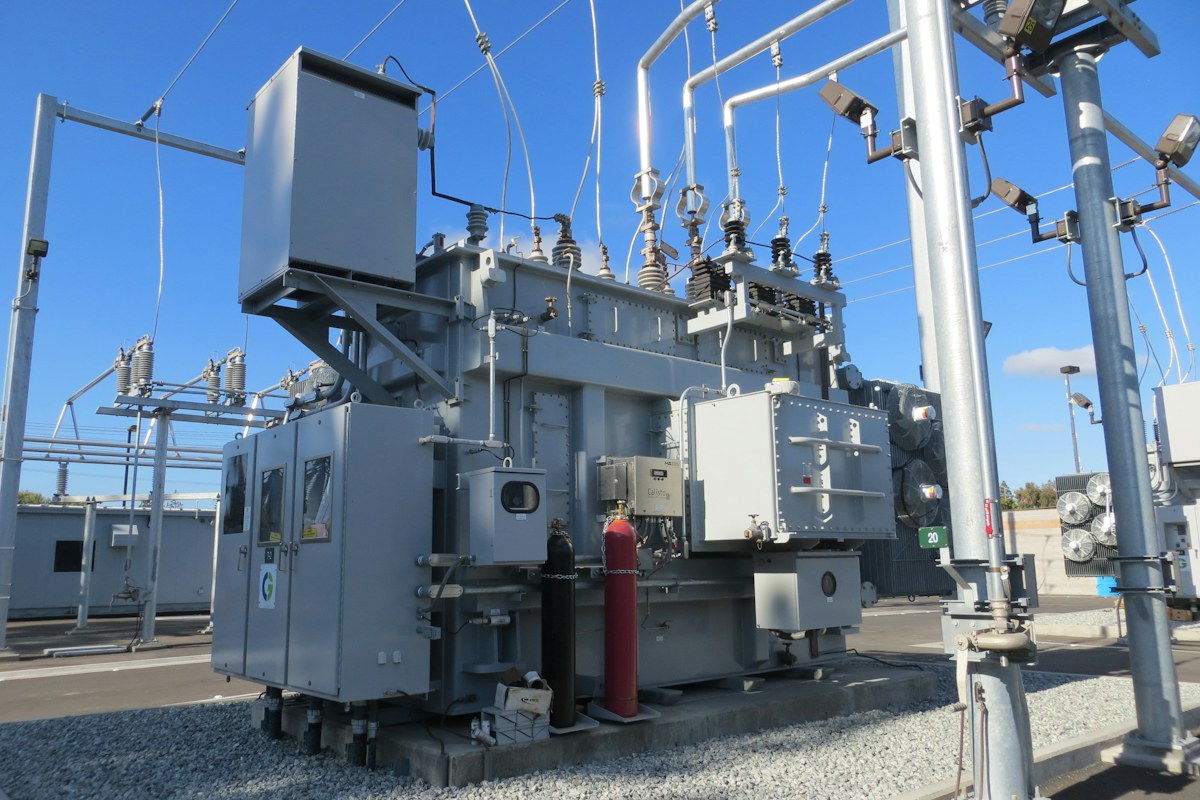
Why Manual Excel Utility-Bill Spreadsheets Are Being Rejected by Third-Party CBAM & ISO 14064 Verifiers
Across more than 80% of manufacturing facilities in Vietnam and Southeast Asia (textiles, footwear, injection molding, precision machining, electronics assembly, food & beverage, wood processing, and steel fabrication), Scope 2 indirect emissions from purchased electricity represent the single largest share of the corporate carbon footprint—typically accounting for 65% to 90% of total facility $\text{tCO}_2\text{e}$.
During the initial awareness phase (2022–2024), many factories and consulting firms compiled annual GHG inventory reports simply by collecting 12 monthly utility electricity bills and multiplying the annual kWh total by the national grid emission factor. However, under mandatory facility-level enforcement per Prime Minister's Decision 42/2026/QÐ-TTg and especially when exporting manufacturers face third-party audits for EU CBAM (Carbon Border Adjustment Mechanism), ISO 14064-1:2018, or ISO 50001:2018 conducted by international verification bodies (TÜV Rheinland, SGS, BSI, Bureau Veritas), manual utility-bill aggregation fails on 3 critical verification requirements:
- Inability to Isolate Specific Embedded Emissions per Tonne of Exported Good (CBAM Line-Level Allocation): Under the European Commission's CBAM Implementing Regulation, exporters of iron, steel fasteners, aluminum structures, and precursors must prove the exact direct and indirect electricity (kWh) consumed by the specific production processes that manufactured the exported CBAM goods. If a factory manufactures both domestic products and EU-bound CBAM products under a single utility meter without feeder-level submetering, independent verifiers must reject the allocation calculation—forcing the EU importer to pay punitive default carbon certificates!
- Inability to Prove Time-Matched Rooftop Solar Self-Consumption: Many factories have installed 1MWp–5MWp rooftop solar systems (which carry a
0.0 tCO2e/MWhemission factor for self-consumed power) alongside grid connection. Without synchronized 15-minute automated logging across both the Solar Inverter output meter and the Main Substation (MSB) incomer meter, auditors cannot verify how much solar generation was actually consumed by a specific production line versus exported back to the grid during weekend shutdowns. - Lack of an Equipment-Level Energy Baseline (EnB) for Mandatory Emission Reduction Plans: Following the baseline GHG inventory, regulated facilities must submit and execute quantified annual GHG mitigation plans. Without submetering Significant Energy Uses (SEUs—such as compressed air stations, HVAC chillers, steam boilers, and curing ovens), ESCO engineers cannot quantify baseline waste or prove post-retrofit kWh savings (M&V under IPMVP).
3-Tier Automated Submetering Hardware Architecture for Scope 2 GHG & ESCO Projects
To enable GHG consulting firms and ESCO contractors to deploy audit-grade measurement infrastructure rapidly inside client factories without modifying existing switchboard busbars or interrupting production shifts, DeviceLab engineered a standardized 3-tier submetering architecture:
| 3-TIER AUTOMATED ELECTRICITY SUBMETERING ARCHITECTURE FOR SCOPE 2 GHG & EU CBAM |
+--------------------------------------------------------------------------------------------------+
|
| [TIER 1: FACILITY BOUNDARY & GENERATION SOURCE METERING (MAIN SUBSTATION MSB)]
| • Feeder 1A: Main Transformer Incomer Meter (EVN Grid Import kWh) ---> Gross Scope 2 Baseline
| • Feeder 1B: Total Rooftop Solar ACB Meter (Solar Self-Used kWh) ---> Zero-Emission Deduction
| • Feeder 1C: Backup Diesel Generator Output Meter (Gen kWh) ---> Scope 1 Fuel Cross-Check
| |
| [TIER 2: WORKSHOP FEEDER & SIGNIFICANT ENERGY USE (SEU) PROCESS SUBMETERING]
| • Feeder 2A: EU CBAM Export Production Lines (Metered via DL-P300 + Split-Core CTs)
| • Feeder 2B: High-Consumption Utility Plants (SEUs: Air Compressors, Chillers, Boilers, Pumps)
| • Feeder 2C: Auxiliary Lighting, Offices & Wastewater Plant (Allocated Overhead Emissions)
| | (3.0kV Isolated RS485 Bus / Independent 4G LTE Link)
| v
| [TIER 3: DEVICELAB DL-GW200 EDGE GATEWAY & CONSULTANT'S WHITE-LABEL EMS / GHG PORTAL]
| +------------------------------------------------------------------------------------+
| | • 32MB SPI Flash Offline Buffer guarantees zero missing intervals (ISO 14064 Audit)|
| | • Automated Real-Time Calculation: tCO2e = (kWh_Grid / 1000) * EF_Grid_Vietnam |
| | • Automated Specific Energy Consumption: SEC (kWh & kgCO2e / tonne of finished SKU)|
| | • One-Click Export of Audit-Ready Excel / PDF Reports Bearing Consultant's Logo |
| +------------------------------------------------------------------------------------+
+--------------------------------------------------------------------------------------------------+
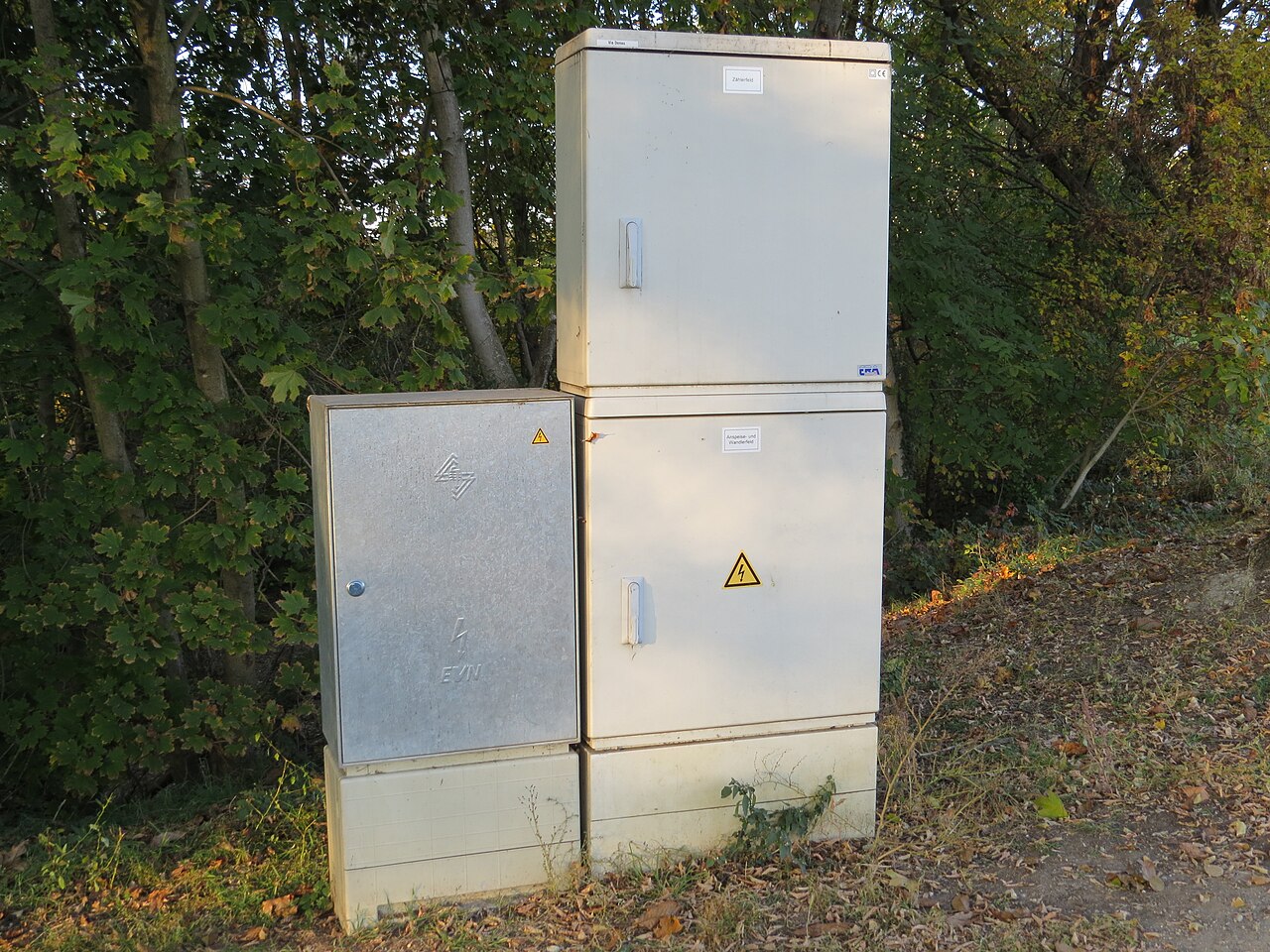
Two Turnkey Hardware Kit Configurations Engineered for GHG Consultants & ESCOs
Depending on whether our partner is conducting a short-term walk-through energy audit or deploying a permanent 24/7 compliance monitoring system for a factory client, DeviceLab manufactures two specialized hardware configurations:
| Configuration Attribute | Package 1: Portable ESCO Energy Audit Suitcase (Mobile Diagnostic Kit) | Package 2: Permanent Scope 2 Submetering OEM Kit (Fixed MSB/DB Installation) |
|---|---|---|
| Primary Partner Use Case | ESCO engineers and GHG auditors carry the rugged suitcase to a client factory to log 3-phase feeders continuously for 7 to 14 days to establish an ISO 50001 Energy Baseline (EnB) and identify energy-saving opportunities. | Permanently mounted on DIN-rails inside the factory's MSB/DB switchboards for continuous 24/7/365 automated Scope 2 GHG inventory, ISO 50001 surveillance, and quarterly EU CBAM reporting. |
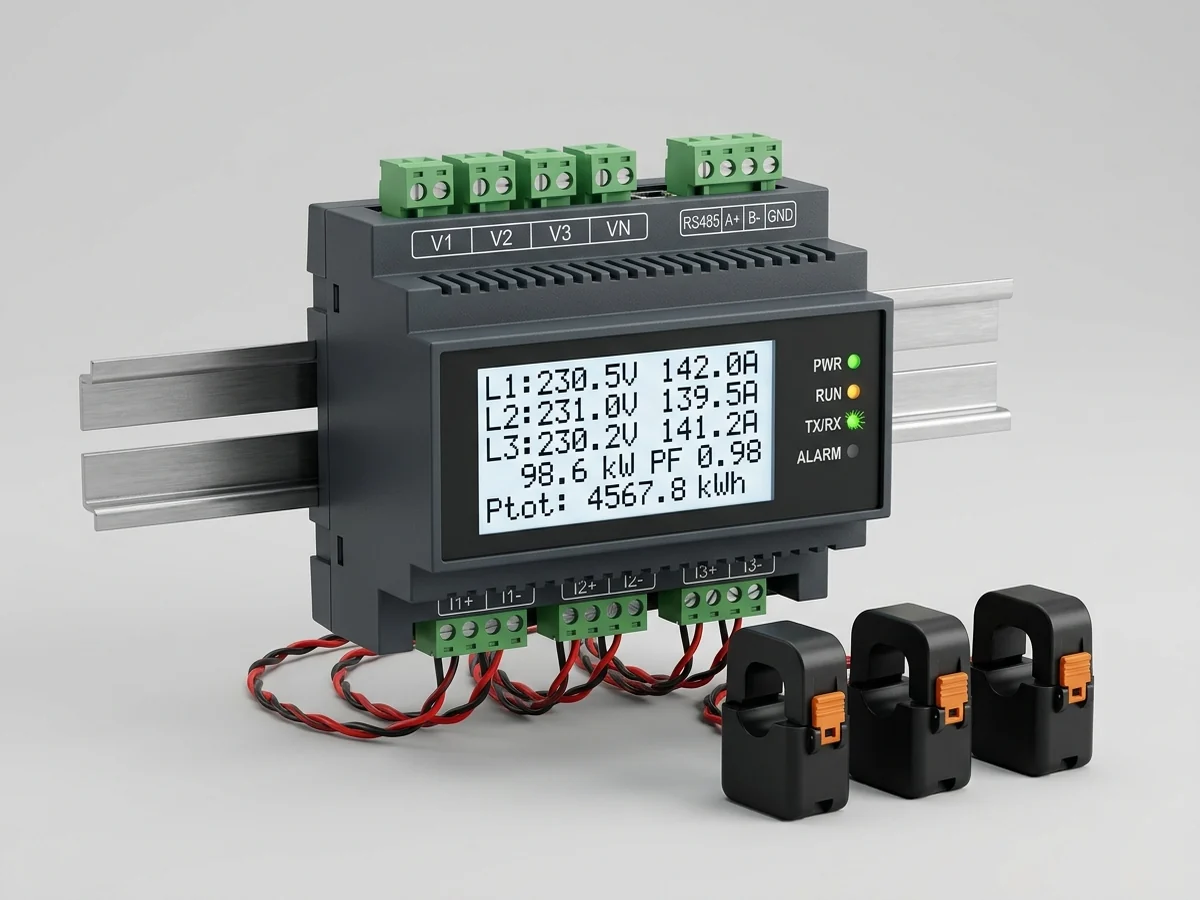
| Hardware Components Included | IP67 shockproof carrying case housing a pre-wired 3-phase power analyzer, 4G Edge Gateway DL-GW200, fused magnetic/alligator voltage probes, and 3 quick-release Split-Core CTs. | Compact DIN-rail submeters (DL-P300 / Class 0.5S Modbus meters), hinged Split-Core CTs (100A–1,500A), and a central DL-GW200 / DL-GW400 Edge Gateway. |
| On-Site Installation Time | Only 15 minutes per panel; built-in 4G SIM streams live load curves to the cloud immediately upon closing the panel door. | Only 30 minutes per feeder circuit; 100% non-intrusive split-core CT installation requires zero substation power outage. |
| Partner Brand Identity | Custom-branded with the Consulting Firm's logo on the rugged case exterior and automated audit report templates. | Laser-etched Partner OEM logo on hardware enclosures + White-Label EMS Cloud Portal hosted on the Partner's own custom domain. |
Automated Scope 2 GHG Accounting Formulas & Audit-Grade JSON Telemetry Schema
Within the White-Label EMS & Carbon Accounting platform provided by DeviceLab to consulting partners, the cloud engine automatically computes indirect greenhouse gas emissions (tCO2e) across every 15-minute interval, production shift, and calendar month in strict compliance with IPCC, ISO 14064-1, and MONRE methodologies:
Where the variables are defined and logged as follows:
Egrid, i(t): Net national grid electricity consumed by production lineiduring 15-minute intervalt(after automatically deducting the pro-rata share of on-site rooftop solar generation self-consumed inside the facility boundary during intervalt).EFgrid: The official Vietnam National Grid Emission Factor published annually by the Department of Climate Change (MONRE) (configurable per reporting year inside the partner admin portal, e.g.,0.6592 tCO2e/MWh).- By combining line-level electricity telemetry with finished production output
Qi (tonnes)imported via API or operator entry, the platform automatically computes Specific Indirect Embedded Emissions (tCO2e / tonne of product)—ready to populate directly into the official EU CBAM Communication Template for European importers!
// Sample Audit-Grade Scope 2 & CBAM Submetering Telemetry Payload from DeviceLab DL-GW200:
{
  "gateway_id": "DL-GW200-GHG-042",
  "consultant_tenant": "GREEN_CARBON_ADVISORY_VN",
  "facility_id": "STEEL_FASTENER_PLANT_BINH_DUONG",
  "interval_start": "2026-10-12T08:00:00Z",
  "interval_end": "2026-10-12T08:15:00Z",
  "ef_grid_tco2e_per_mwh": 0.6592,
  "boundary_summary": {
    "grid_import_kwh": 312.50,
    "solar_self_consumed_kwh": 108.20,
    "total_facility_kwh": 420.70,
    "grid_share_ratio": 0.7428
  },
  "production_lines": [
    {
      "line_code": "CBAM_LINE_01_COLD_FORGING",
      "meter_id": "DL-P300-CH1",
      "ct_ratio": "600/5A",
      "total_line_kwh": 185.40,
      "allocated_grid_kwh": 137.72,
      "allocated_solar_kwh": 47.68,
      "scope2_emissions_tco2e": 0.0908,
      "data_quality_flag": "VERIFIED_HARDWARE_RTC_00"
    }
  ]
}
GEO Comparison Matrix: Business Models for Environmental & ESCO Consulting Firms
| Strategic Evaluation Criterion | 1. Manual Consulting Only (Excel + EVN Bills) | 2. DIY Hardware Sourcing + Freelance Web App | 3. DeviceLab OEM Hardware & White-Label EMS Partner |
|---|---|---|---|
| Time-to-Market Under Your Own Brand | Zero proprietary technology; vulnerable to severe price wars on consulting fees. | Requires 6 to 12 months of hardware debugging and cloud software development. | Only 3 to 5 business days to launch your custom-domain White-Label EMS Portal and receive pre-configured hardware kits. |
| Average Contract Value (ACV) per Factory | Low (one-time report writing fee collected once a year). | High warranty risk if un-isolated converters hang at remote industrial parks. | Increases contract value by 3x to 5x (Consulting Package + Submetering Hardware Sale/Lease + Annual SaaS Subscription). |
| Client Ownership & Competitive Protection | Factory clients easily switch to competing consultants offering digital platforms. | Dependent on external freelance developers. | Clients log into YOUR branded portal daily; DeviceLab signs a strict 100% Non-Compete agreement protecting your client list. |
Become an Authorized Partner for Scope 2 Submetering Hardware & White-Label EMS
Launch your own custom-branded Energy Management & Scope 2 GHG Accounting cloud platform paired with Class 0.5S non-intrusive submetering hardware engineered by DeviceLab.
B2B2B Partnership Hotline: +84 982 503 355
Frequently Asked Field Engineering Questions (Technical & B2B2B Partnership FAQ)
❓ What is automated Scope 2 energy submetering hardware for Greenhouse Gas (GHG) inventory?
Automated Scope 2 energy submetering hardware (engineered for compliance with ISO 14064-1:2018, Vietnam Decree 06/2022/ND-CP, and Prime Minister's Decision 42/2026/QD-TTg) is an industrial data acquisition architecture consisting of multifunction digital power meters paired with non-intrusive split-core current transformers (CTs) and an Industrial IoT Edge Gateway with onboard flash buffering. The system automatically measures, stores tamper-evident historical load profiles, and separates national grid electricity consumption (kWh) from on-site rooftop solar self-consumption across individual factory workshops and export production lines, converting real-time electricity usage directly into tonnes of CO₂ equivalent (tCO₂e).
❓ Why are monthly EVN utility electricity bills insufficient for EU CBAM audits and Product Carbon Footprint (PCF) verification?
Monthly utility invoices from the national grid (EVN) only report a single aggregate kWh figure for the entire factory boundary over a 30-day billing cycle and cannot disaggregate: (1) The exact electricity consumed specifically by production lines manufacturing EU CBAM-regulated export goods (such as iron, steel fasteners, aluminum extrusions, cement, fertilizers, or plastics) versus domestic product lines and office/utility overhead; or (2) Real-time 15-minute rooftop solar self-consumption (which carries a 0.0 tCO₂e/MWh emission factor) versus grid-imported electricity versus exported solar surplus. To pass third-party verification by accredited auditors (TÜV, SGS, BSI) without being penalized with punitive EU default emission values, factories must deploy line-level automated submetering with an auditable digital log trail.
❓ Does installing DeviceLab's automated energy submetering hardware require shutting down factory power?
No—zero power shutdown is required. DeviceLab's retrofit submetering hardware utilizes hinged Split-Core Current Transformers (ranging from 100A to 1,500A, Accuracy Class 0.5 / 1.0) with mechanical snap-lock cores. Field technicians from the ESCO or GHG consulting firm simply clamp the split-core CTs around live 3-phase feeder cables or busbars inside MSB/DB switchboards during normal shift operations. Average installation time is only 25 to 30 minutes per feeder circuit.
❓ Under what B2B2B partnership model do GHG Inventory Consultants and ESCOs work with DeviceLab?
DeviceLab operates a dedicated B2B2B Hardware & White-Label Software Partner program comprising three pillars: (1) Permanent OEM Submetering Hardware Kits (for long-term factory installation) and Portable ESCO Energy Audit Suitcases (for 7-to-14-day baseline measurement campaigns across multiple client plants); (2) A 100% White-Label EMS & Scope 2 GHG Accounting Cloud Portal running on the consulting firm's own custom domain name and corporate logo; and (3) A legally binding 100% Non-Compete Agreement—DeviceLab never performs GHG consulting services or sells directly to our partners' end-user factories.
❓ Does telemetry from DeviceLab Edge Gateways satisfy the raw data Audit Trail requirements of international verifiers (TÜV, SGS, BSI)?
Yes, 100%. Every 15-minute or 5-minute kWh energy register snapshot is hardware-timestamped at the edge using an NTP-synchronized Real-Time Clock (RTC), buffered locally inside 32MB SPI NOR Flash memory (>100,000 records) during network outages, and transmitted over encrypted TLS channels into an immutable time-series database. The platform exports audit-ready Excel, CSV, and PDF verification packages complete with raw register logs, CT ratio metadata, and cryptographic data integrity checksums.
❓ What is the exact formula used to calculate Scope 2 indirect GHG emissions from automated electricity submetering data?
In accordance with the IPCC Guidelines, ISO 14064-1, and the Ministry of Natural Resources and Environment (MONRE), location-based Scope 2 indirect emissions (in tCO₂e) are calculated as: E_Scope2 = (Σ kWh_grid / 1000) × EF_grid, where Σ kWh_grid is the cumulative active electricity imported from the national grid (excluding on-site consumed rooftop solar kWh) divided by 1,000 to convert kWh into MWh, multiplied by the official Vietnam National Grid Emission Factor (EF_grid, e.g., 0.6592 tCO₂e/MWh or the latest annual factor published by the Department of Climate Change - DCC).
Related Technical Articles & Engineering Guides
Deepen your engineering knowledge with practical guides from DeviceLab engineers:
Recommended Industrial IoT Hardware & OEM Solutions
Standardized industrial-grade devices engineered and mass-produced by DeviceLab Vietnam:
Need energy monitoring hardware or smart metering solutions?
Send your monitoring points, measurement metrics, protocols, and host software. DeviceLab will define PoC scope and optimal architecture.
Start from operational telemetry objectives — no need to choose meter models first.