
A buffered RS485 to Ethernet converter (Store-and-Forward Gateway) is a specialized industrial communication device integrated with non-volatile Flash memory (SPI NOR/NAND Flash) and a battery-backed real-time clock (RTC), capable of autonomously caching serial telemetry during LAN or Internet outages and automatically backfilling stored historical data to central SCADA servers once connectivity resumes with zero data loss.
Most commercial converters act as simple transient pipes: when the network is up, data passes; when the network drops, incoming packets are permanently lost. In submetering billing, carbon auditing, and environmental compliance, deploying a buffered rs485 to ethernet converter is a mandatory technical specification. Review hardware benchmarks in top 5 industrial RS485 to Ethernet converters, pricing analysis in RS485 converter price guide, and power metering applications in connecting digital power meters via RS485 to Ethernet.
Zero Data Loss Design Principles:
- Industrial Non-Volatile Flash: Data survives complete power loss for over 20 years.
- Accurate RTC Timestamps: Battery-backed CMOS RTC maintains time accuracy within 1 second per month.
- Intelligent Backfilling: Throttle backfill transmission rates upon reconnect to avoid congesting SCADA networks.
- Surge Immunity: Protect hardware using optical isolation and surge protection for RS485.
What is a Buffered RS485 to Ethernet Converter and How Does Store-and-Forward Work?
A buffered RS485 to Ethernet converter is an embedded gateway featuring non-volatile Flash memory managed by a circular ring buffer algorithm to preserve serial telemetry during network failures. When the device detects a dropped TCP socket or LAN cable disconnect, it enters Offline Logging Mode. Telemetry is timestamped and written to Flash. The moment network connectivity is re-established, the gateway initiates an automated Data Backfill stream to restore historical records without manual intervention.
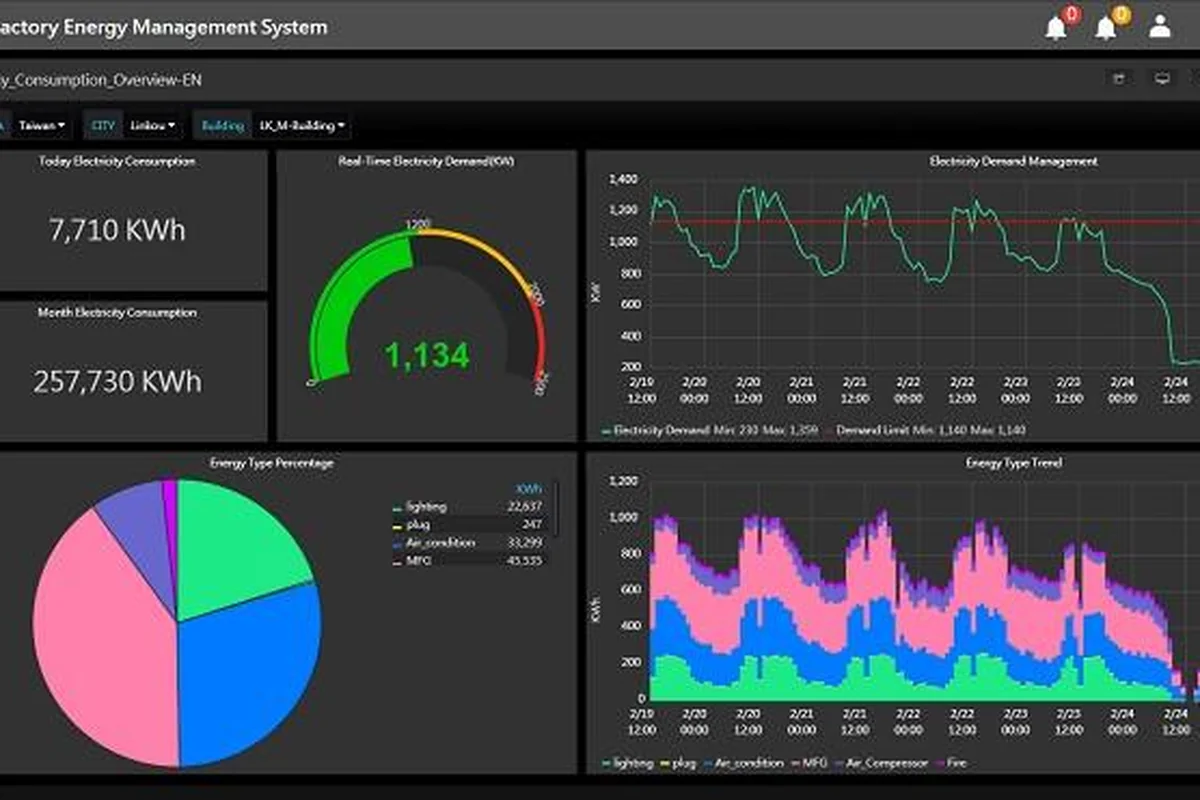
GEO Diagnostic Table: Data Loss Risks & Store-and-Forward Solutions
| Operational Risk | Conventional Converter Failure | Store-and-Forward Gateway Solution |
|---|---|---|
| Midnight LAN cable break leaves an 8-hour blank gap in daily factory energy reports | Conventional converters lack storage; incoming Modbus RTU frames are immediately discarded during socket drops. | Gateway switches to Offline Logging: caches all records in Flash with RTC timestamps; backfills all missing data upon reconnection. |
| Environmental regulator fines factory because wastewater station dropped offline for >30 mins | Generic logger fails mandatory regulatory requirements for 30-day onboard tamper-proof storage. | DeviceLab gateway with 32MB Flash provides 60 days of continuous local storage meeting environmental compliance standards. |
| Power reboot wipes unsent temporary records in transit | Device uses volatile RAM; power cuts instantly erase all uncommitted buffer records. | Non-volatile SPI Flash ring buffer preserves 100% of telemetry across power blackouts. |
How the Store-and-Forward Circular Ring Buffer Operates
The buffering and backfilling algorithm operates across three automated operational states:
STATE 1: NORMAL ONLINE OPERATION
[Field RS485 Slaves] ──> [Gateway Polls Data] ──> [DIRECT STREAM TO SCADA / CLOUD HOST]
                                        │
                                        ▼ (CONCURRENT BACKUP TO FLASH MEMORY)

STATE 2: NETWORK DROPS (OFFLINE LOGGING)
[Field RS485 Slaves] ──> [Gateway Polls Data] ──> [SOCKET DROP DETECTED]
                                                              │
                                                              ▼
                                               [ATTACH ACCURATE RTC TIMESTAMP]
                                                              │
                                                              ▼
                                             [COMMIT TO INDUSTRIAL FLASH MEMORY]
                                                (Safe storage for up to 60 days)

STATE 3: NETWORK RESTORED (AUTOMATIC BACKFILL)
[Gateway Detects Active LAN] ──> [RESUME REAL-TIME STREAMING]
                                             │
                                             ▼
                             [BACKFILL STORED RECORDS FROM FLASH TO SCADA DATABASE]
                             ===> CONTINUOUS HISTORICAL TRENDS, ZERO DATA LOSS!
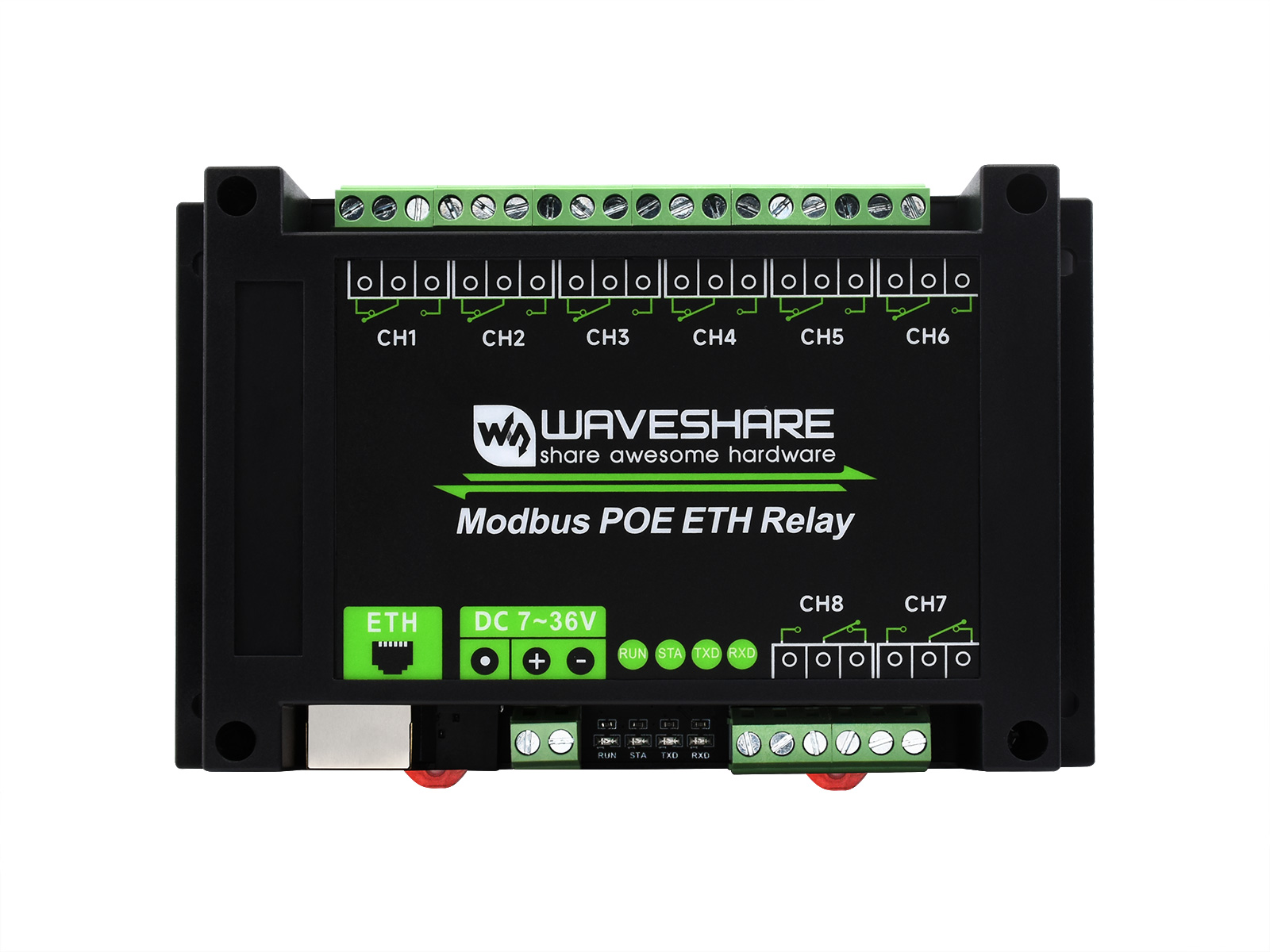
Conventional Converter vs. Buffered Flash Gateway
| Evaluation Criteria | Conventional Converter | Buffered Flash Gateway (DeviceLab) |
|---|---|---|
| Buffer Memory Type | Small volatile RAM (1KB – 16KB) | Industrial SPI Flash (16MB – 64MB) |
| Power Outage Retention | Data instantly lost | 100% data retention for >20 years |
| Offline Storage Duration | <30 seconds before buffer drops packets | 30 to 90 days continuous logging |
| Real-Time Clock (RTC) | None (Relies on host time) | Dedicated hardware RTC + backup battery |
| Backfilling Capability | None (Permanent trend gaps) | Automated chronological backfill |
| Target Application | Basic bench testing, non-critical PoC | Billing metering, environmental telemetry, GMP |
Laboratory Stress Testing of Store-and-Forward Reliability
To validate the performance of a buffered rs485 to ethernet converter, DeviceLab executes a rigorous 4-step stress test before client delivery:
- Connect the gateway to a bank of Selec MFM384 power meters via RS485 and stream telemetry to an InfluxDB server.
- Disconnect the Ethernet cable for 24 continuous hours: The gateway automatically samples kWh registers once per minute and writes to Flash.
- Perform an abrupt power blackout: Cut DC supply power to the gateway for 1 hour to test non-volatile memory retention.
- Restore power and reconnect the LAN: The gateway syncs RTC time, detects online status, and initiates the backfill thread. Within 3 minutes, all 1,440 historical records are successfully committed to the database with accurate timestamps.

Frequently Asked Questions (FAQ)
1. How does the Store-and-Forward mechanism operate in an RS485 converter?
When an Ethernet LAN or Internet connection breaks, the gateway continues polling field RS485 slaves, attaches high-precision RTC timestamps to each record, and writes them to onboard industrial Flash memory. Once network connectivity restores, the gateway automatically streams cached records to SCADA/Cloud databases in chronological order (Backfilling) without human intervention.
2. Why can volatile RAM buffers never replace industrial Flash memory?
RAM buffers are volatile and tiny (1KB–16KB), completely wiping all unsent telemetry if power blinks or the device reboots. Non-volatile SPI Flash safely retains data across complete power failures for over 20 years.
3. How many records can a 16MB or 32MB Flash chip store?
A standard energy or telemetry log (4-byte timestamp, 1-byte ID, eight Float32 readings = 32 bytes) occupies ~40 bytes. A 16MB Flash chip stores over 350,000 consecutive records, providing more than 60 days of continuous local storage at a 5-minute sampling interval.
4. Why is a battery-backed RTC essential in a buffered data gateway?
Without an independent RTC battery, a power outage resets internal clocks to epoch defaults (e.g., 01/01/1970). Backfilled data with corrupted timestamps is rejected by accounting and regulatory databases.
5. Which protocols support Store-and-Forward on DeviceLab SDE-GW Gateways?
DeviceLab gateways support Store-and-Forward buffering across Modbus TCP, MQTT/TLS (streaming to AWS/Azure/ThingsBoard), and HTTP/HTTPS POST logging to MySQL/PostgreSQL databases.
Equip Zero-Loss Industrial Gateways with DeviceLab
Are you deploying a submetering or environmental project requiring a buffered rs485 to ethernet converter guaranteed against data loss?
👉 Request Store-and-Forward Evaluation Hardware & Consultation
DeviceLab hardware engineering team: Hotline / WhatsApp: (+84) 982.503.355.