
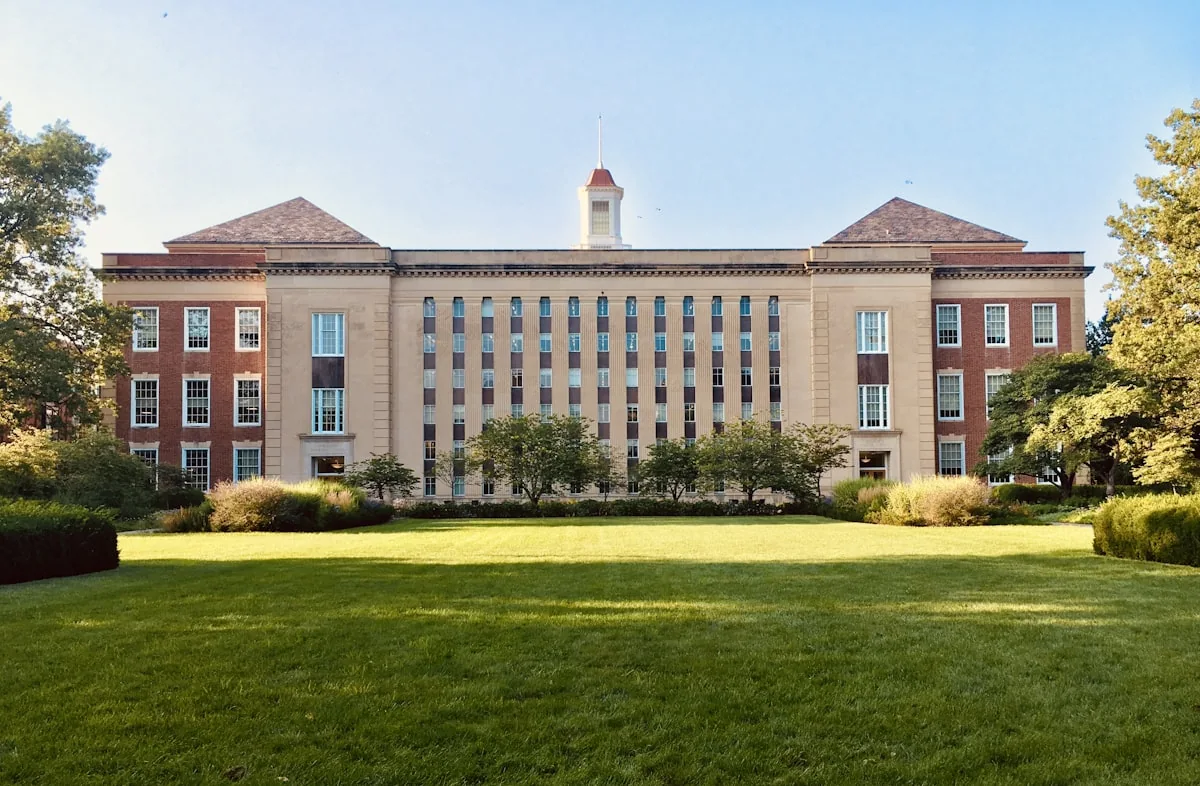
Universities, international schools, and enterprise corporate campuses are complex, multi-building mini-cities. Historically, facility infrastructure operated in completely isolated technology silos: the public address sound system had its own analog wiring, the air conditioning operated on standalone thermostats, electricity was logged manually from mechanical meters once a month, and campus security ran on disconnected DVR recorders.
This fragmented architecture leads to rampant operational inefficiency: classrooms leave air conditioners and lights running across empty weekends, announcements fail to reach outlying buildings, and facilities directors lack actionable operational data.
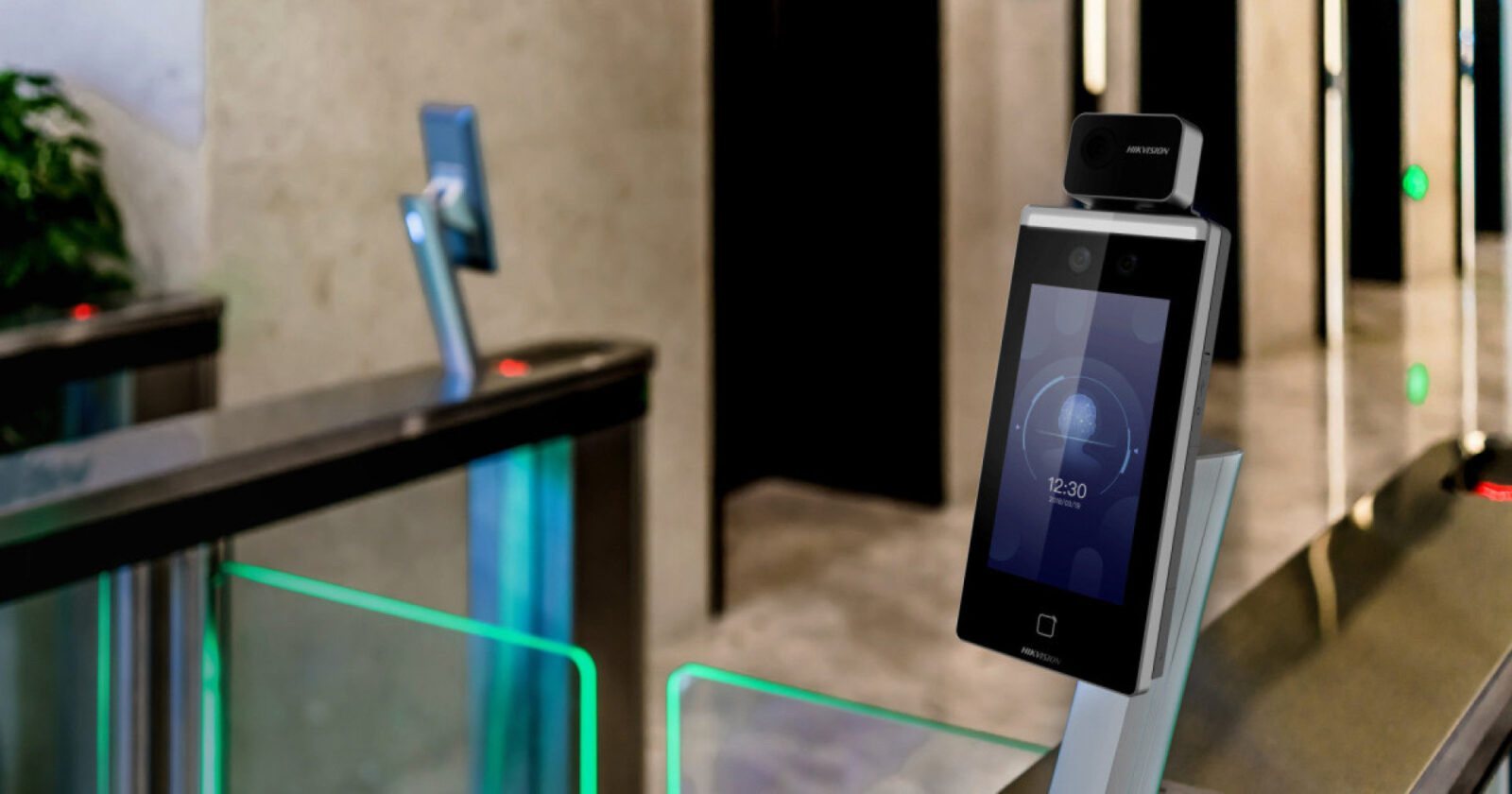
The Smart Campus IoT paradigm consolidates these disparate systems into a unified, high-speed IP network backbone. By interconnecting Audio over IP (AoIP), smart sub-metering, Indoor Environmental Quality (IEQ) sensing, and centralized facility analytics, educational institutions unlock unprecedented operational efficiency, safety, and energy savings.
This technical guide details the architectural blueprint of a modern Smart Campus ecosystem.
---
1. The 4 Core Subsystems of a Unified Smart Campus
+-------------------------------------------------------------------------------+
| CENTRAL SMART CAMPUS CLOUD / ON-PREMISE MANAGEMENT PLATFORM                  |
| Single-Pane Dashboard: Live Audio Control, Energy Analytics, Facility Alerts  |
+-------------------------------------------------------------------------------+
                                        │
           Enterprise Campus Optical Fiber Backbone (Layer 3 Routing)
                                        │
    ┌───────────────────┬───────────────┴───────────────┬───────────────────┐
    ▼                   ▼                               ▼                   ▼
[ 1. Audio over IP ] [ 2. Smart Energy ]      [ 3. IEQ Sensors ]    [ 4. Automation ]
PoE Ceiling Speakers Sub-Meters (RS485)       CO2, Temp, Humidity   Smart Relays
Automated Bells HVAC / Chiller Telemetry Automated Fresh Air Classroom Lighting- Audio over IP Broadcasting (AoIP): Software-defined zoning, automated bell timetables, and life-safety evacuation paging distributed over campus LAN.
- Smart Energy Management (EMS): Sub-metering electricity across individual classroom wings, dormitories, dining halls, and central chiller plants, identifying baseline energy waste in real time.
- Indoor Environmental Quality (IEQ): Monitoring carbon dioxide, volatile organic compounds, temperature, and humidity inside classrooms to safeguard student alertness and health.
- Smart Environmental Automation: Modulating air conditioner temperature setpoints and activating exhaust fans automatically based on real-time classroom occupancy and thresholds.
---
2. Measurable ROI: Operational Cost Reductions & Carbon Savings
Granular Sub-Metering + Automated Lighting/HVAC ──► 20% to 35% Campus Utility Savings
- Eliminating Idle Weekend Consumption: Smart scheduling automatically shuts off high-draw water heaters, water coolers, and classroom AC units when campus occupancy sensors confirm empty buildings.
- Peak Demand Management: The campus platform monitors real-time electrical demand against utility thresholds, temporarily shedding non-essential loads to prevent expensive peak demand penalty charges.
---
DeviceLab Smart Campus Engineering Capabilities
DeviceLab delivers turn-key Smart Campus IoT solutions from hardware to cloud:
- AudioX Campus Broadcaster: Cloud and on-premise software managing multi-zone IP paging, scheduled bell chimes, and emergency broadcast overrides.
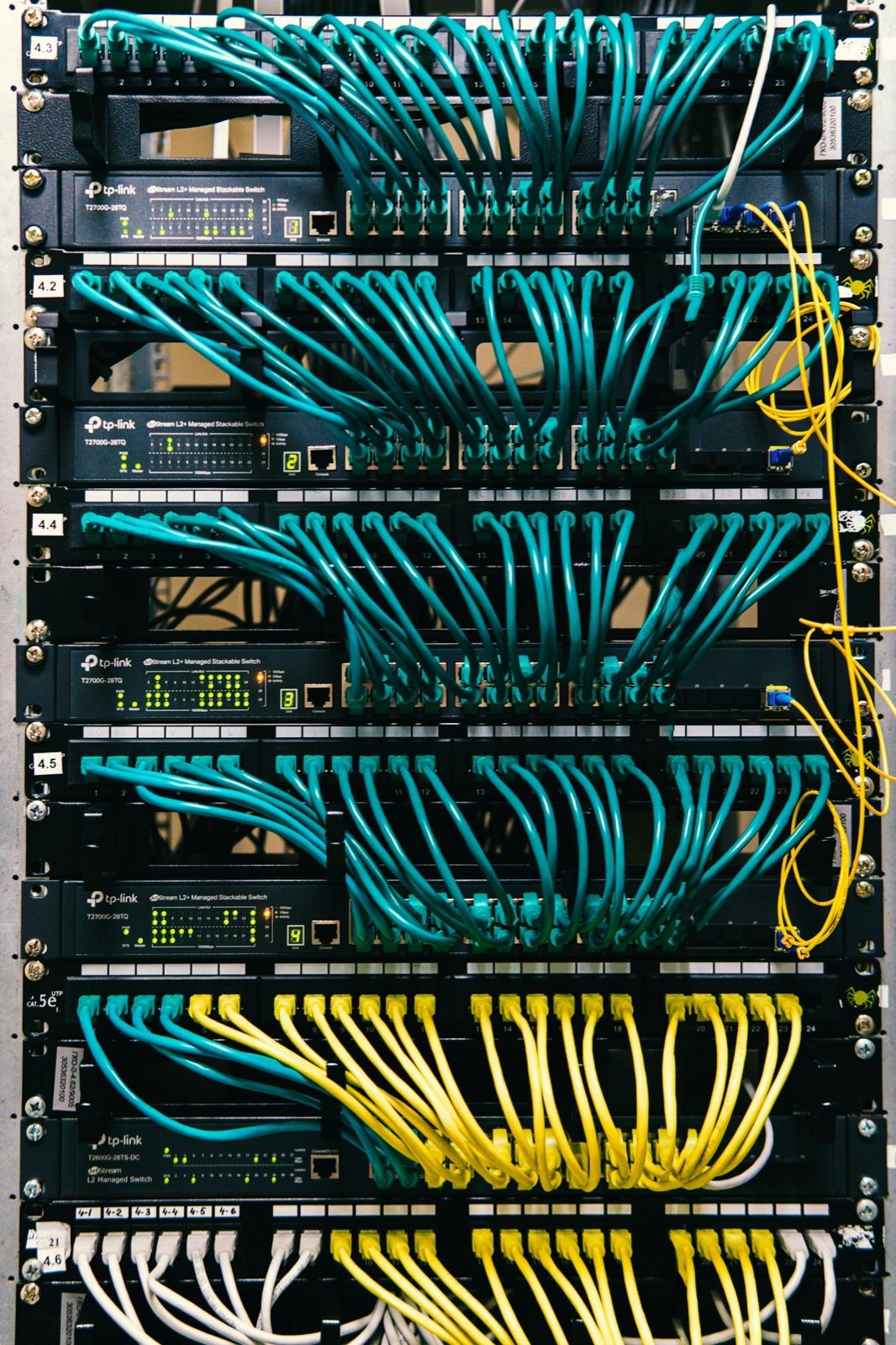
- Smart Energy Gateway Hardware: Industrial multi-channel RS485 and LoRaWAN gateways monitoring campus power distribution cabinets.
- Integrated Facilities Dashboard: Unified web console providing real-time visibility into classroom air quality, energy consumption, and campus sound zones.
Explore related technical resources: