
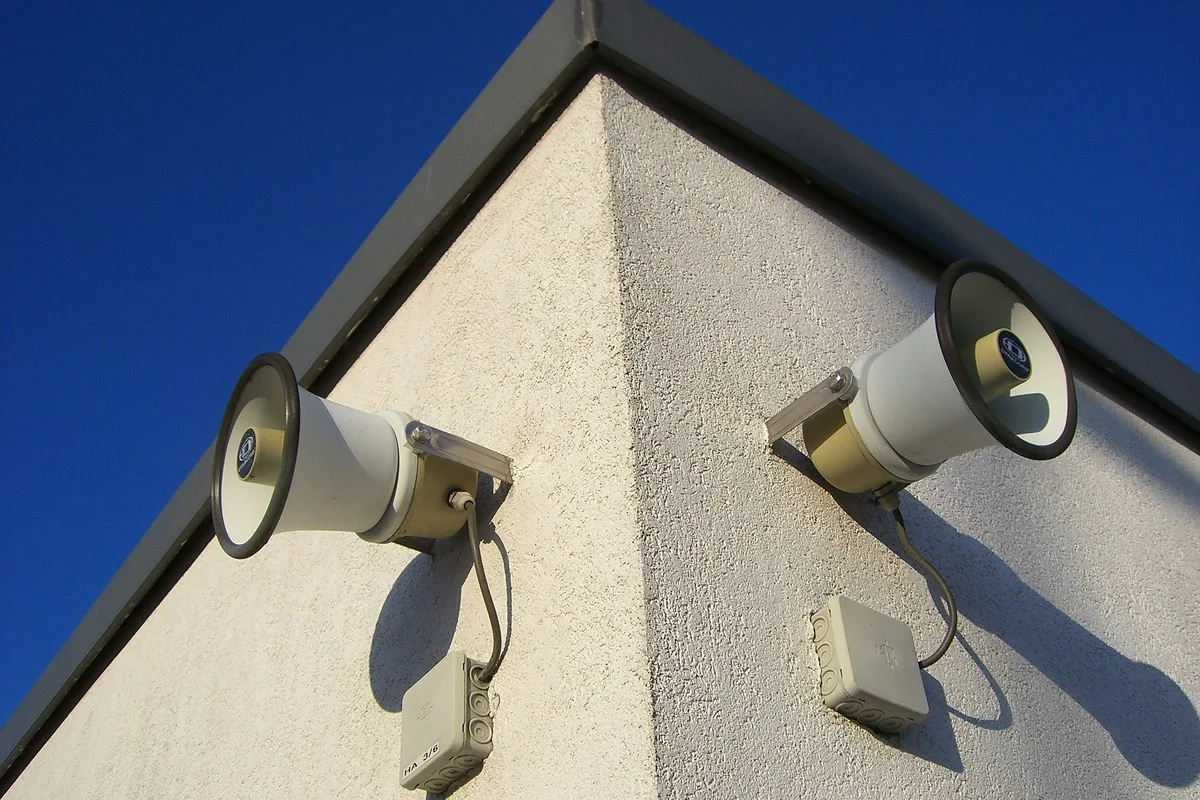
In educational institutions—from primary schools to expansive university campuses—the public address (PA) system is a mission-critical operational backbone. It regulates daily instructional rhythm through bell chimes, facilitates campus-wide morning assemblies, distributes foreign language listening exams, and provides instant mass communication during fire emergencies or severe weather lockdowns.
Yet, hundreds of schools continue to wrestle with aging analog 70V/100V sound systems: harsh mechanical sirens that startle students, broken audio cables in walls, constant 50Hz hum, and an inability to page a single classroom without interrupting the entire school.
Transitioning to Audio over IP (AoIP) transforms campus audio into an intelligent digital utility. This technical guide outlines the acoustic requirements of educational spaces, compares analog vs. IP architectures, and provides a structured migration roadmap for school administrators and IT directors.
---
1. Acoustic Zoning in Modern Educational Facilities
A school is not an acoustic monolith; each zone serves distinct instructional and acoustic functions:
[ Central Headend / Principal's Console ]
                   │
  ┌────────────────┼────────────────┬────────────────┐
  ▼                ▼                ▼                ▼
[ Classrooms ]   [ Corridors ]   [ Assembly Field ] [ Cafeteria ]
Two-Way Intercom Low-SPL Ceiling High-Power Horns   Gentle BGM &
Exam Listening Gentle Chimes Wide Coverage Paging- Classrooms (Acoustic Precision): Requires crystal-clear, low-SPL voice intelligibility for daily instruction and standardized language exams, paired with two-way SIP intercom for teacher-to-admin calls.
- Corridors & Stairwells (Chime Distribution): Wide-dispersion ceiling speakers positioned every 6 to 9 meters to distribute gentle bell chimes without deafening reverberation.
- Outdoor Assembly Grounds & Sports Fields: High-power, weatherproof IP horn speakers (>110dB SPL) capable of overcoming open-air wind attenuation and student crowd noise.
---
2. Engineering Comparison: Analog PA vs. IP Audio for Schools
| Feature | Legacy 70V/100V Analog System | Digital Audio over IP (AoIP) System |
|---|---|---|
| Classroom Zoning | All-or-nothing broadcast | Independent software zoning per classroom/grade |
| Simultaneous Streams | 1 single audio stream school-wide | Multi-channel: exam audio + bells + outdoor music simultaneously |
| Bell Accuracy | Manual mechanical timers (drifts minutes/month) | NTP atomic clock synchronization (0.00-second drift) |
| Intercom Return | None (one-way broadcast only) | Full-duplex two-way SIP classroom intercom |
| Cabling Topology | Heavy copper conduit runs back to central rack | Standard Cat5e/Cat6 LAN cabling with PoE power |
| Emergency Override | Manual switch on central amplifier | Instant automated fire alarm override from any phone/PC |
---
3. Practical Migration: The Hybrid Retrofit Approach

Schools do not need to discard their entire acoustic infrastructure to gain IP capabilities:
[ AudioX Cloud/LAN Server ] ──► [ Campus Ethernet Switch ]
                                            │
                                ┌───────────┴───────────┐
                                ▼                       ▼
                   [ New PoE Classrooms ]      [ Local IP Audio Gateway ]
                    Smart IP Ceiling Speakers            │  Line-Level Audio
                                                [ Existing Analog Amplifier ]
                                                         │  100V Line
                                                [ Existing Outdoor Horns ]
By installing IP Audio Gateways beside existing analog rack amplifiers, schools can retain functional outdoor high-power horn speakers while upgrading indoor classrooms to PoE smart speakers, achieving full digital zoning at a fraction of full-replacement cost.
---
DeviceLab SchoolX Audio Solutions
DeviceLab engineers turn-key educational audio and smart campus infrastructure:
- AudioX School Bell Automation Suite: Intuitive calendar scheduling for class bells, exam chimes, and automatic daylight savings/holiday skipping.
- Two-Way Classroom Intercom Terminals: High-definition voice paging with emergency help buttons connecting teachers directly to the security office.
- Turn-Key Field Engineering: On-site acoustic surveys, LAN cabling, and integration with campus fire alarm systems.
Explore our related educational guides: