
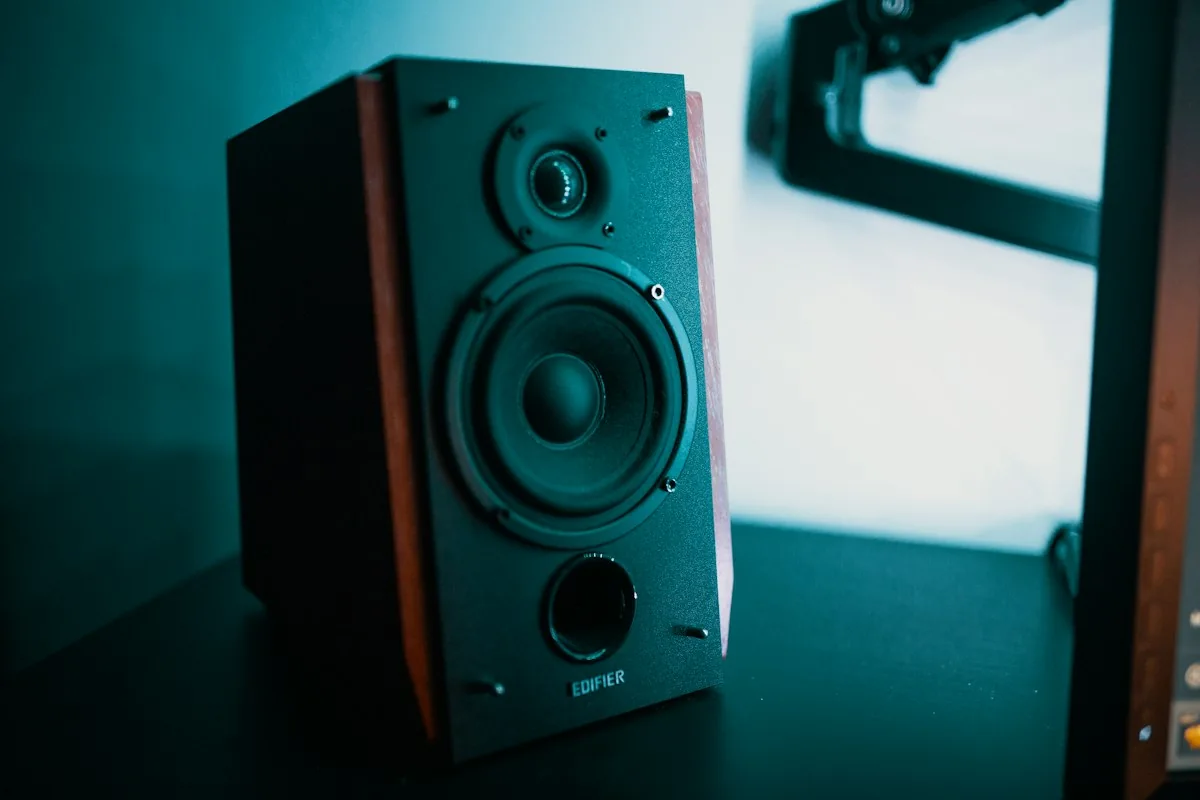
Smart IP speakers represent the complete convergence of telecommunications, professional audio, and IoT edge networking. In traditional public address systems, loudspeakers are completely passive electromagnetic transducers—entirely dependent upon distant, rack-mounted analog power amplifiers and vulnerable to line noise.
A Smart IP Speaker transforms every speaker into an intelligent, autonomous network computer. Integrating an onboard Ethernet controller, Digital Signal Processor (DSP), hardware audio decoder, and high-efficiency Class-D amplifier powered entirely by Power over Ethernet (PoE 802.3af/at), smart speakers eliminate analog amplifier racks entirely.
This technical guide explores the internal hardware architecture, SIP telephony integration, form factor selection, and installation best practices for smart IP loudspeakers.
---
1. Internal Hardware Architecture of a Smart IP Speaker
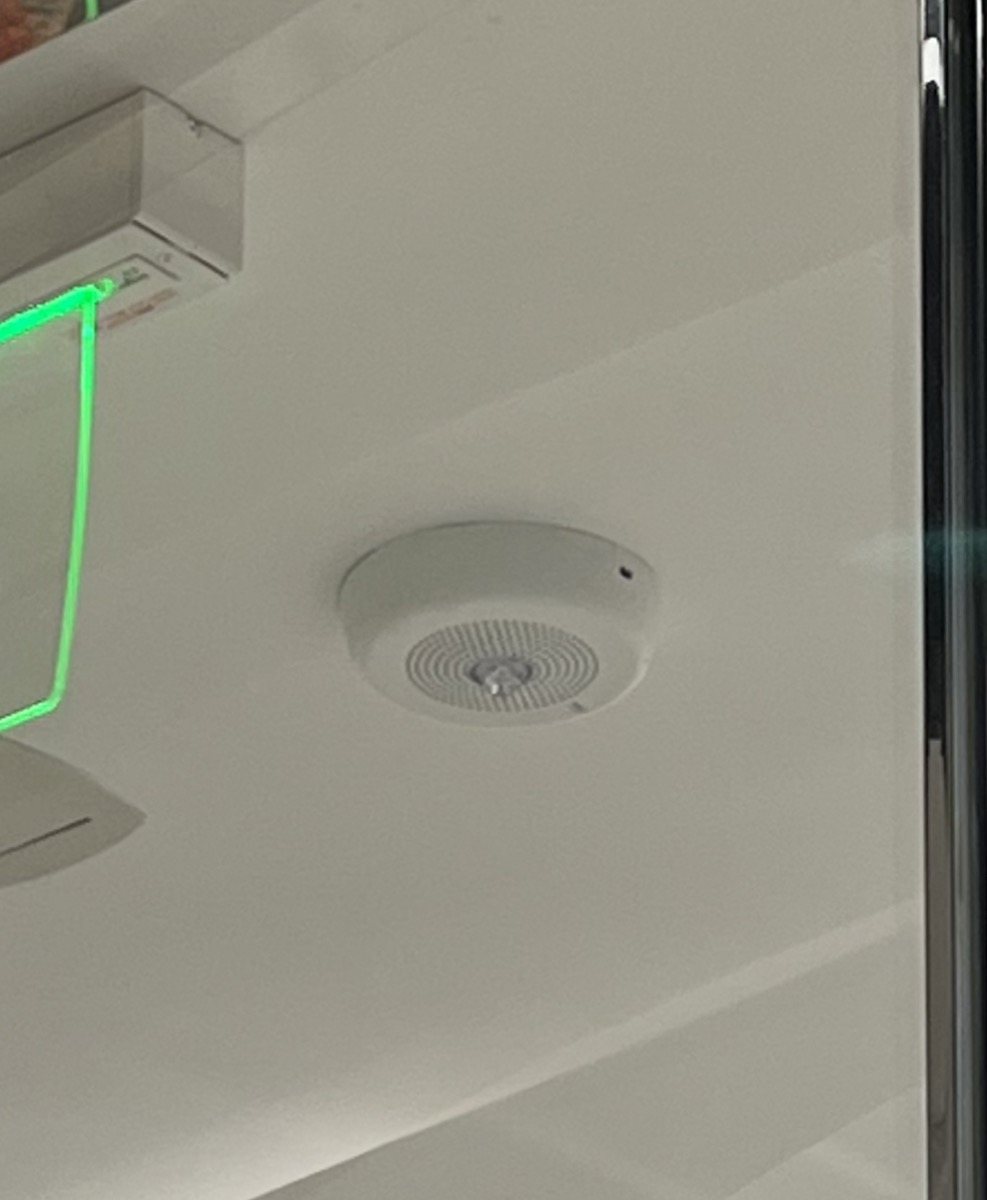
Inside an industrial or commercial IP loudspeaker, four functional stages operate in tight harmony:
[ Ethernet RJ45 Jack (Cat5e/Cat6) ]
                 │
                 ├── [ PoE Power Stage: 802.3af/at PD Controller -> 12V/24V Internal Rail ]
                 │
                 └── [ Network & Processing Core: ARM MCU/SoC, SIP/RTP Protocol Stack ]
                                         │  I2S Digital Audio
                                         ▼
                     [ DSP Audio Processor & High-Efficiency Class-D Amplifier ]
                                         │  Speaker Leads
                                         ▼
[ High-Sensitivity Speaker Driver (Mylar/Polypropylene) ]- PoE Power Splicing (PD Stage): The Power over Ethernet Powered Device (PD) controller extracts 48VDC phantom power from the incoming Ethernet cable pair and converts it into clean rails for the amplifier and digital silicon.
- Embedded Processing & Protocol Stack: An ARM Cortex-M or Cortex-A processor executes an embedded real-time network stack, managing DHCP, SIP registration, and RTP multicast decoding.
- DSP Signal Conditioning & Class-D Amp: Digital I2S audio streams into an onboard DSP that applies dynamic range compression (DRC), anti-clipping limiting, and multi-band parametric equalization tailored to the speaker enclosure, amplified by a high-efficiency Class-D power stage.
---
2. SIP VoIP Telephony Integration
One of the greatest operational advantages of IP speakers is their native ability to register as telephone extensions on standard enterprise SIP PBX systems:
[ Office IP Desk Phone / Smartphone App ] ──► (Dials Ext 104) ──► [ Enterprise IP PBX (Asterisk / 3CX) ]
                                                                                │
                                                                   SIP INVITE & RTP Audio
                                                                                │
                                                                                ▼
                                                                  [ Smart IP Speaker (Ext 104) ]
                                                                   - Auto-Answers Immediately
                                                                   - Mutes Local Background Music
- Broadcasts Live Announcement- Seamless Emergency Paging: Authorized personnel can initiate emergency facility-wide announcements directly from desk phones or smartphone softphones without walking to a dedicated broadcast console.
- Two-Way Intercom Functionality: Equipped with an optional built-in sensitive microphone and echo-cancellation DSP, an IP speaker functions as a full-duplex hands-free intercom, allowing listeners to communicate back to the control room.
---
3. Selecting the Correct Form Factor: Ceiling vs. Wall vs. Horn
| IP Speaker Form Factor | Typical Power Rating | Acoustic Coverage & Dispersion | Optimal Installation Environment |
|---|---|---|---|
| IP Ceiling Speaker | 10W to 15W PoE | 120° Conical wide dispersion; 84–88 dBA | Drop-ceiling offices, classrooms, hospital wards, retail |
| IP Wall Baffle Speaker | 15W to 25W PoE+ | 90° × 60° Directional throw; 88–94 dBA | Solid-ceiling corridors, cafeterias, building lobbies |
| IP Outdoor Horn Speaker | 30W to 50W PoE+/bt | Highly directional beam; >105 dBA | Outdoor perimeters, loading docks, sports stadiums, loud factories |
---
DeviceLab Smart IP Audio Endpoints
DeviceLab engineers robust IP speakers and audio decoders:
- AudioX SP-Series PoE Ceiling Speakers: Ultra-slim profile, coaxial two-way drivers (woofer + dome tweeter) delivering exceptional voice clarity and music fidelity.
- AudioX HN-Series Weatherproof IP Horns: Rugged IP67 aluminum enclosures delivering over 110dB SPL for industrial manufacturing plants and outdoor perimeter security.
- Turn-Key SIP & Multicast Firmware: Flawless interoperability with Cisco, Asterisk, Avaya, Grandstream, and Microsoft Teams SIP gateways.
Explore related technical resources: