
Designing a brilliant connected IoT hardware device is only half the commercial battle; legally bringing that device to market requires navigating the complex maze of national and international regulatory compliance. Any commercial hardware incorporating intentional wireless radiators (Wi-Fi, Bluetooth LE, Cellular 4G/5G, LoRaWAN, Sub-1GHz) is strictly regulated by government telecommunications authorities: the Ministry of Information and Communications (MIC) in Vietnam via QCVN standards, the Federal Communications Commission (FCC) in the United States, and the Radio Equipment Directive (CE RED) in the European Union.
Selling non-certified or non-compliant wireless equipment risks severe penalties: customs impoundment of production shipments, administrative fines, mandatory product recalls, and immediate blacklisting from commercial enterprise tenders.
This technical guide provides IoT hardware innovators with a clear roadmap for regulatory compliance: the primary QCVN, CE, and FCC standards, test sample preparation requirements, specialized RF test firmware engineering, and laboratory submission workflows.
---
1. Global IoT Regulatory Landscape: Vietnam QCVN, CE, and FCC
Regulatory frameworks vary by commercial jurisdiction:
[ International Market Target ]
 ├── Vietnam (MIC):   QCVN 54 (Wi-Fi/BLE), QCVN 117 (Cellular), QCVN 96 (EMC) -> ICT Mark
 ├── Europe (CE RED): EN 300 328 (2.4GHz), EN 301 489 (EMC), EN 62368-1 (Safety) -> CE Mark
 └── USA (FCC):       FCC Part 15 Subpart C (Intentional Radiators) -> FCC ID
Key Vietnam Standards (QCVN) Enforced by the Ministry of Information and Communications:
- QCVN 54:2020/BTTTT: National technical regulation on short-range radio communication equipment operating in the 2.4GHz band (Wi-Fi 802.11b/g/n, Bluetooth LE, Zigbee). Regulates maximum Equivalent Isotropically Radiated Power (EIRP ≤ 100mW / 20dBm) and spurious emissions.
- QCVN 65:2021/BTTTT: Technical regulation on radio equipment operating in the 5GHz band (Wi-Fi 802.11a/n/ac/ax). Enforces Dynamic Frequency Selection (DFS) to prevent interference with meteorological radar.
- QCVN 117:2020/BTTTT: Technical regulation on mobile telecommunications terminal equipment (2G/3G/4G LTE/LTE-M).
- QCVN 96:2015/BTTTT: National technical regulation on electromagnetic compatibility (EMC) for short-range radio equipment.
---
2. Preparing Hardware & RF Test Firmware for Lab Evaluation
Certification laboratories do not evaluate devices running production firmware. Because production devices sleep periodically and transmit sporadic bursts of data, lab test instruments cannot measure continuous radio spectrum metrics.
[ Production Firmware ]  ──► (Normal Operation: Sleep, Polling, Burst Telemetry)
                                    VS
[ Specialized RF Test Firmware ] ──► (Forced Continuous Carrier, Locked Frequency, Fixed Power)
Essential RF Test Firmware Functions:
- Continuous Transmit Mode (CW / Modulated): Forces the radio to transmit continuously on designated test channels (low, middle, and high channel of each band) at maximum rated output power.
- Duty Cycle Control: Allows lab technicians to lock transmission duty cycles (100% continuous or specific pulsed intervals).
- Continuous Packet Reception: Configures the receiver into continuous packet listening mode to measure Receiver Sensitivity and Bit Error Rate (BER).
- Serial AT Command Interface: Exposes a simple UART CLI over an onboard test header or micro-USB port, allowing technicians to switch frequencies and modulation schemes instantly.
---
3. Physical Test Samples & Documentation Package
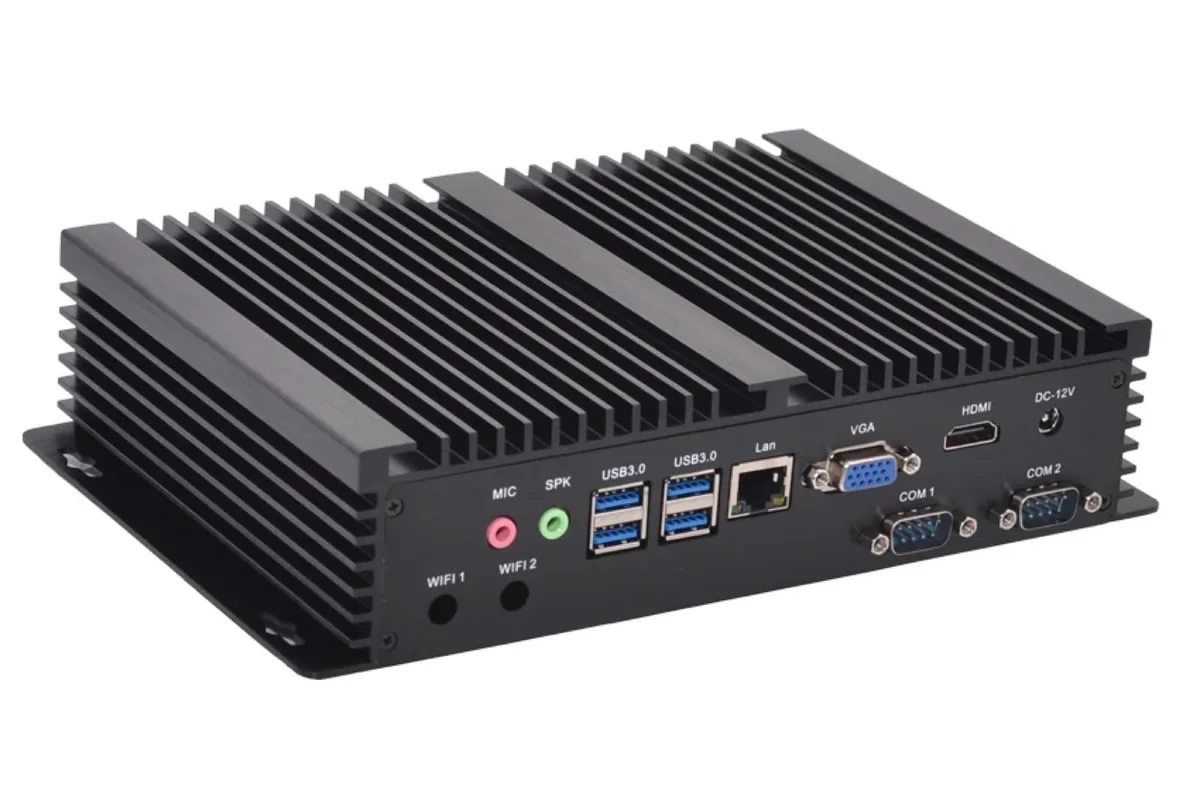
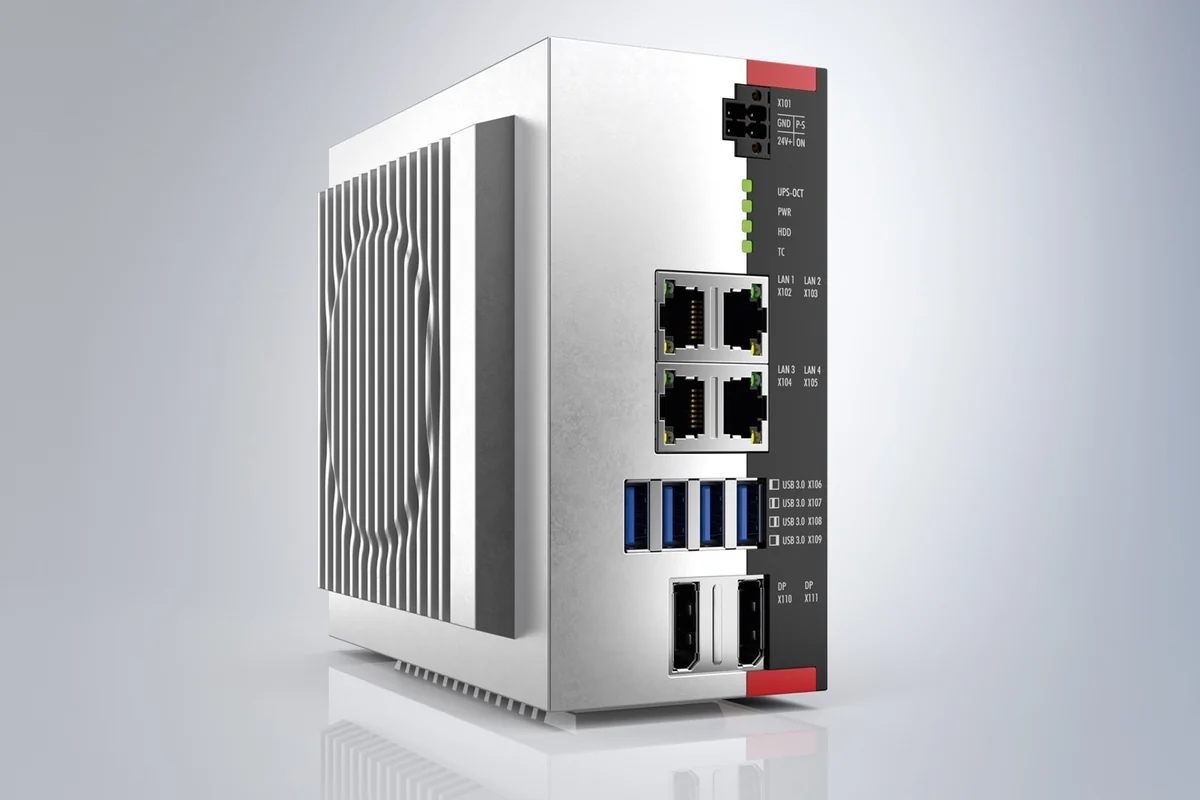
To achieve rapid certification without administrative rejection, manufacturers must submit a complete compliance package to the accredited testing laboratory:
- Hardware Samples: Typically 3 to 5 fully functional production-equivalent units inside final mechanical enclosures, accompanied by RF cable breakout adapters for conducted RF power measurements.
- Technical Construction File (TCF): Detailed block diagrams, circuit schematics, multi-layer PCB layout Gerbers, component bill of materials (BOM), antenna gain specification sheets, and bilingual operational manuals.
- Sub-Assembly Modular Grants: If utilizing pre-certified modules (e.g., Quectel, Espressif, Telit), supply the module manufacturer's existing test reports to claim modular compliance exemptions.
---
DeviceLab Regulatory Certification Support
DeviceLab guides connected hardware products through official compliance:
- Pre-Compliance In-House Testing: Pre-testing RF harmonic emissions, spurious radiated peaks, and ESD immunity in our laboratory before submitting samples to official testing bodies.
- Dedicated RF Test Firmware Engineering: Writing standardized, robust test firmware images with serial command menus for lab technicians.
- Full Dossier Management: Managing official submissions, testing coordination with designated laboratories, and obtaining the official ICT Type Approval certificate.
Explore our related hardware productization services: