
Modbus TCP is the adaptation of the venerable Modbus industrial messaging protocol engineered to execute natively over standard Ethernet TCP/IP networking stacks (defaulting to TCP port 502), enabling deterministic, high-bandwidth communications between PLCs, smart power meters, industrial IoT gateways, and enterprise SCADA/MES servers. By encapsulating the core Modbus Protocol Data Unit (PDU) inside an explicit 7-byte Modbus Application Protocol (MBAP) header, Modbus TCP eliminates the baud-rate and timing constraints of legacy serial buses while leveraging standard industrial Ethernet infrastructure.
In modern factory automation and smart utility facilities, Modbus TCP frequently acts as the high-speed data backbone—aggregating distributed RS485 subnets via multi-drop serial-to-Ethernet gateways or directly linking modern intelligent field instruments to supervisory control rooms. However, the architectural transition from serial Master/Slave mechanics to concurrent TCP Client/Server sockets requires rigorous network design: avoiding broadcast storm degradation, preventing socket starvation on embedded microcontrollers, and enforcing strict OT/IT firewall segmentation.
This comprehensive technical guide provides an exhaustive analysis of Modbus TCP: MBAP frame specifications, direct comparisons with Modbus RTU, high-efficiency polling strategies, and industrial cybersecurity deployment architectures.
---
1. What is Modbus TCP?
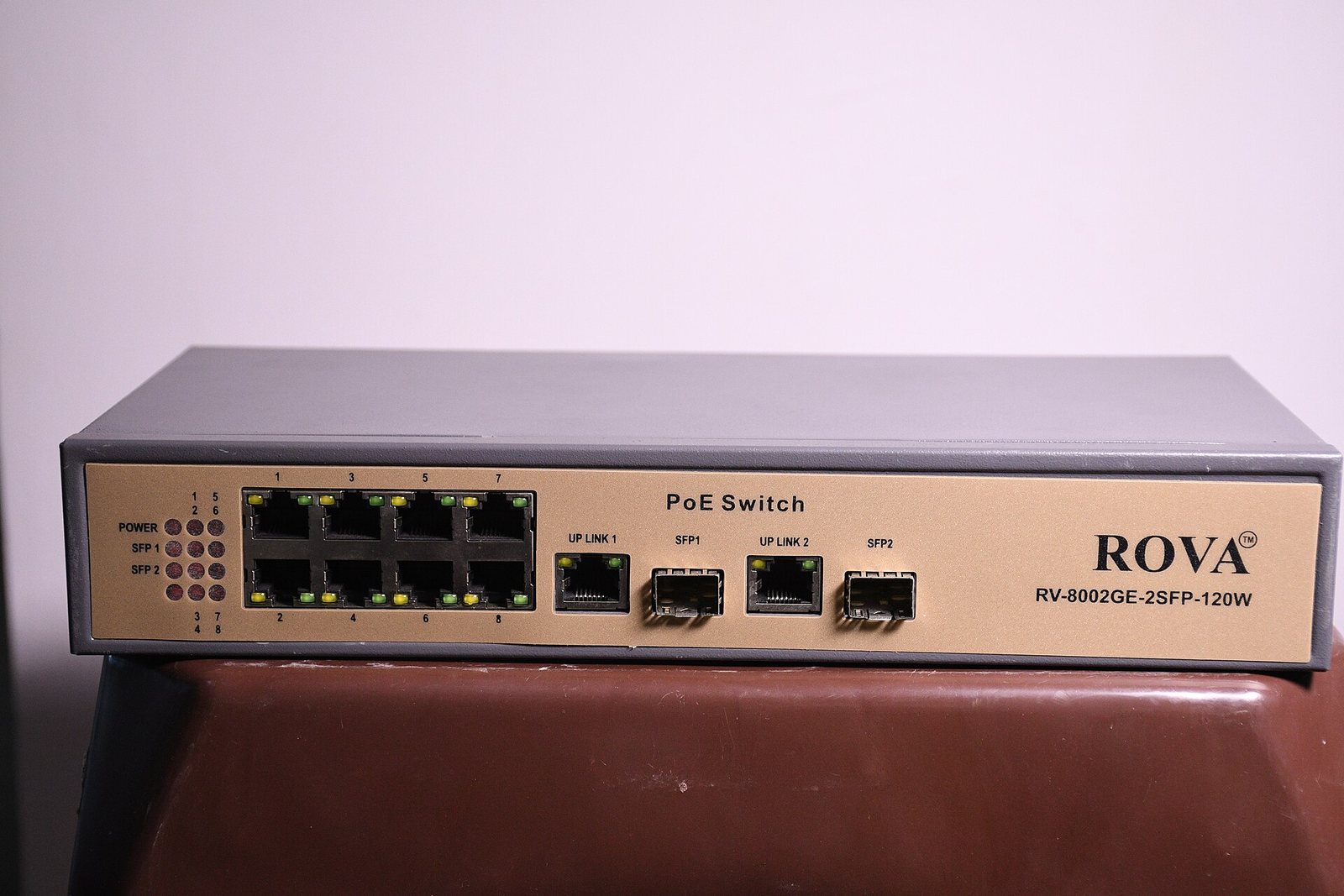
Modbus TCP operates at the Application Layer (Layer 7) of the OSI model, utilizing underlying TCP/IP transport (Layer 4) and network protocols (Layer 3) to transmit standardized read/write register command frames across Ethernet media (Cat5e/Cat6 copper, optical fiber, or industrial Wi-Fi).
+-----------------------------------------------------------+
| Layer 7 (Application): Modbus Application Protocol (PDU)  |
| Function Codes: 0x01 (Coils), 0x03 (Holding), 0x04 (Input)|
+-----------------------------------------------------------+
| Layer 4 (Transport): Transmission Control Protocol (TCP)  |
| Default Port: 502 (Dedicated IANA Registered Port)        |
+-----------------------------------------------------------+
| Layer 3 (Network): Internet Protocol (IPv4 / IPv6)         |
+-----------------------------------------------------------+
| Layers 1 & 2 (Link/Physical): IEEE 802.3 Industrial Ethernet|
| 10/100/1000 Mbps Base-T, Fiber Optic SFP, Managed VLANs   |
+-----------------------------------------------------------+
Unlike Modbus RTU—which relies strictly on idle line silence intervals to delimit packet boundaries—Modbus TCP specifies exact message byte counts directly within the MBAP header. Consequently, Modbus TCP packets can traverse commercial routers, layer-3 network switches, and encrypted industrial VPN tunnels without suffering from timing skew or frame fragmentation errors.
---
2. Anatomical Breakdown of the Modbus TCP Frame
A complete Modbus TCP Application Data Unit (ADU) consists of two contiguous sections: the 7-byte MBAP Header followed immediately by the standard Modbus PDU:
[---------------- MBAP Header (7 Bytes) ----------------] [--- Modbus PDU ---]
| Transaction ID (2B) | Protocol ID (2B) | Length (2B) | Unit ID (1B) | FC (1B) | Data (n B) |
Detailed MBAP Header Fields:
- Transaction Identifier (2 Bytes): A unique transaction token generated by the Client for each outbound request. The Server echoes back the identical Transaction ID in its corresponding response frame, allowing Clients to pipeline multiple asynchronous queries over a single persistent TCP socket without transaction cross-talk.
- Protocol Identifier (2 Bytes): Always hard-coded to
0x0000to designate the standard Modbus protocol suite. - Length (2 Bytes): Big-Endian integer denoting the exact number of remaining bytes in the frame (including the 1-byte Unit ID and all following PDU bytes).
- Unit Identifier (1 Byte): In pure end-to-end Ethernet implementations, this field is typically set to
0x00or0xFF. However, when communicating through a Modbus TCP-to-RTU gateway, this byte preserves the target serial slave address (1–247) to properly route packets across downstream RS485 multidrop segments.
---
3. Engineering Comparison: Modbus TCP vs. Modbus RTU
| Architectural Attribute | Modbus RTU (Serial) | Modbus TCP (Ethernet) |
|---|---|---|
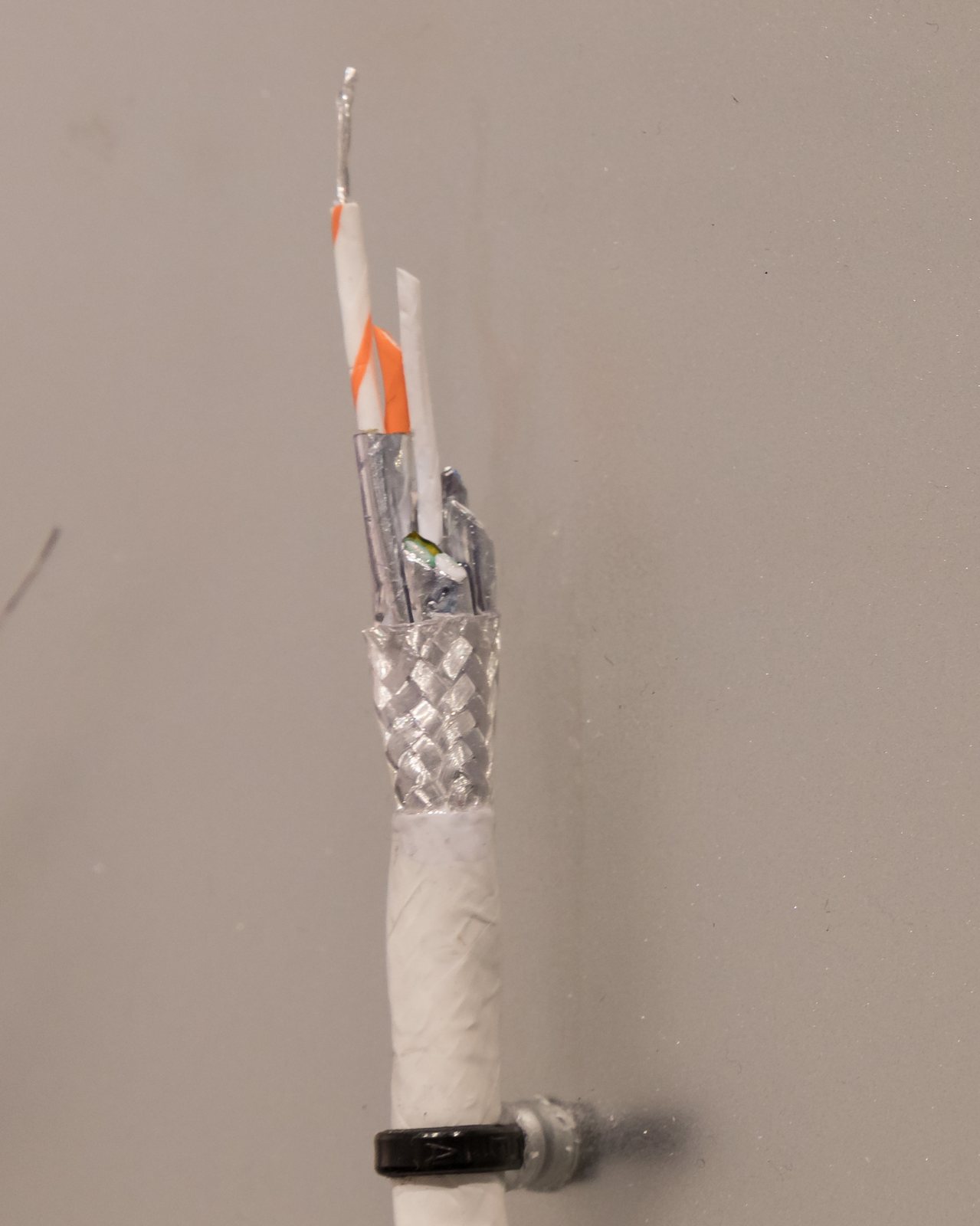
| Physical Media | RS485 / RS422 / RS232 Shielded Twisted Pair | Industrial Ethernet (Cat5e/Cat6, Multi-Mode Fiber) |
| Network Architecture | Single Master / Multi-Slave (One Master max) | Multi-Client / Multi-Server (Concurrent Sockets) |
| Error Verification | 16-bit CRC trailer appended to frame | Hardware Ethernet Layer 2 CRC + TCP Checksum |
| Communication Speed | 9,600 to 115,200 bps | 100 Mbps to 1 Gbps+ |
| Frame Delimitation | Silent interval timing (idle duration) | Explicit Length Field encoded in MBAP Header |
| Physical Distance | Max 1,200 meters per bus segment | 100 meters on copper; unlimited across routed IP/Fiber |
| Transport Protocol | Bare physical UART serial framing | TCP/IP on dedicated port 502 |
---
4. Architectural Topologies: Pure Ethernet vs. Hybrid Gateway
SCADA / MES / Central Dashboard (Modbus TCP Client)
                      │
                      ▼ Industrial Ethernet (TCP Port 502)
       ┌──────────────┴──────────────┐
       │                             │
       ▼                             ▼
Smart Ethernet Power Meter    Industrial IoT Gateway (Modbus TCP Server)
(Pure Modbus TCP Server)             │
                                     ▼ RS485 Bus (Modbus RTU)
                              ┌──────┴──────┐
                              ▼             ▼
                         VFD Inverter   Legacy PLC
Pure Modbus TCP Architecture
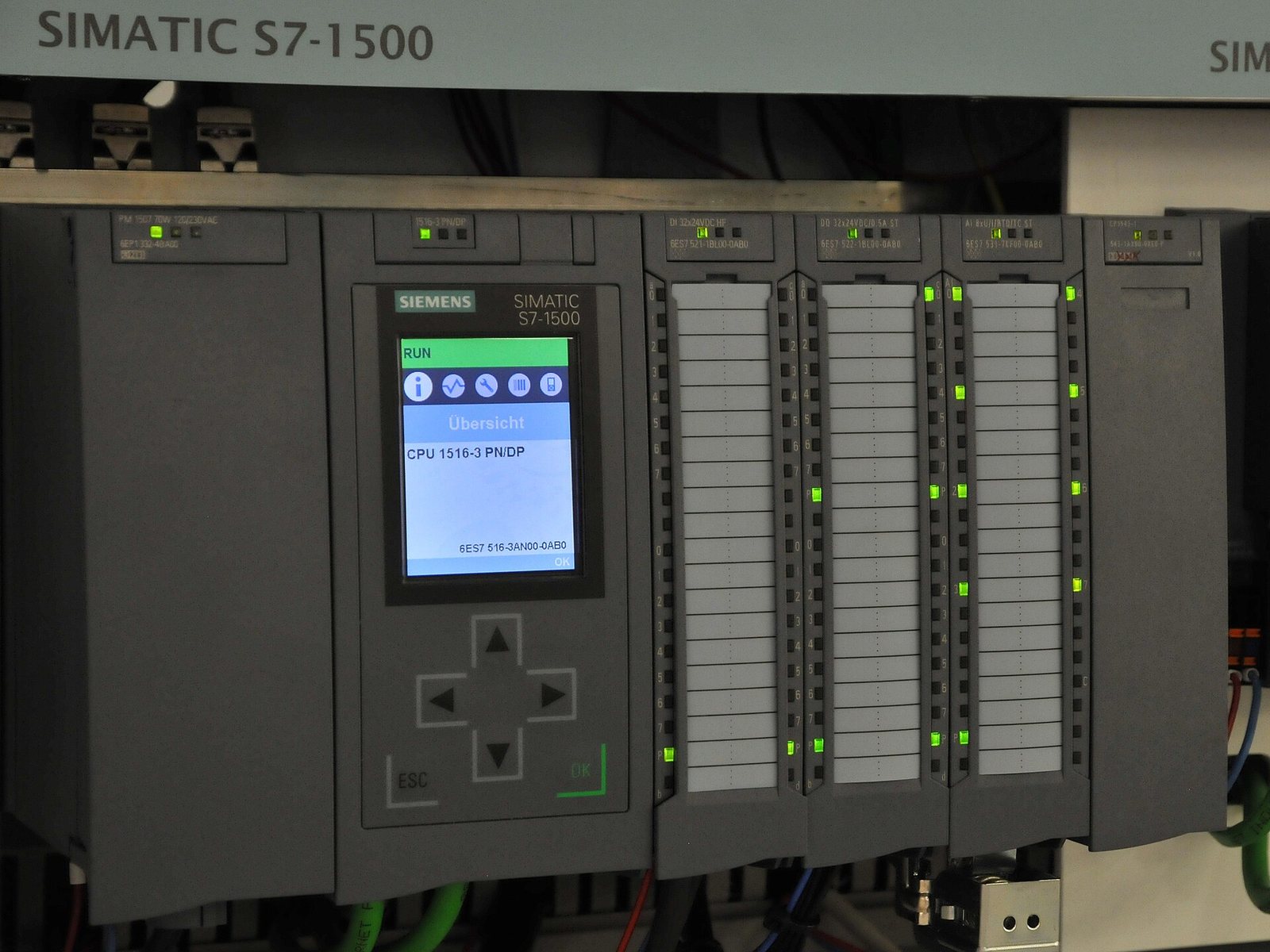
Modern intelligent devices (advanced energy analyzers, modern PLCs like Siemens S7-1200 or Schneider M241) feature integrated RJ45 Ethernet jacks. They listen natively on port 502 as Modbus TCP Servers, enabling high-speed polling intervals down to 50ms without physical serial bottlenecks.
Hybrid Modbus Gateway Architecture
Where legacy RS485 machinery coexists with modern networks, an Industrial Modbus Gateway acts as a bidirectional protocol converter. Upstream supervisory systems communicate with the gateway via Modbus TCP. The gateway maintains internal register cache tables, translates incoming requests into serial Modbus RTU packets, polls the targeted slave devices over RS485, and formats the response back into an MBAP frame.
---
5. Industrial Network Segmentation & Cybersecurity (OT vs. IT)
Because the classic Modbus protocol specification contains no native authentication, encryption, or access control mechanisms, exposing Modbus TCP devices directly to broader office IT networks or the public internet represents a critical vulnerability.
[ Enterprise IT Network / Cloud ]
               │
   ┌───────────┴───────────┐
   │ Enterprise Firewall   │
   └───────────┬───────────┘
               │ (Strict Rules: Block Port 502 from Internet)
[ Demilitarized Zone (DMZ) / SCADA Jump Host ]
               │
   ┌───────────┴───────────┐
   │ Industrial OT Firewall│
   └───────────┬───────────┘
               │ (Isolated OT VLAN: Subnet 192.168.10.x)
[ Dedicated Operational Technology (OT) Network ]
   ├── Modbus TCP Industrial Gateway (IP: 192.168.10.10)
   ├── Ethernet Power Meters (IP: 192.168.10.20-30)
└── Main Machine PLCs (IP: 192.168.10.50)- Enforce OT VLAN Isolation: Assign all industrial Modbus TCP devices to a dedicated physical or virtual local area network (VLAN) isolated from commercial IT traffic and guest Wi-Fi.
- Restrict Port 502 Ingress: Configure industrial firewall rules to permit TCP port 502 traffic exclusively between authorized SCADA client IP addresses and registered field servers.
- Deploy Edge Proxy Gateways: When streaming telemetry to cloud endpoints (AWS IoT, Azure, private servers), route data through an industrial edge gateway that converts internal Modbus TCP polls into encrypted outbound MQTT over TLS 1.3 connections.
---
DeviceLab Industrial Ethernet & Modbus Solutions
DeviceLab provides comprehensive industrial networking and hardware engineering capabilities:
- Custom Modbus TCP Edge Gateways: High-performance ARM Cortex-A processors running Embedded Linux with dual Gigabit Ethernet ports, isolated RS485 serial fieldbuses, and on-board hardware cryptographic acceleration.
- Embedded Protocol Stacks: Deterministic, thread-safe Modbus TCP Client and Server C/C++ firmware libraries engineered for FreeRTOS and bare-metal microcontrollers.
- Industrial Network Commissioning: On-site VLAN architecture planning, Wireshark packet capture analysis, socket timeout optimization, and legacy PLC bridging.
Related technical resources: