

A Modbus RS485 Gateway is an industrial edge communication device engineered to bridge field devices operating on serial Modbus RTU over an RS485 differential bus with higher-level supervisory networks—including SCADA, MES, enterprise clouds, and IoT dashboards. Depending on the deployment architecture, the gateway converts serial Modbus RTU frames into Modbus TCP over Industrial Ethernet, or normalizes field telemetry into modern event-driven protocols such as MQTT/TLS, HTTP REST APIs, and OPC UA.
RS485 and Modbus are fundamentally distinct concepts: RS485 represents the physical signaling layer and electrical bus specification, whereas Modbus is the application-level data formatting protocol. Selecting the correct gateway requires a meticulous engineering evaluation of physical electrical characteristics, protocol dialects, register memory layouts, and environmental noise conditions.
This technical guide clarifies when commercial off-the-shelf (COTS) gateways are sufficient, when custom hardware engineering is mandatory, and the essential field parameters required before initiating deployment.
---
1. What is a Modbus RS485 Gateway?
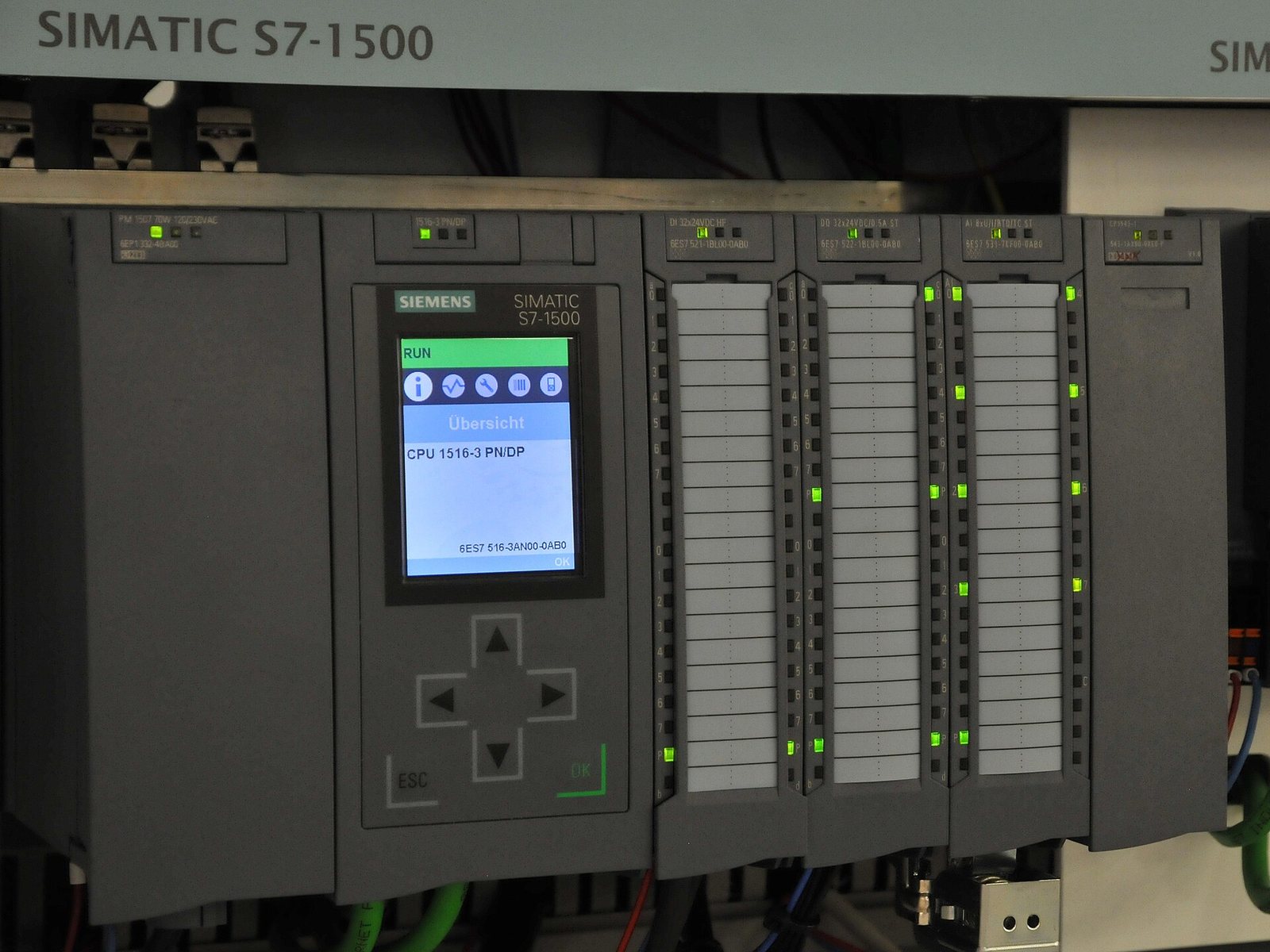
A Modbus RS485 Gateway acts as an intelligent protocol translator and edge aggregation node. It continuously polls downstream slave instruments (power meters, VFD inverters, temperature transmitters, PLCs) via Modbus RTU, unpacks binary registers, applies mathematical scaling and calibration, and pushes structured telemetry to upstream monitoring infrastructure.
Field Instruments / Meters / PLCs
               ↓
        RS485 Physical Bus
               ↓
        Modbus RTU Protocol
               ↓
    Industrial Modbus Gateway
               ↓
Ethernet / Cellular / Wi-Fi (MQTT, OPC UA, Modbus TCP)
               ↓
SCADA / MES / Time-Series Database / Cloud
Depending on hardware specifications and firmware capability, an industrial gateway can execute:
- Bidirectional Register I/O: Reading sensor registers and writing command setpoints back to field actuators.
- Protocol Translation: Converting Modbus RTU serial packets to Modbus TCP frames, MQTT JSON payloads, or OPC UA nodes.
- Edge Data Preprocessing: Applying linear scaling multipliers, calculating running averages, and detecting threshold violations locally.
- Store-and-Forward Buffering: Queuing historical telemetry in internal non-volatile memory during network drops to guarantee zero data loss.
---
2. Decoupling RS485, Modbus RTU, and Modbus TCP
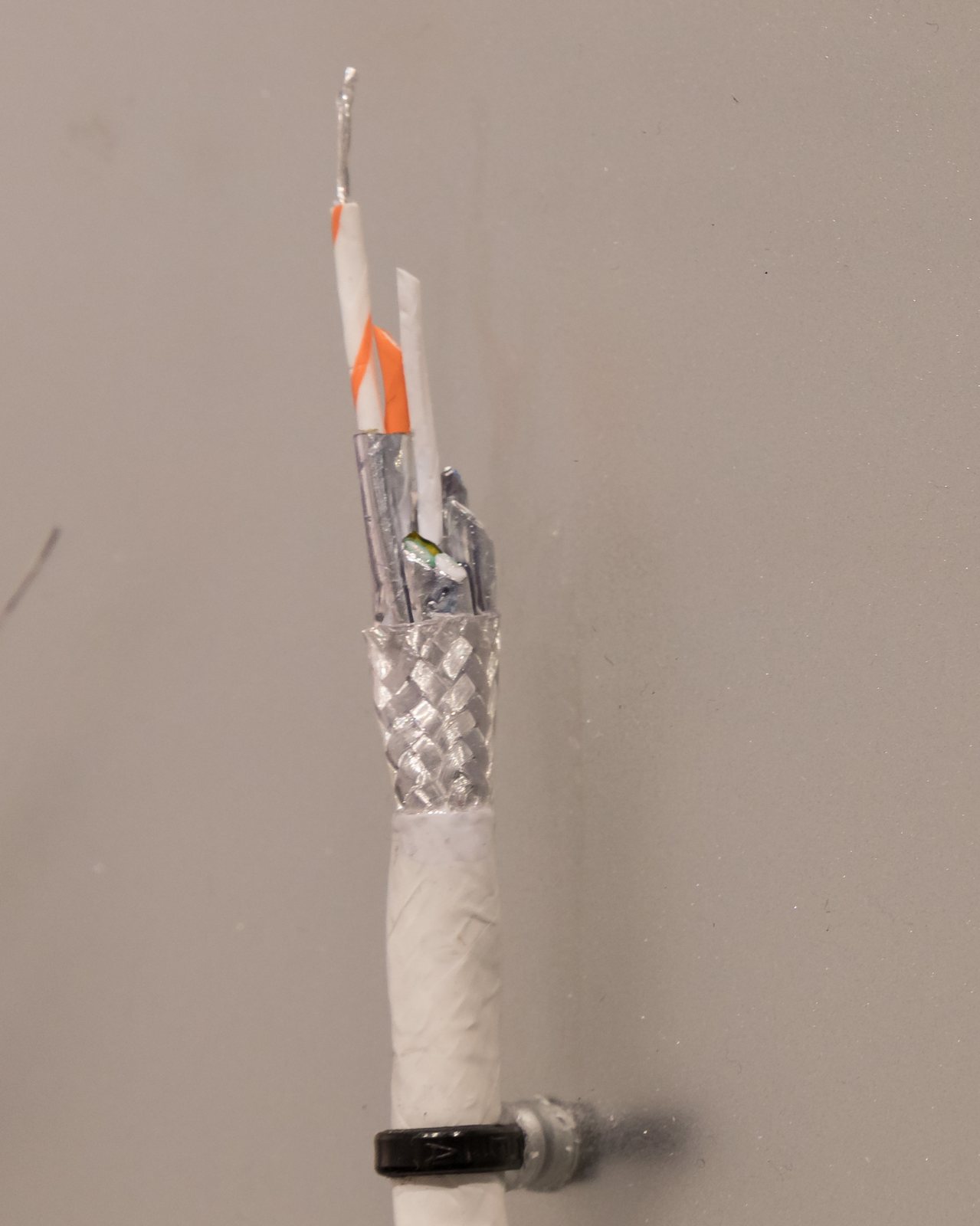
Confusing physical media with software protocols is a frequent source of deployment errors:
| Architectural Layer | Role & Definition | Engineering Example |
|---|---|---|
| RS485 | Physical signaling & transmission bus | 2-wire differential half-duplex cable |
| Modbus RTU | Binary serial application protocol | Cyclical polling with 16-bit CRC checksum |
| Industrial Ethernet | High-speed physical & link layer | 100BASE-TX / 1000BASE-T Cat6 cabling |
| Modbus TCP | Modbus protocol encapsulated in TCP/IP | Port 502 socket streaming with MBAP Header |
| Modbus Gateway | Hardware bridge and protocol converter | Bidirectional RS485 to Ethernet/Cellular converter |
- Having an RS485 port does not imply Modbus: An RS485 serial bus frequently carries other protocols such as BACnet MS/TP, DMX512, PROFIBUS DP, or custom ASCII strings.
- Having Modbus does not imply RS485: Modbus TCP executes natively over standard Ethernet switches and optical fiber without RS485 serial transceivers.
Master/Slave vs. Client/Server Paradigm
Modbus RTU operates on a strict Master/Slave architecture: exactly one Master exists on the serial bus to initiate request frames; Slaves remain completely passive until explicitly addressed. In contrast, Modbus TCP operates on a Client/Server model: upstream supervisory systems act as Clients opening TCP connections to the Gateway acting as a Modbus Server.
---
3. When is a COTS Modbus Gateway Sufficient?
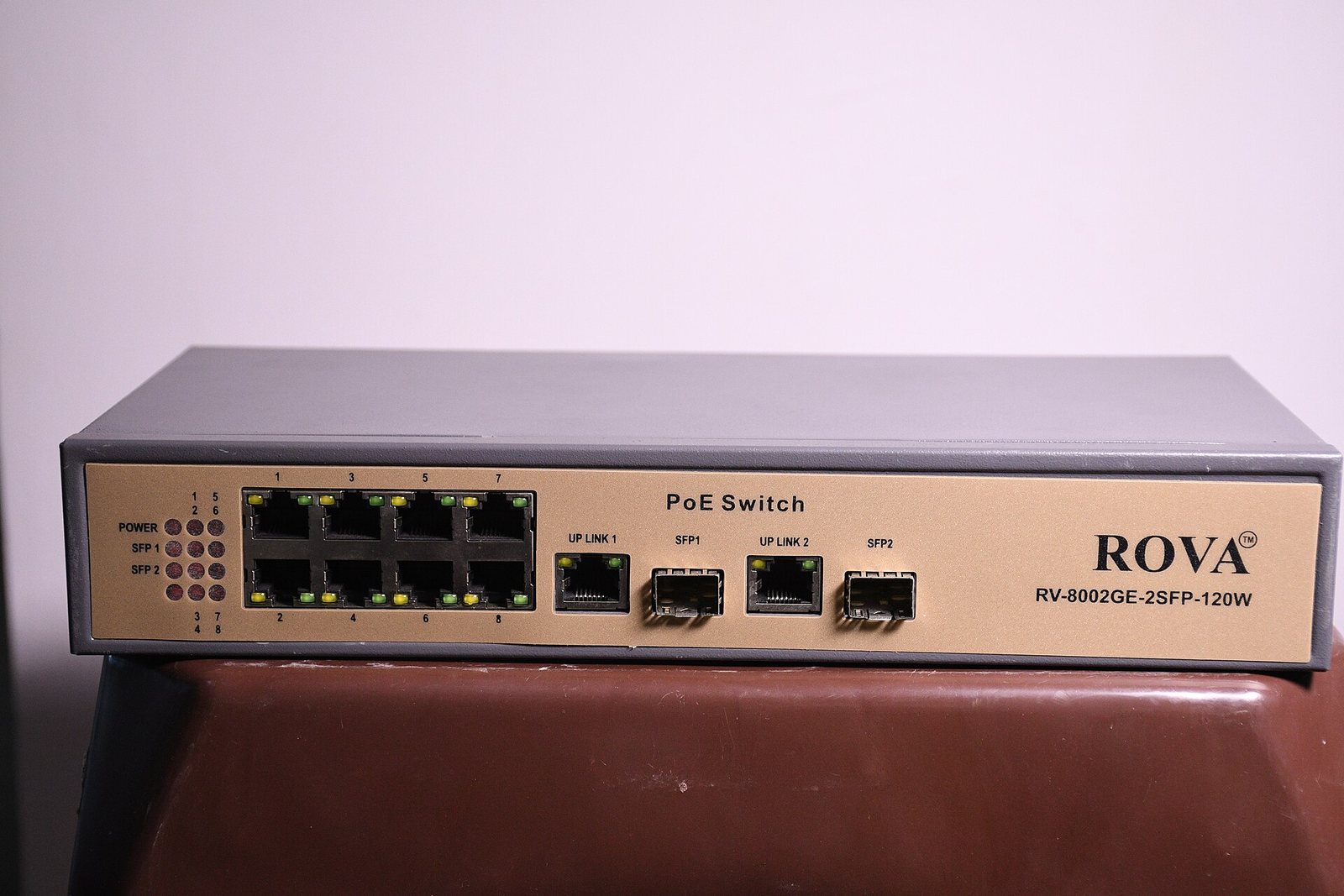
Commercial Off-The-Shelf (COTS) gateways (e.g., Moxa, Advantech, Teltonika) represent the most cost-effective path when project requirements fit standard parameters:
Clear Protocol Docs -> Standard Bus Length (<500m) -> Up to 31 Slaves -> COTS Gateway
COTS gateways are recommended when:
- All field devices strictly follow standard Modbus RTU with vendor-supplied register maps.
- Baud rates, parity, and slave addresses are fully configurable across all instruments.
- The total number of nodes per bus is below 31 devices, with total cable length within normal limits.
- The factory electrical environment has moderate electromagnetic interference (EMI) within standard transceiver limits.
- The deployment does not require custom local digital/analog I/O pins, onboard battery backup, or proprietary enclosures.
- A rapid Proof of Concept (PoC) is required to validate cloud connectivity within 1 to 2 weeks.
---
4. When is a Custom Modbus / RS485 Gateway Required?

Enterprises frequently encounter physical or functional limitations where COTS hardware fails to satisfy long-term operational or economic goals:
COTS Configuration -> Custom Firmware -> Custom Interface Shield -> Full Custom Hardware PCBA
1. Protocol Constraints
Integration of undocumented, legacy, or proprietary non-standard serial protocols. Multi-protocol environments mixing Modbus RTU, BACnet MS/TP, and proprietary UART on the same machine.
2. Hardware Interface Density
Requirement for 4 to 8 independent, galvanically isolated RS485 ports to poll hundreds of meters concurrently without serial bus bottlenecks. Requirement for auxiliary digital inputs (counter/pulse), analog inputs (4–20mA, 0–10V), or relay outputs directly on the gateway PCBA.
3. Edge Intelligence & Fail-Safe Operation
Complex polling logic: Dynamic polling intervals prioritizing active machines while throttling idle equipment. Onboard SQLite/Flash store-and-forward buffering capable of retaining weeks of telemetry during broadband outages. Dual-bank fail-safe bootloader supporting secure remote Over-the-Air (OTA) firmware updating.
4. Mechanical & Environmental Rigor
Ultra-compact DIN-rail footprint required inside crowded electrical cabinets. High-voltage surge environments requiring 2.5kV or 5kV galvanic isolation (ADM2483/ISO3082 transceivers).
5. Productization & BOM Economics
OEM/ODM commercialization where scaling to hundreds or thousands of deployed units makes $200–$400 COTS gateways economically unviable compared to a dedicated $35–$60 custom-engineered PCBA.
---
5. Pre-Deployment Field Survey Checklist

Before ordering gateway hardware or writing firmware, complete this engineering checklist:
[ 1. Device Survey ] -> [ 2. Register Map ] -> [ 3. Topology & Termination ] -> [ 4. Gateway Selection ]
- Protocol Specifications: Modbus RTU vs. Modbus ASCII; Slave Address list; Baud rate (9600, 19200, 38400, 115200); Data bits, Parity (None, Even, Odd), and Stop bits (1 or 2).
- Register Map Architecture: Register starting offsets (0-indexed vs. 1-indexed); Function Codes (01 Read Coils, 03 Read Holding Registers, 04 Read Input Registers); Data types (INT16, UINT32, FLOAT32 IEEE 754); Endianness (ABCD, CDAB, BADC, DCBA); Engineering scaling units.
- Physical Cabling & Topology: Bus topology verification (strictly daisy-chained without star taps); Total cable distance; Cable type (Shielded Twisted Pair - STP); 120Ω termination resistor placement at both physical ends of the line.
- Electrical Grounding & Isolation: Ground potential differentials between connected cabinets; High-voltage VFD proximity; Need for isolated RS485 transceivers.
- Upstream Network Specifications: Industrial Ethernet, 4G LTE cellular, or Wi-Fi; Protocol requirements (Modbus TCP Server, MQTT Client, Sparkplug B, REST API).
---
DeviceLab Custom Gateway Engineering & Integration

DeviceLab provides comprehensive industrial connectivity engineering—from field survey and COTS evaluation to fully custom-engineered gateway electronics:
- Multi-Port Isolated RS485 Hardware: Custom ARM Cortex-M and Cortex-A PCBAs with up to 8 isolated serial fieldbus channels, 2.5kV surge isolation, and wide 9–36VDC power inputs.
- Industrial Edge Firmware: Real-time FreeRTOS or Embedded Linux stacks featuring dynamic polling engines, store-and-forward SQLite databases, TLS 1.3 mTLS security, and cellular watchdog recovery.
- Full ODM/OEM Production: From prototype bring-up and EMC compliance pre-compliance testing to high-volume SMT PCBA manufacturing.
Learn more about our related industrial engineering capabilities: