
When engineering an Industrial IoT (IIoT) ecosystem, engineering leadership faces a pivotal strategic dilemma: deploy Commercial Off-The-Shelf (COTS) gateways or invest in custom hardware design? Choosing COTS delivers rapid market entry and pre-certified reliability for low-volume deployments. Conversely, custom hardware engineering delivers drastic BOM cost reductions, tailored sensor interface density, optimized physical dimensions, and total ownership over the 10-to-15-year silicon lifecycle.
A dogmatic approach in either direction often derails enterprise digitization: forcing expensive $500 COTS boxes into high-volume commercial products destroys profit margins, while attempting custom ground-up silicon design for a 10-machine pilot triggers needless R&D delays.
This guide provides an objective, engineering-driven decision framework comparing COTS, custom design, and hybrid architectures across development timelines, unit economics, supply chain resilience, and long-term maintenance.
---
1. What is COTS vs. Custom Hardware in Industrial IoT?
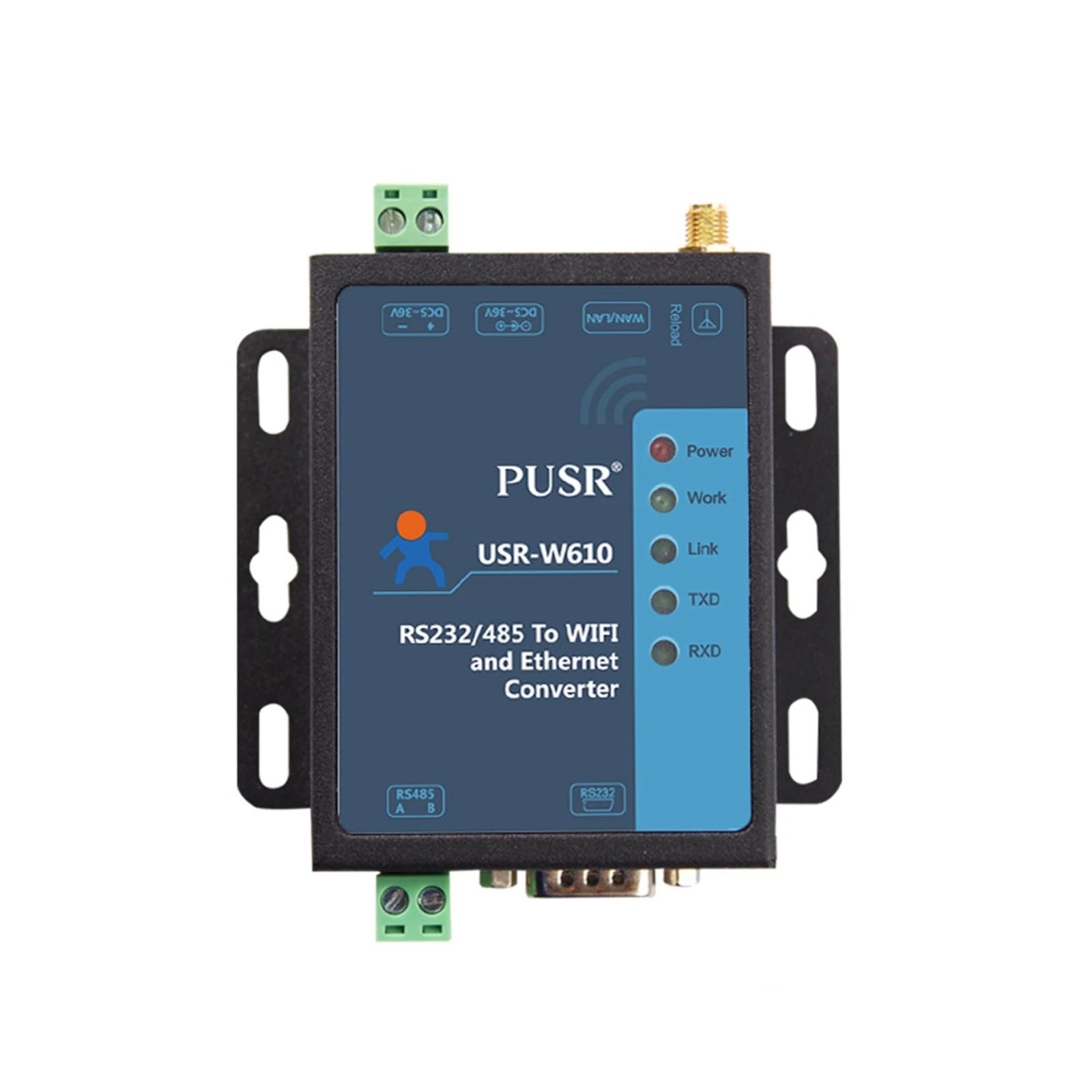
[ COTS Gateway: Pre-packaged, certified, fixed I/O, $250 - $600/unit ]
                             VS
[ Hybrid Architecture: Standard SOM + Custom Industrial Carrier Board ]
                             VS
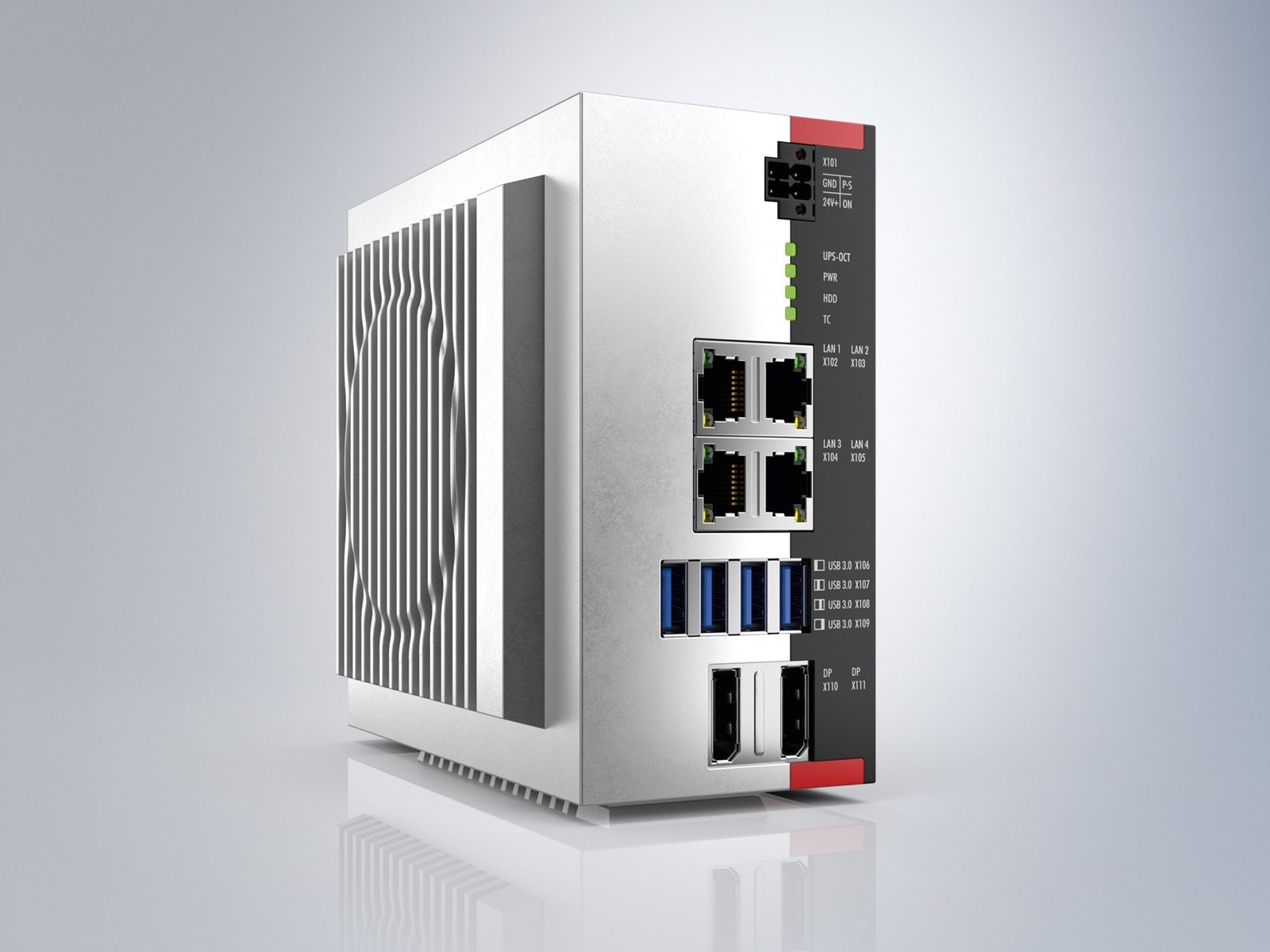
[ Custom Hardware: Fully proprietary PCBA, optimized BOM, $35 - $80/unit ]- COTS (Commercial Off-The-Shelf): Standardized, finished industrial computers and gateways (e.g., Moxa, Advantech, Siemens, Teltonika) equipped with generic enclosures, standard certifications (CE, FCC, UL), and pre-loaded operating systems.
- Custom Hardware Design: Proprietary printed circuit board assemblies (PCBAs) engineered specifically for an enterprise's functional brief—integrating exact microcontroller silicon, required sensor interfaces, wide-range DC surge protection, and custom mechanical enclosures.
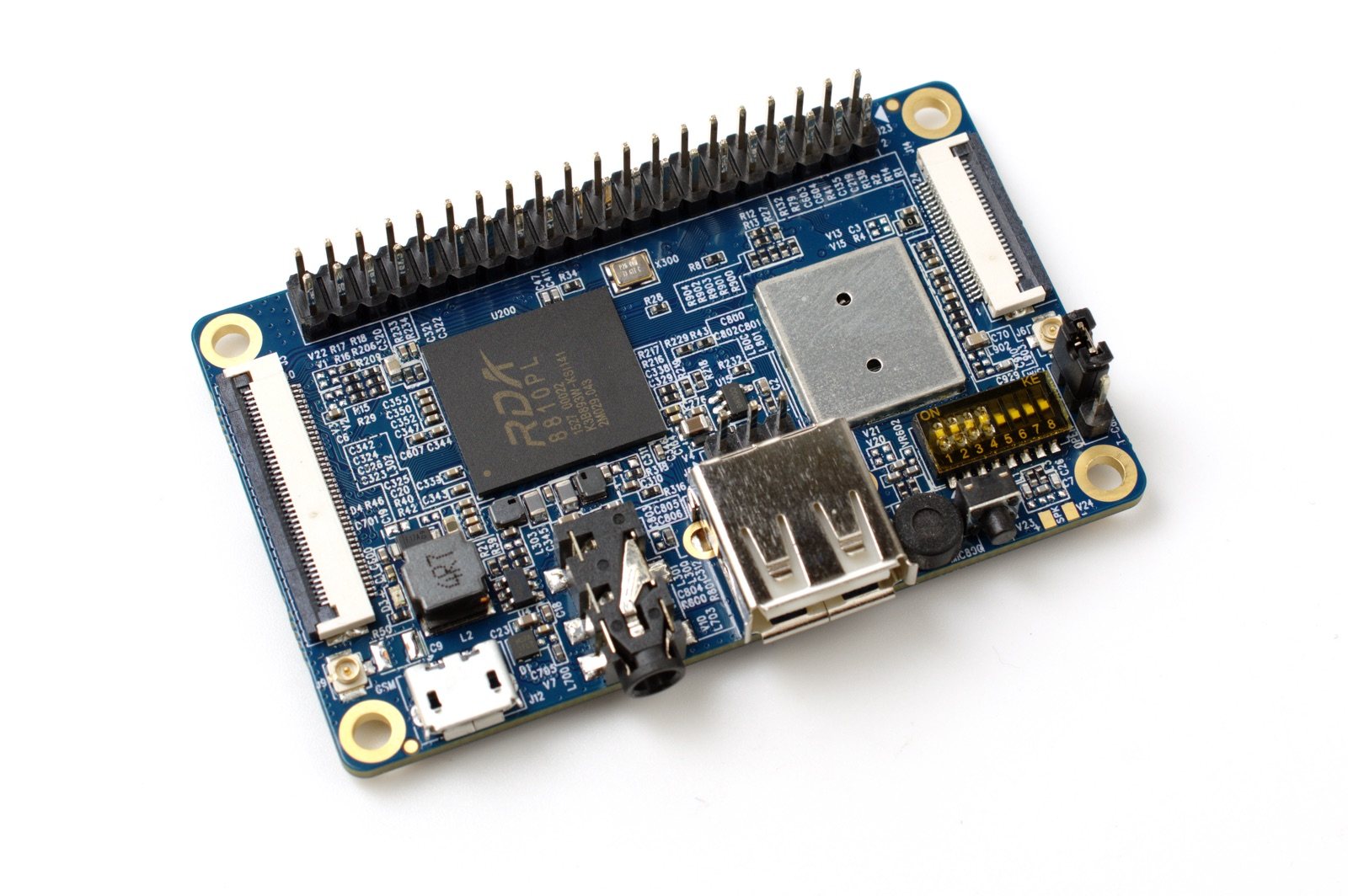
- Hybrid (Carrier Board + SOM): Leveraging a commercially available System-on-Module (SOM) or Computer-on-Module (COM)—such as Raspberry Pi CM4, Toradex, or NXP i.MX8—mounted onto a custom-engineered baseboard containing industrial power supplies, isolated RS485 transceivers, and field connectors.
---
2. Comprehensive Trade-off Matrix: COTS vs. Custom Design
| Engineering Dimension | Commercial Off-The-Shelf (COTS) | Custom Hardware Design (ODM) | Hybrid (SOM + Custom Carrier) |
|---|---|---|---|
| Initial NRE / R&D Cost | Zero to minimal ($0 – $5,000) | Moderate to High ($15,000 – $45,000) | Low to Moderate ($5,000 – $15,000) |
| Unit Hardware Cost (BOM) | High ($250 to $650 per unit) | Low ($35 to $85 per unit) | Moderate ($90 to $160 per unit) |
| Time-to-Market (PoC) | Rapid (1 to 3 weeks) | 3 to 6 months (design, fab, bring-up) | 6 to 10 weeks |
| I/O & Peripheral Match | Generic (many unused ports) | 100% exact match to sensor brief | High (carrier matches field I/O) |
| Supply Chain Control | Zero (vulnerable to vendor EOL) | 100% (second-source BOM control) | Moderate (dependent on SOM vendor) |
| Firmware & Security Control | Constrained by vendor BSP | Full bare-metal & kernel autonomy | Full application & driver autonomy |
| Economic Break-Even Point | Below 100–150 units | Above 250–500 units | 100 to 300 units |
---
3. When COTS Gateways Are the Right Engineering Decision
COTS gateways represent the ideal engineering path under the following project parameters:
- Low Deployment Volume: When the project demands fewer than 100 total nodes. Amortizing $25,000 in Non-Recurring Engineering (NRE) across 50 units adds $500 per unit, negating PCBA cost savings.
- Immediate Pilot Validation: When stakeholders require field telemetry within 3 to 4 weeks to demonstrate feasibility or secure internal executive funding.
- Standardized Industrial Protocols: When all targeted field assets communicate via standard Modbus RTU, Modbus TCP, or PROFINET with no proprietary serial framing.
- Permissive Space Constraints: When electrical distribution cabinets have ample empty DIN-rail space and standard 24VDC control power rails.
---
4. When Custom Hardware Engineering Becomes Mandatory
Enterprises must transition to custom hardware design when facing physical, technical, or financial thresholds:
Volume > 300 Units OR Multi-Sensor I/O Needed OR Strict Space Limits -> Custom Hardware
1. Unit Economics at Scale
If deploying 1,000 energy monitoring endpoints, paying $350 for a COTS gateway totals $350,000. Engineering a dedicated custom PCBA with a unit manufacturing cost of $55 results in total production hardware costs of $55,000. Even after factoring in $25,000 in one-time NRE development fees, the enterprise saves $270,000 in capital expenditure.
2. Specialized Interface Density
COTS boxes rarely offer the exact combination of peripherals required by complex OEM machines—for instance, requiring 4 isolated RS485 buses, 6 high-speed pulse counters for flowmeters, 4 PT100 RTD temperature channels, and an integrated 4G modem on a single board. Bridging this with COTS requires stacking multiple external expansion modules, inflating cost and failure points.
3. Footprint & Enclosure Form Factors
Embedding IoT capabilities directly inside specialized medical equipment, agricultural pumps, or space-constrained CNC control panels requires a board engineered to match the mechanical chassis, heat sink mounting points, and vibration damping requirements.
4. Long-Term Supply Chain & EOL Guarantee
Commercial gateway vendors routinely redesign models or deprecate product lines every 3 to 5 years. For industrial automation systems with 10-to-15-year operational lifespans, custom hardware design guarantees BOM lifecycle control with pre-vetted drop-in pin-compatible component alternatives.
---
DeviceLab Hardware Engineering Methodology

DeviceLab bridges the gap between rapid proof of concept and scalable mass manufacturing:
- Phase 1 (Validation with COTS/SOM): Rapid 2-to-4-week validation of protocol decoding, cloud telemetry schemas, and operational dashboards using bench prototypes.
- Phase 2 (Custom Carrier / Full Custom PCBA): Schematic design, multi-layer PCB layout with EMC/EMI suppression, thermal modeling, and rapid 3D enclosure prototyping.
- Phase 3 (Turn-Key Mass Production): Component procurement, automated SMT assembly, automated in-circuit functional testing (ICT), conformal coating, and final industrial box-build packaging.
Explore our related engineering disciplines: