

Industrial IoT (IIoT - Industrial Internet of Things) is the networked ecosystem of physical industrial assets—including sensors, programmable logic controllers (PLCs), production machinery, and edge computing devices—interconnected with enterprise management platforms and cloud analytics to collect, process, and act upon real-time operational telemetry. Unlike consumer IoT, which prioritizes user convenience and smart home automation, IIoT targets mission-critical manufacturing objectives: optimizing Overall Equipment Effectiveness (OEE), eliminating unplanned line stoppages through predictive maintenance, cutting energy waste, and enforcing physical workplace safety.
Within the Industry 4.0 paradigm, IIoT is far more than simply bolting wireless sensors onto legacy hardware. It represents an architectural convergence between two historically siloed domains: Operational Technology (OT)—demanding microsecond determinism, continuous 24/7/365 physical uptime, and fail-safe safety—and Information Technology (IT)—excelling in scalable compute, distributed storage, big data pipelines, and machine learning.
This comprehensive technical guide breaks down IIoT fundamentals: the ISA-95 automation hierarchy, the architectural differences separating consumer IoT from industrial systems, proven high-ROI application scenarios, and a disciplined 4-stage deployment roadmap for manufacturing operations.
---
1. What is Industrial IoT (IIoT)?
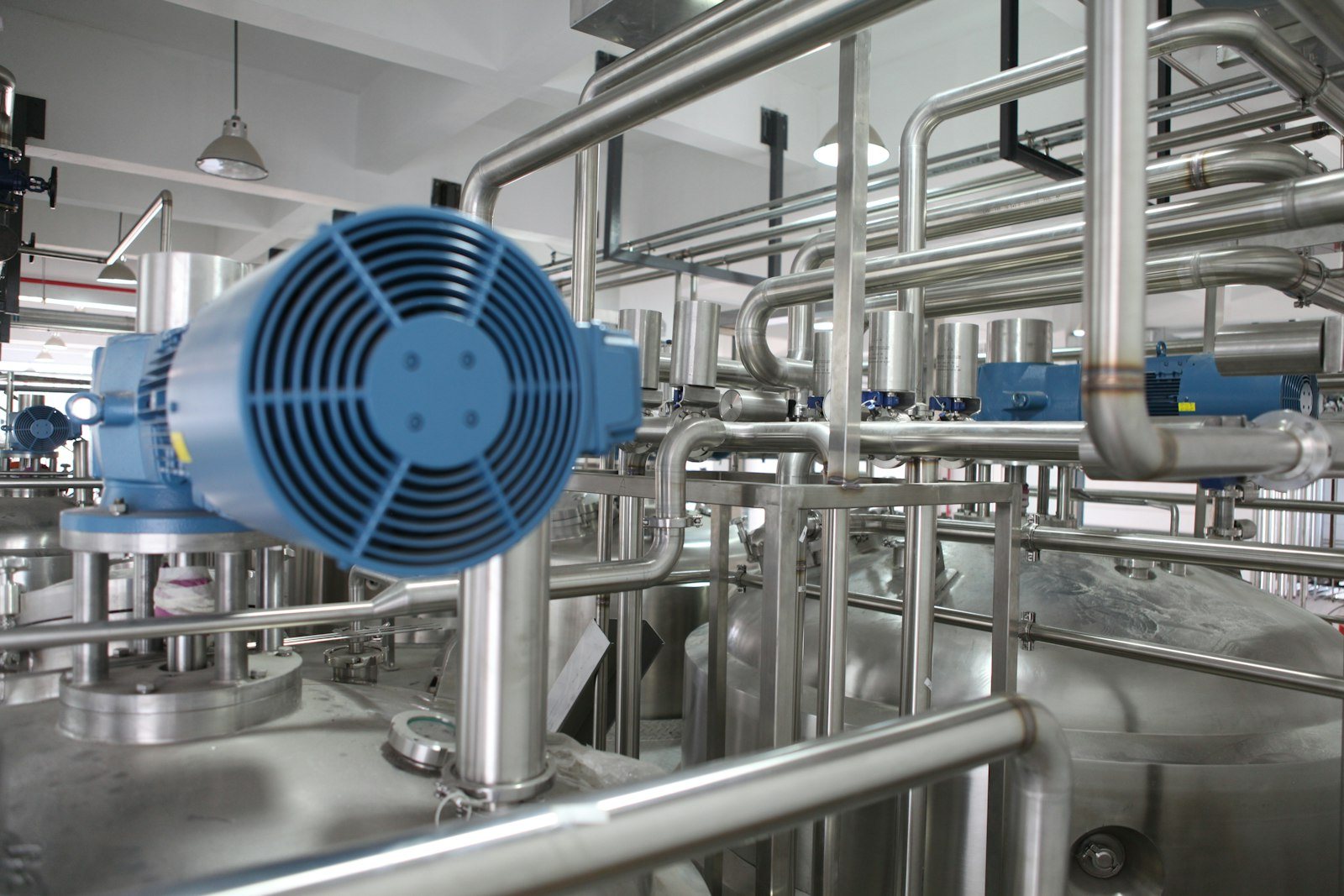
IIoT encompasses the industrial-grade hardware, fieldbus communication protocols, edge computing nodes, and analytical software platforms engineered to operate reliably in harsh, high-noise manufacturing, energy, chemical, and logistics environments.
The foundational mission of IIoT is transforming "data-dark" mechanical equipment and isolated PLC islands into transparent Digital Assets. Plant engineers and operations leadership gain continuous real-time visibility into machine status, cycle times, power factors, and mechanical wear—detecting subtle anomalies weeks before catastrophic physical failure occurs.
+-------------------------------------------------------------+
| Level 4: Enterprise ERP / Cloud Analytics / BI Platforms     |
+-------------------------------------------------------------+
                               ^
                               | (IIoT Direct Cross-Layer Uplink)
+-------------------------------------------------------------+
| Level 3: MES / SCADA / Production Historians                |
+-------------------------------------------------------------+
| Level 2: PLCs / HMIs / Distributed Control Systems (DCS)    |
+-------------------------------------------------------------+
| Level 1: Field Sensors / Actuators / Motors / VFD Inverters |
+-------------------------------------------------------------+
Traditionally under the classic Purdue Model (ISA-95), operational data was forced to traverse strictly sequential, hierarchical layers from Level 1 up to Level 4 through complex, proprietary middleware. Modern IIoT architectures deploy intelligent Industrial Edge Gateways that tap directly into Level 1 fieldbuses and Level 2 PLC memory in parallel, streaming normalized metrics directly to MES or Cloud servers without interrupting high-speed, closed-loop machine control cycles.
---
2. Consumer IoT vs. Industrial IoT (IIoT): Core Engineering Differences
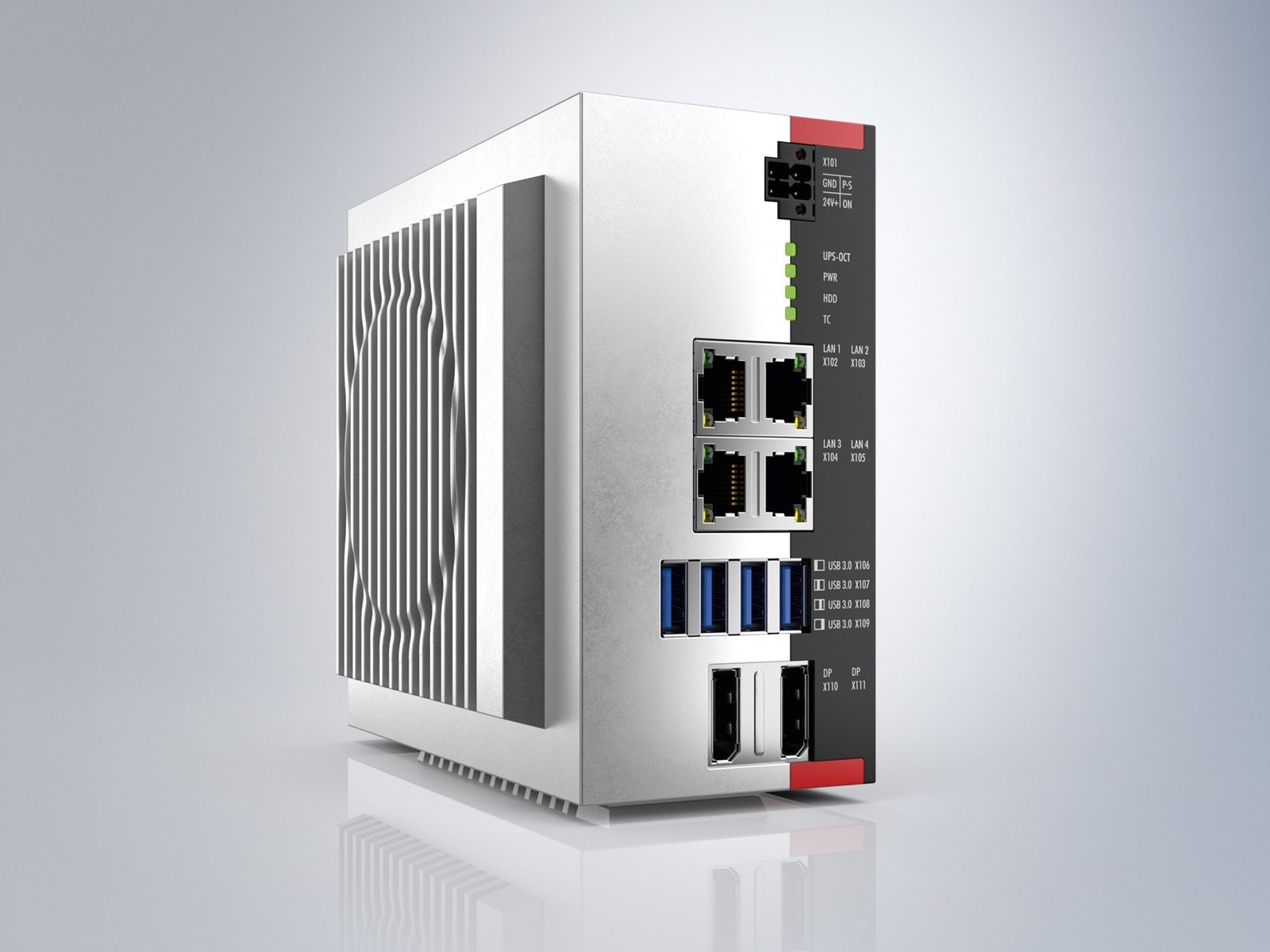
Many industrial digitization initiatives stall or fail because commercial off-the-shelf consumer IoT hardware is mistakenly deployed into harsh manufacturing environments. The engineering tolerances required differ substantially:
| Engineering Parameter | Consumer IoT (Smart Home / Wearables) | Industrial IoT (Manufacturing & Energy) |
|---|---|---|
| Operating Environment | Climate-controlled indoor environments (20°C to 35°C) | Extreme heat, conductive dust, oil mist, heavy vibration (-20°C to +70°C) |
| System Availability | Periodic reboots and transient dropouts acceptable | 99.999% high availability, continuous 24/7/365 deterministic uptime |
| Latency & Determinism | Seconds of network latency tolerable | Sub-millisecond determinism for interlocking and safety trip monitoring |
| Communication Protocols | Wi-Fi 802.11, Bluetooth LE, Zigbee, Matter | Modbus RTU/TCP, PROFINET, EtherCAT, CANopen, MQTT over TLS, OPC UA |
| Cybersecurity Posture | Personal data privacy, basic Wi-Fi WPA2/WPA3 | Defense-in-depth, zero-trust network segmentation, IEC 62443 compliance |
| Hardware Lifecycle | 1 to 3 years before obsolescence | 10 to 20 years with guaranteed long-term component availability |
| Primary Economic Objective | Lifestyle convenience and user engagement | Scrap reduction, OEE maximization, energy management, zero unplanned downtime |
---
3. The 4-Tier Architecture of a Production IIoT Ecosystem

A scalable, fault-tolerant IIoT deployment consists of four distinct architectural tiers:
[ Tier 4: Enterprise Cloud & Applications (Dashboards, AI Analytics, ERP) ]
                                   ^
                                   | (MQTT / TLS 1.3, HTTPS REST, AMQP)
[ Tier 3: Industrial Networking & Security (4G/5G Cellular, Ethernet, OT VLAN) ]
                                   ^
[ Tier 2: Edge Computing & IoT Gateways (Protocol Normalization, Buffering) ]
                                   ^
                                   | (Modbus RTU, RS485, IO-Link, CAN 2.0B, 4-20mA)
[ Tier 1: Field Perception Layer (Accelerometers, Temperature, PLCs, Meters) ]
Tier 1: Perception Layer (Field Sensors & Actuators)
Comprises physical measurement transducers (tri-axial piezo accelerometers, infrared pyrometers, hydraulic pressure cells, split-core Rogowski coils, ultrasonic flowmeters) and native machine controllers (Siemens S7, Mitsubishi MELSEC, Omron, Delta, Schneider Electric PLCs).
Tier 2: Edge Computing & IoT Gateway Layer
The hardware cornerstone of shop-floor digitization. Industrial IoT Gateways and Edge IPCs perform three vital functions:
- Protocol Normalization: Bridging legacy serial fieldbuses (Modbus RTU on RS485) and proprietary automation links into lightweight, structured event messages (MQTT with JSON or Sparkplug B payloads, OPC UA).
- Edge Analytics & Filtering: Executing local outlier rejection, running running-average windowing algorithms, and triggering millisecond-level alarm thresholds without cloud round-trip latencies.
- Store-and-Forward Buffering: Preserving incoming telemetry in non-volatile local flash storage during telecommunication dropouts, back-filling cloud databases once cellular or broadband links restore.
Tier 3: Industrial Networking & Cybersecurity Layer
Interconnects field gateways with enterprise servers via managed Industrial Ethernet switches, optical fiber backbones, or ruggedized industrial 4G/5G cellular modems. Network architectures must enforce strict firewall boundaries isolating office IT networks from factory OT networks per ISA/IEC 62443 guidelines.
Tier 4: Enterprise Applications & Cloud Analytics Layer
Centralized cloud infrastructure (AWS IoT Core, Microsoft Azure IoT Hub, or on-premise private Kubernetes clusters) ingests validated telemetry into time-series databases (TimescaleDB, InfluxDB), populates operational dashboards, and executes predictive machine learning models.
---
4. High-ROI Applications of Industrial IoT in Manufacturing
1. Predictive Maintenance (PdM)
Traditional plant maintenance swings between two inefficient extremes: reactive maintenance (repairing equipment only after it breaks, triggering devastating downtime) and preventive maintenance (replacing components according to static operating schedules, discarding parts with remaining useful life).
With IIoT, high-bandwidth vibration sensors and current signature analysis monitor motor bearings continuously:
- As subsurface spalling or bearing cage micro-cracks form, high-frequency acceleration spectra shift weeks before audible noise or temperature spikes occur.
- Automated alerts generate work orders in CMMS platforms, allowing maintenance crews to swap bearings during planned shift changeovers, driving catastrophic failure rates toward zero.
2. Overall Equipment Effectiveness (OEE) Tracking
OEE is the gold standard manufacturing metric, derived from Availability × Performance × Quality:
- Edge gateways ingest optical workpiece triggers and PLC error codes directly from the production line.
- The system automatically captures micro-stoppages (jams lasting under 60 seconds), slow cycle execution, and idle running that manual operator clipboards consistently miss.
- Clear, real-time Pareto charts on overhead monitors give production supervisors immediate diagnostic insights into root causes of lost throughput.
3. Energy Management Systems (EMS)
Rising electricity tariffs and carbon footprint regulations necessitate granular energy accounting:
- Multi-channel smart power meters installed across sub-stations, motor control centers (MCC), and high-consumption machinery (air compressors, chillers, heating ovens) stream three-phase electrical telemetry.
- IIoT platforms correlate active power (kW), total consumption (kWh), power factor (cos φ), and harmonic distortion (THD), warning operators before utility penalties for poor power factor trigger.
- Energy costs are mapped directly to specific production batches, identifying inefficient recipe configurations or leaking compressed air lines.
---
5. The 4-Stage IIoT Deployment Roadmap (Avoiding the Pilot Trap)
Many digitization initiatives become stranded in endless "pilot purgatory" by attempting to rebuild the entire plant infrastructure overnight. DeviceLab advises a phased, risk-mitigated methodology:
[ Phase 1: Focused Bottleneck PoC ]
                 ↓ (4 - 6 Weeks: Validate Data Integrity & ROI)
[ Phase 2: Gateway & Network Standardization ]
                 ↓ (2 - 3 Months: Expand Across Entire Workshop)
[ Phase 3: Enterprise Integration (MES / ERP) ]
                 ↓ (Month 6+: Synchronize Financials & Operations)
[ Phase 4: Advanced Edge AI & Closed-Loop Optimization ]- Phase 1 — Focused Bottleneck PoC: Target the single most failure-prone machine cell on the factory floor. Deploy non-invasive sensors and one industrial gateway to monitor vibration and power. Prove measurable data value within 30 days.
- Phase 2 — Gateway & Network Standardization: Transition from ad-hoc prototyping hardware to DIN-rail industrial gateways. Establish isolated OT VLANs, implement mTLS encryption, and standardize data payloads using MQTT/JSON.
- Phase 3 — Enterprise Integration: Ingest clean production counts and machine operational states directly into ERP and MES platforms to automate real-time production costing and inventory reconciliations.
- Phase 4 — Advanced Analytics & Edge AI: Once 6 to 12 months of pristine time-series telemetry is archived, train supervised machine learning models to forecast component failures and dynamically modulate power schedules.
---
DeviceLab Industrial IoT Engineering Capabilities
DeviceLab delivers end-to-end hardware engineering and industrial fieldbus integration for enterprises scaling IoT deployments:
- Custom IoT Gateway & Sensor Node Design: Ruggedized PCBAs featuring 8kV/15kV ESD protection, 9–36VDC wide-input industrial power stages with reverse-polarity protection, galvanically isolated RS485/CAN interfaces, and integrated 4G LTE-M / NB-IoT connectivity.
- Embedded Firmware & Edge Computing: Deterministic FreeRTOS and Embedded Linux firmware on ARM Cortex-M and Cortex-A processors, featuring independent hardware watchdogs and zero-brick dual-bank A/B OTA update engines.
- Shop-Floor Systems Integration: On-site electrical cabinet assessments, legacy machine register mapping (Fanuc, Mitsubishi, Siemens, Heidenhain), and turn-key telemetry uplinks to custom SCADA or enterprise clouds.
Explore our related engineering capabilities and case studies: