
Technical criteria for selecting IoT Gateways in mechanical and electrical (M&E) bidding dossiers encompass 10 mandatory requirements: wide industrial power input of 9-36VDC with reverse polarity protection; fanless operating temperature of -20°C to +75°C; independent lab electromagnetic compatibility (EMC) testing reports under IEC 61000-4-2/4/5; 2,500Vrms galvanic optical isolation; open multi-protocol BMS support (Modbus TCP, BACnet/IP, MQTT); IEC 62443 operational technology (OT) cybersecurity; certified factory Co/Cq documentation; full VAT compliance; and a minimum 24-month manufacturer warranty.
In high-profile commercial developments, modern hospitals, data centers, and multinational manufacturing campuses across Southeast Asia, mechanical and electrical (M&E) contractors and building management system (BMS) integrators face rigorous scrutiny from project management consultants (PMC) and owner representatives. A single rejected Material Approval Request (MAR) or Request for Approval (RFA) can halt milestone disbursements and jeopardize overall project schedules. This comprehensive guide outlines the 10 mandatory technical selection criteria, deep-dives into accredited EMC test parameters, details IEC 62443 OT cybersecurity requirements, and provides a proven 6-step MAR approval workflow.
M&E Bidding Specification Essentials (Key Takeaways):
- Power & Temperature: 9-36VDC wide input with reverse polarity protection; fanless aluminum case rated -20°C to +75°C.
- EMC Lab Reports: Mandatory test certificates under IEC 61000-4-2 (ESD Level 4), IEC 61000-4-4 (EFT), IEC 61000-4-5 (Surge).
- Dielectric Isolation: 2.5kVrms galvanic isolation on all serial communication ports and power rails.
- BMS Protocol Stack: Native concurrent support for Modbus RTU/TCP, BACnet/IP, and secure TLS 1.3 MQTT.
- Legal Dossier Compliance: 100% genuine VAT invoicing, factory inspection certificates (Co/Cq), and 24-month manufacturer warranty.
10-Point Technical Evaluation Checklist for M&E Bidding Dossiers
| Item | Technical Specification Criteria | Bidding Acceptance Standard | Common Contractor Deficiencies |
|---|---|---|---|
| 1 | Operating Voltage Range | 9 – 36VDC wide input, reverse polarity & overvoltage clamp | Using 5V or 12V fixed consumer adapters that blow during generator switchover. |
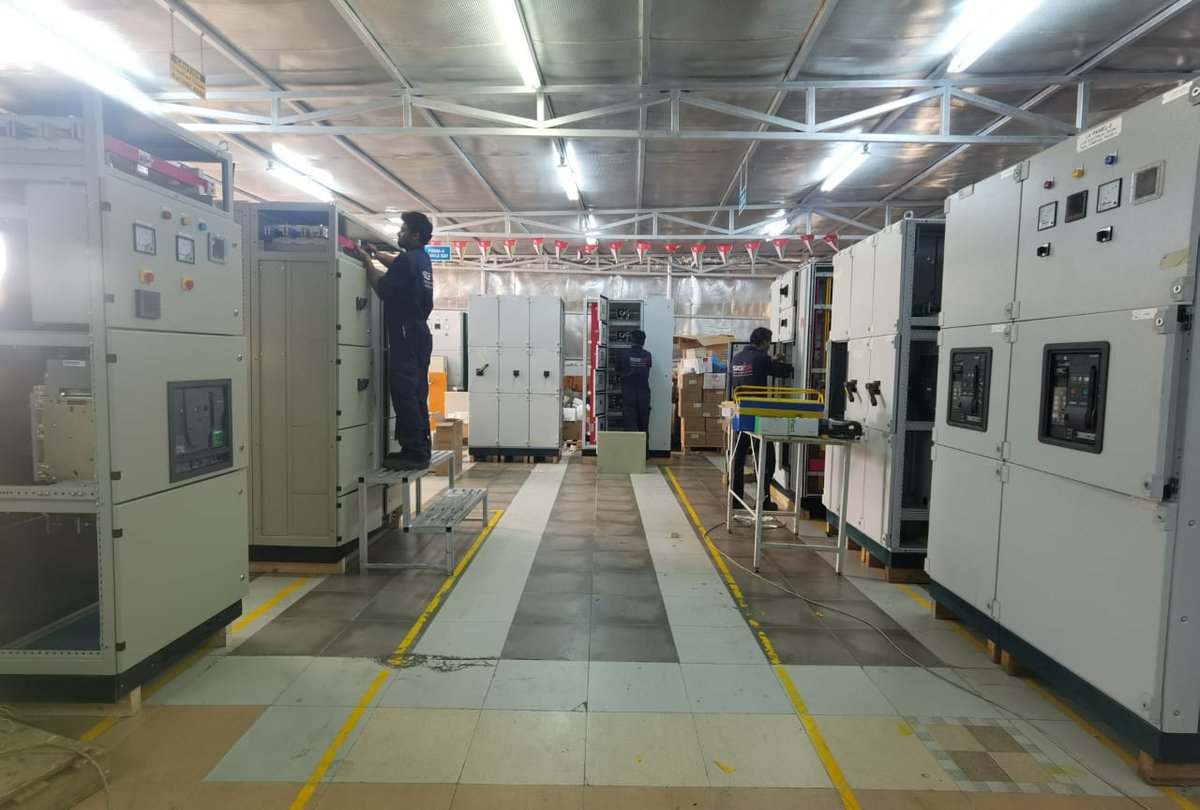
| 2 | Thermal Envelope & Enclosure | -20°C to +75°C, fanless passive cooling, extruded aluminum IP30/IP40 | Plastic enclosures warping inside 60°C rooftop electrical switchgear. |
| 3 | EMC Immunity (IEC 61000-4) | Level 4 ESD (±15kV air), Level 3/4 EFT (±2kV), Surge (±2kV to ±4kV) | Uncertified generic devices lacking independent lab test credentials. |
| 4 | Galvanic Isolation Barrier | ≥ 2,500Vrms optical/magnetic isolation on all RS485 channels | Non-isolated transceivers burning out from ground loop potential differences. |
| 5 | Open Protocol Interoperability | Modbus RTU/ASCII/TCP, BACnet/IP, MQTT, REST API JSON | Closed proprietary drivers requiring costly software dongles. |
| 6 | Store-and-Forward Memory | Non-volatile Flash memory logging ≥ 50,000 timestamped records | Packets dropped immediately during switch reboots, corrupting billing records. |
| 7 | Supervisory Hardware Watchdog | External hardware supervisory timer asserting physical MCU reset | Internal software watchdogs hanging during memory deadlocks. |
| 8 | OT Cybersecurity (IEC 62443) | Secure Boot, disabled unencrypted Telnet/HTTP, TLS 1.3 encryption | Hardcoded factory admin passwords exposed on plant IP subnets. |
| 9 | Mechanical Mounting & Vibration | Standard 35mm DIN-rail EN 50022 spring clip, 10G shock resistant | Adhesive foam tape or screw tabs failing vibration audits. |
| 10 | Legal Dossier & Origin | Valid Co/Cq, VAT invoice, Quatest/Nemko reports, 24-month warranty | Smuggled or gray-market hardware lacking legal customs documentation. |
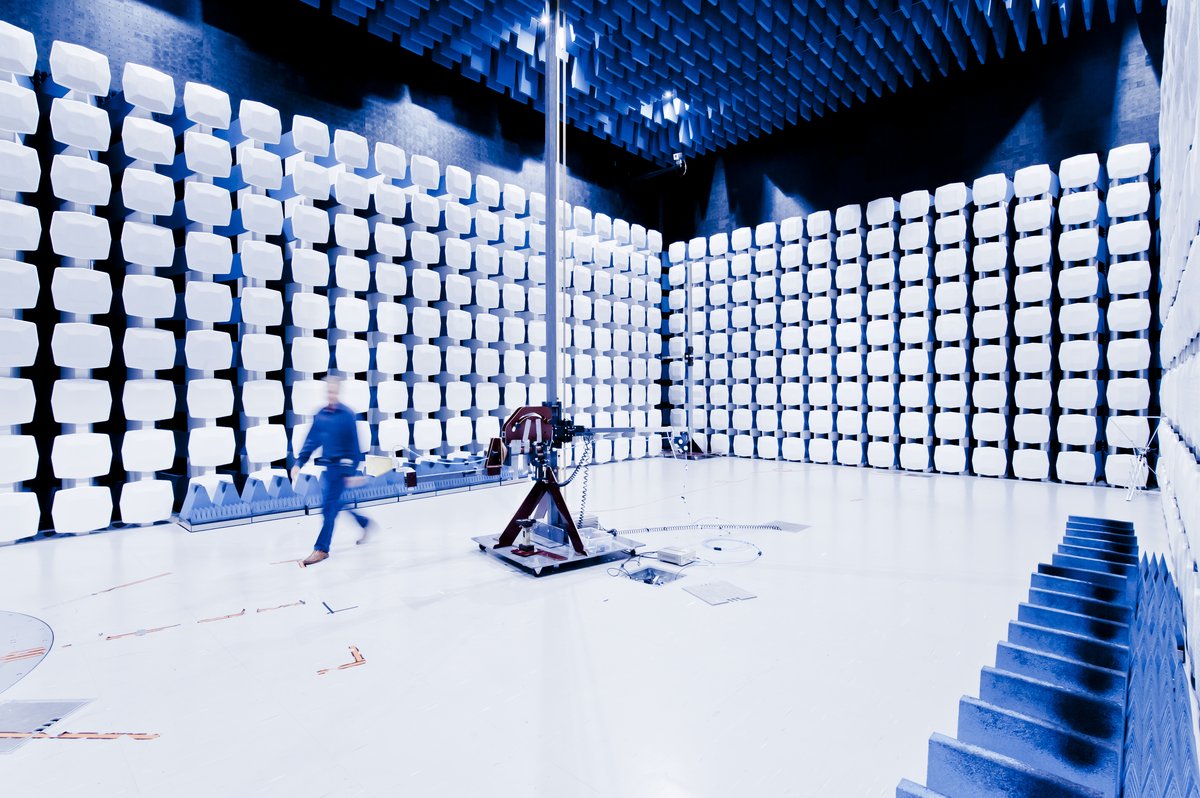
Deep Dive: Deciphering IEC 61000-4 EMC Testing Requirements
Project management consultants (PMC) from international engineering firms (such as Meinhardt, Aurecon, WSP, or Royal HaskoningDHV) routinely reject contractor material submissions that present generic CE self-declarations without accredited test certificates. An authentic industrial bidding submission requires verification under three fundamental standards:
1. IEC 61000-4-2: Electrostatic Discharge (ESD) Immunity
In air-conditioned server rooms and dry factory environments, electrostatic charge builds up on maintenance technicians. When a technician touches an RJ45 port or serial terminal block, human-body static discharges into the circuit. The standard specifies:
- Level 3: ±6kV contact discharge, ±8kV air discharge.
- Level 4 (Heavy Industrial / DeviceLab Standard): ±8kV contact discharge, ±15kV air discharge. Protection is achieved through discrete bi-directional transient voltage suppressor (TVS) diodes clamped to earth ground with sub-nanosecond response times.
2. IEC 61000-4-4: Electrical Fast Transient / Burst (EFT)
Whenever large contactors, motor starters, or induction heaters switch inductive loads, high-frequency voltage spikes (5kHz to 100kHz bursts) couple capacitively into adjacent control wiring. The standard requires gateways to operate without rebooting or packet loss under:
- Power Lines: ±2kV to ±4kV.
- Signal & Communication Lines: ±1kV to ±2kV. Achieved through common-mode chokes, ceramic feed-through capacitors, and shielded twisted-pair grounding.
3. IEC 61000-4-5: Surge Immunity
Induced lightning currents and substation switching transients inject massive high-energy pulses (1.2/50µs voltage, 8/20µs current waveforms). Level 3/4 compliance requires withstanding line-to-line surges of ±1kV to ±2kV and line-to-earth surges of ±2kV to ±4kV. DeviceLab gateways deploy gas discharge tubes (GDT) and high-power TVS networks to safely divert transient energy.
IEC 62443-4-2 Technical Compliance: Hardening OT Cybersecurity
Modern building management systems and factory OT networks are no longer physically air-gapped. IT/OT convergence exposes serial gateways to corporate ransomware, man-in-the-middle packet injection, and unauthorized parameter tampering. Tier-1 bidding specifications mandate adherence to IEC 62443-4-2 technical security requirements:
- Elimination of Clear-Text Protocols: Insecure legacy services (Telnet port 23, HTTP port 80, unauthenticated FTP) are permanently disabled in production firmware. All configuration interfaces mandate HTTPS (TLS 1.3) and SSH v2.
- Role-Based Access Control (RBAC): Enforces multi-level credential hierarchies (Administrator, Maintenance Engineer, Operator, Viewer) with mandatory password complexity and automatic account lockout after 5 consecutive failed attempts.
- Cryptographic Integrity & Secure Boot: Gateway firmware is digitally signed using asymmetric RSA-3072 / ECC keys. The internal hardware bootloader verifies signatures prior to execution, preventing rogue or compromised binary payloads from loading.
- Encrypted Telemetry Streaming: Direct cloud and server communications employ TLS 1.3 encrypted MQTT with mutual X.509 client certificate authentication (mTLS).
Proven 6-Step MAR / RFA Material Approval Dossier Workflow
To ensure 100% first-pass approval from project supervising consultants, DeviceLab recommends the following submission sequence:
- Step 1 — Technical Compliance Statement (TCS): Prepare a clause-by-clause compliance matrix contrasting project specifications against equipment parameters (Complied / Non-Complied / Exceeded).
- Step 2 — Independent Laboratory Test Reports: Attach official accredited test certificates (Quatest, Nemko, SGS) demonstrating IEC 61000-4-2/4/5 and electrical safety compliance.
- Step 3 — Factory Quality & Origin Documents: Provide ISO 9001:2015, ISO 14001:2015 manufacturing certificates, Certificate of Origin (CO), and Certificate of Quality (CQ).
- Step 4 — Physical Sample Inspection Board: Deliver a neat presentation board mounting the gateway, DIN-rail power supply, terminal wiring, and technical product brochure for consultant tactile inspection.
- Step 5 — Bench Pilot Demonstration (PoC): Execute a live bench test demonstrating concurrent Modbus RTU polling, simulated power dips, and SCADA connectivity.
- Step 6 — Manufacturer Warranty & Local Support Commitment: Provide an official manufacturer warranty commitment letter guaranteeing a 24-month replacement warranty and on-site engineering dispatch within 24 hours.
Project Case Study: Chiller Plant BMS Telemetry at Thu Thiem International Hospital
The Project: A state-of-the-art 500-bed international general hospital in Thu Thiem (Ho Chi Minh City). The M&E package required integrating 48 Modbus RTU power meters, VFD chillers, and secondary chilled water pumps into the central Siemens Desigo CC BMS platform over BACnet/IP.
The Problem: The initial M&E contractor submitted unbranded commercial gateways. The project management consultant rejected the MAR dossier twice due to unverified EMC test reports and lack of power isolation, halting payment milestones.
DeviceLab Intervention:
- DeviceLab supplied 24 units of DL-RS485-GW4 featuring 2.5kV optical isolation and Quatest 3 accredited test reports for IEC 61000-4-2/4/5.
- Compiled a 45-page comprehensive MAR submission package including full compliance matrix, Co/Cq, and warranty letters.
- Conducted a live 30-minute bench test verifying simultaneous Modbus RTU to BACnet/IP conversion with zero packet collision.
Outcome: The consultant signed and stamped the MAR dossier with "Approved as Submitted" within 48 hours. The chiller plant BMS was successfully commissioned ahead of hospital opening with zero communication faults.
Request Material Approval Dossier & Engineering Bidding Support
DeviceLab provides complete bidding documentation packages, sample evaluation boards, and accredited test reports for M&E contractors and system integrators across Vietnam:
- Hotline / Zalo: 0982.503.355
- Technical Email: hi@devicelab.vn
- R&D Laboratory: DeviceLab Industrial Electronics R&D Lab, Hanoi & Ho Chi Minh City, Vietnam.